
As water scarcity and pollution pressures intensify, membrane-based water treatment technology is emerging as a key solution.
Technological Breakthroughs: From Anti-Fouling to Low Energy Consumption
With their nanoscale separation capabilities, membrane technologies are establishing new purification “rules of the game” in industrial wastewater, municipal sewage, and seawater desalination. However, common bottlenecks such as fouling, membrane contamination, and frequent chemical cleaning – which reduce flux and shorten service life – remain industry-wide challenges. Anti-fouling, corrosion resistance, and low energy consumption have become the main focuses of technological innovation. Companies are actively developing new materials, including hydrophilic coatings, acid-resistant membranes, and high-desalination composite membranes, striving to reduce operating and maintenance costs while ensuring purification efficiency. Moreover, composite membrane integration, intelligent control, and process coupling optimization are driving membrane systems to upgrade from mere “treatment capability” to “efficient and low-carbon” performance.
Application Diversification: New Energy Sector Emerges as a Growth Engine
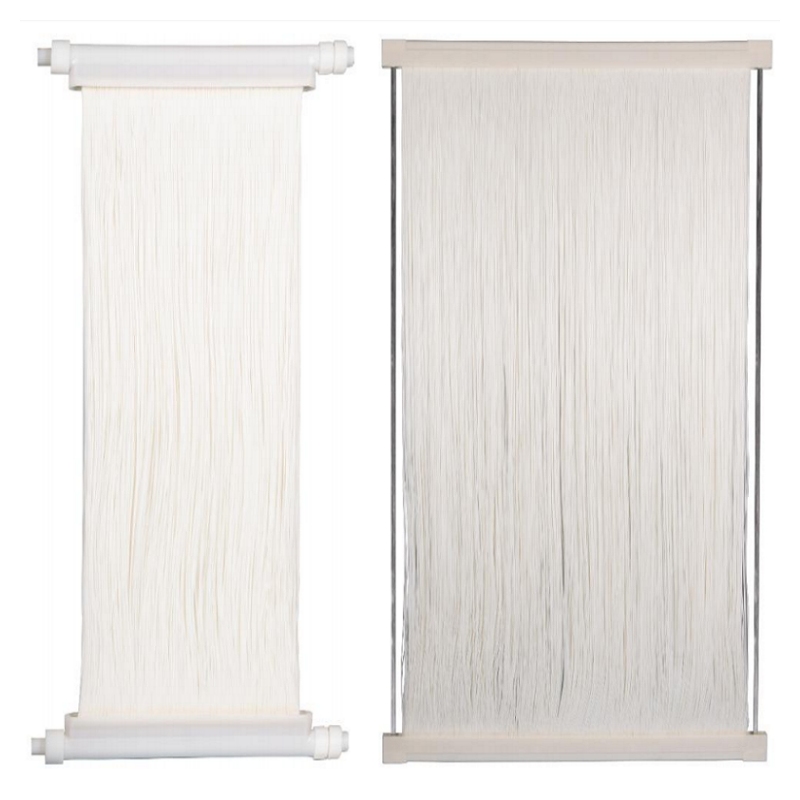
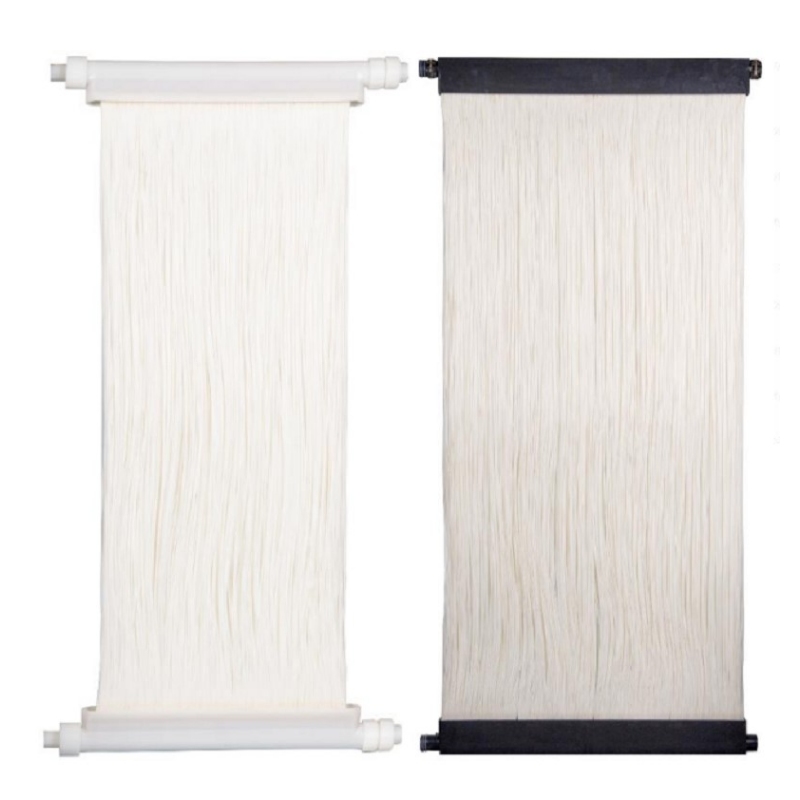
The application of water treatment membranes is showing a dual-track pattern: traditional sectors remain dominant, while emerging sectors are taking off rapidly. Municipal sewage, chemical, and power industries together account for more than 50% of the market. Meanwhile, new energy industries such as photovoltaics and lithium batteries are seeing surging demand for ultrapure water and high-precision separation. In 2024, the membrane treatment market in these two fields grew by 18% and 25%, respectively, and is expected to further accelerate to 20% and 28% in 2025. Novel products such as MBR membranes and electronic-grade release films have become market hotspots.
Driven by application segmentation, municipal projects are placing greater emphasis on energy saving and consumption reduction, chemical industries demand corrosion and fouling resistance, while semiconductor and pharmaceutical sectors pursue extreme purity. The adaptation of the industrial chain is accelerating, with resource recovery and high-value-added applications becoming new growth points.
Outlook: From Cost Competition to Value Leap
Membrane-based water treatment is at a critical juncture, transitioning from scale expansion to quality and efficiency. Future competition will no longer focus solely on price and capacity, but on new material R&D, adaptability to extreme operating conditions, intelligent system integration, and full life-cycle cost optimization.