
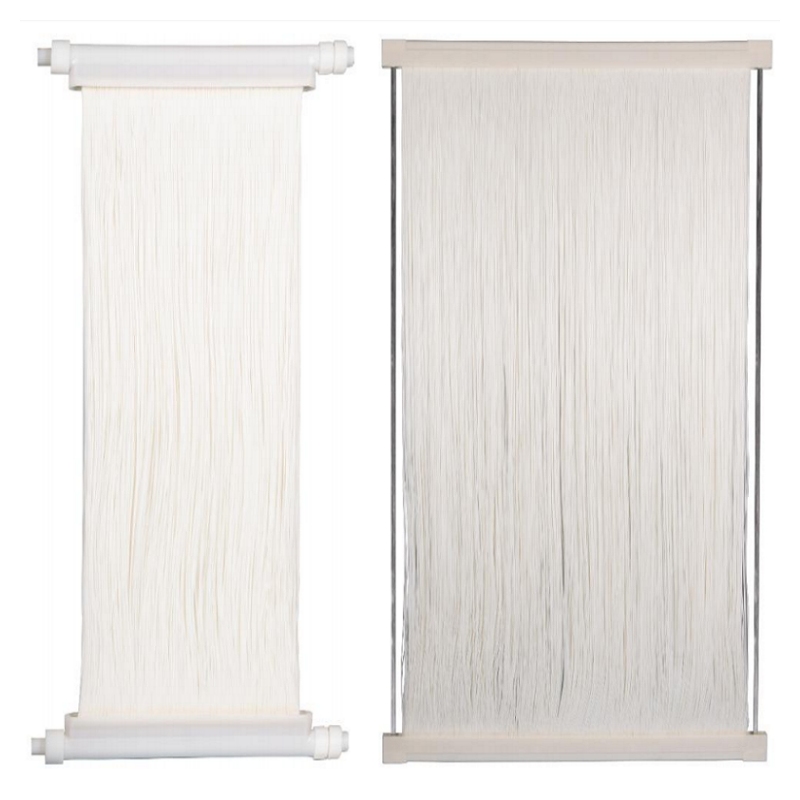
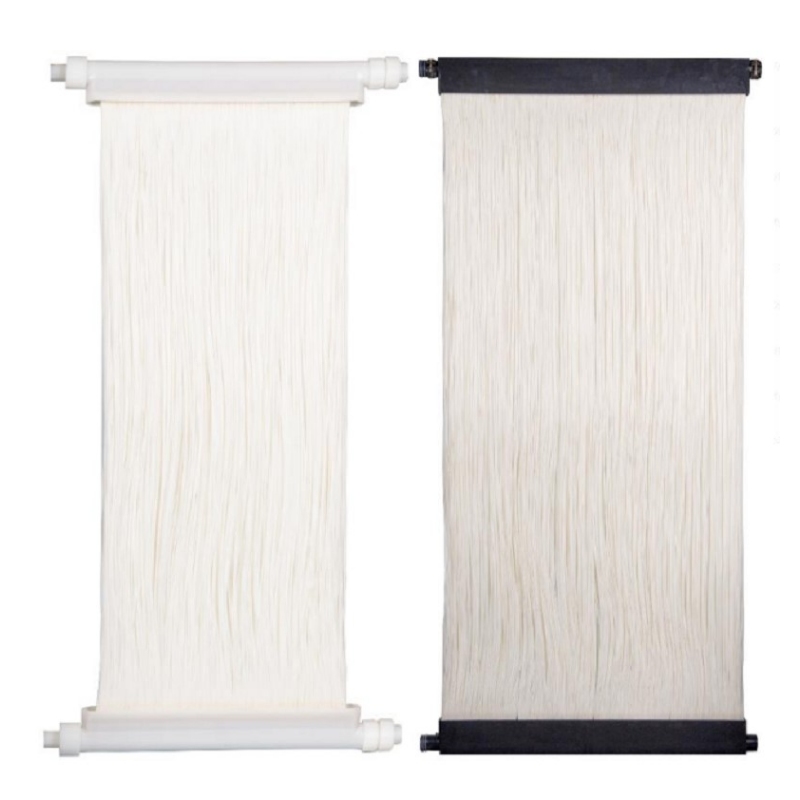
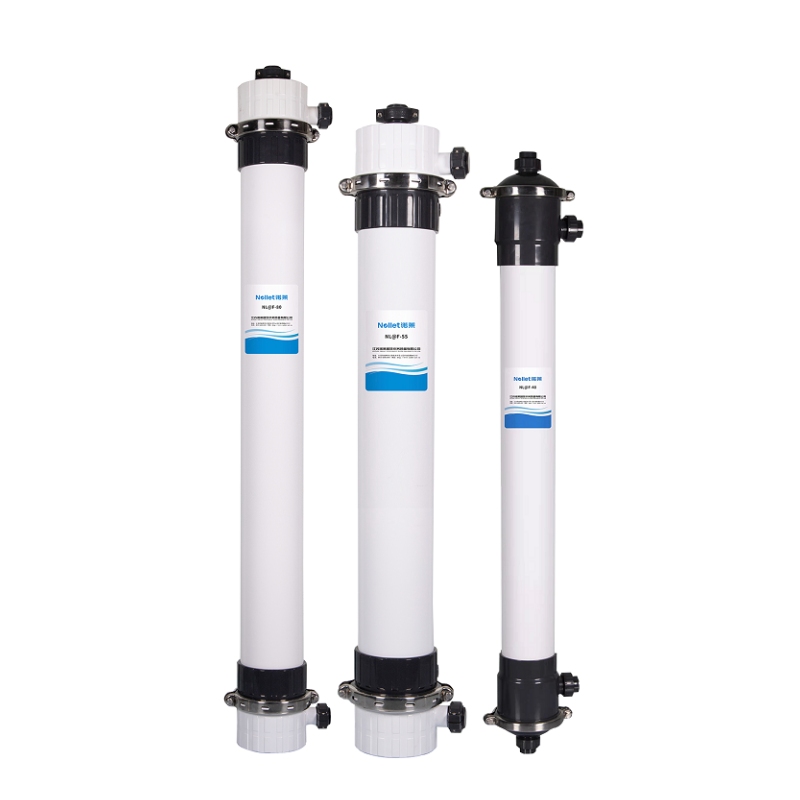
Your ultrafiltration membrane may not be failing. It may be signaling that operating conditions or fouling have changed. Flux decline is usually linked to one or more mechanisms, including concentration polarization, cake layer buildup, pore blocking, and irreversible adsorption. The right response depends on identifying the dominant cause. Diagnose the problem first, then choose the appropriate backwash, cleaning, or operating adjustment to recover flux and protect membrane life.
What Flux Decline Actually Tells You About Your Ultrafiltration Membrane
Flux is the volume of permeate that passes through a given membrane area per unit of time. When flux drops, resistance somewhere in the ultrafiltration membrane system has increased. The key question is where that resistance comes from.
Total filtration resistance can be viewed as a combination of intrinsic membrane resistance, reversible resistance associated with adsorption, irreversible resistance from pore blocking, and cake layer resistance. These mechanisms behave differently, so identifying the dominant one is essential before choosing a cleaning or operating response.
The First Thirty Minutes May Not Be Fouling
Here is something that can be overlooked during startup. The sharpest flux drop, which some studies report at around 22% to 24% within the first 30 minutes of operation, can be largely associated with concentration polarization rather than established fouling. Rejected solutes accumulate near the ultrafiltration membrane surface, increasing local concentration and reducing the effective driving force for filtration.
Concentration polarization develops quickly and is generally reversible. It can be influenced by crossflow velocity and transmembrane pressure. If a backwash or operating adjustment produces a rapid flux recovery, concentration polarization may be a major contributor. If flux remains low, more persistent fouling mechanisms such as pore blocking, adsorption, or cake layer buildup should be investigated.
When the Cake Layer Takes Over
As filtration continues, rejected material can accumulate on the ultrafiltration membrane surface and form a cake layer. This layer acts as an additional filtration barrier, and its resistance increases as the deposit becomes thicker or more compact.
The relative contribution of cake layer resistance can also change with operating pressure. Some studies report that cake resistance becomes increasingly dominant as transmembrane pressure rises, accounting for more than 73% of total resistance under certain higher-pressure conditions, compared with about 51% at lower pressure.
That shift matters for operation. Increasing transmembrane pressure does not necessarily compensate for a growing cake layer. In some conditions, it can increase deposition and compaction, adding resistance rather than restoring sustainable flux.
The Four Fouling Mechanisms and How to Tell Them Apart
Not all ultrafiltration membrane flux decline is the same. The dominant fouling mechanism determines the cleaning strategy.
| Symptom | Likely Dominant Mechanism | What It Means | First Response |
|---|---|---|---|
| Rapid drop in first 30 min, recovers on backwash | Concentration polarization | Solute accumulation at surface | Increase crossflow velocity, optimize TMP |
| Steady decline over hours, partially recovers on backwash | Cake layer formation | Particulate deposition on surface | Backwash with air scouring, optimize pretreatment |
| Gradual decline over days, poor backwash recovery | Pore blocking | Particles lodged inside pores | Chemical cleaning with appropriate agent |
| Irreversible loss, no recovery after cleaning | Adsorption or biofouling | Strong attachment to membrane material | Specialized cleaning, evaluate membrane condition |
Concentration Polarization: The Immediate Problem
Concentration polarization is a boundary layer phenomenon. Rejected macromolecules accumulate near the ultrafiltration membrane surface as permeate leaves while solutes remain in the feed stream. The concentration at the surface can become much higher than in the bulk stream.
The effect is generally reversible but can reduce filtration performance. Higher surface concentration increases osmotic pressure, reducing net driving pressure. Increased viscosity near the membrane can further restrict permeate flow.
The fix is primarily hydrodynamic rather than chemical. Higher crossflow velocity can scour the ultrafiltration membrane surface, while lower transmembrane pressure can reduce solute concentration at the membrane. Periodic backflushing or backshock can also disrupt the polarized layer before it develops into more persistent fouling.
Some membrane modification studies have reported increased flux and reduced flux decline by enhancing localized shear at the membrane surface. The principle is straightforward: disrupting the boundary layer can help control concentration polarization.
Cake Layer Fouling: The Predictable Enemy
The cake layer forms when particles too large to enter the pores accumulate on the ultrafiltration membrane surface. As the layer becomes thicker or more compact, it creates additional resistance to permeate flow.
Cake layer fouling is common in ultrafiltration and is generally manageable when detected early. Backwashing with permeate removes surface deposits, while air scouring can improve removal by disturbing accumulated material.
The key is frequency. If the cake layer becomes thick and compacted, backwash becomes less effective. Backwash intervals should therefore be adjusted according to feed-water quality, flux decline, operating conditions, and membrane manufacturer’s guidelines rather than following a fixed interval for every system.
Pore Blocking: When Particles Get Inside
Pore blocking occurs when particles or foulant molecules enter ultrafiltration membrane pores and become lodged inside. The pore pathway narrows, resistance increases, and permeate flow declines. Unlike cake layer fouling, pore blocking may not respond sufficiently to routine backwashing.
The mechanism depends on foulant size relative to membrane pore structure. Molecular weight cut-off values such as 100 kDa and 10 kDa describe separation characteristics, but they should not be treated as direct measurements of pore diameter.
Chemical cleaning may be required when internal fouling persists. Organic foulants may respond to alkaline cleaners, while inorganic scaling is generally addressed with acid cleaners. Proteins and other specific foulants may require enzymatic or surfactant-based cleaners.
Adsorption and Biofouling: The Irreversible Problem
Adsorption is the attachment of dissolved molecules to the ultrafiltration membrane surface or pore walls through physical or chemical interactions. Biofouling involves microorganisms attaching to the membrane and producing extracellular polymeric substances that contribute to persistent fouling.
These mechanisms can be difficult to reverse. Cleaning may restore partial flux, but repeated adsorption and biofouling can reduce baseline permeability over time. When cleaning no longer restores acceptable performance, membrane condition and replacement economics should be evaluated.
How to Diagnose Your Specific Flux Decline
Before ordering cleaning chemicals, spend thirty minutes on basic diagnostics. The data you collect helps determine the appropriate response.
Step One: Measure the Baseline
Record the clean water flux of the ultrafiltration membrane when new. This is your reference point. Without it, you have no reliable way to quantify performance loss.
Measure clean water flux after each cleaning cycle, not just after installation. This shows whether your cleaning protocol is restoring performance or whether the membrane’s baseline flux is gradually declining.
Step Two: Perform a Backwash Recovery Test
Measure flux before backwash. Backwash according to your standard protocol, then measure flux immediately afterward. Calculate the recovery percentage.
A recovery above 90% generally indicates that concentration polarization or light cake layer fouling may be contributing significantly. Your backwash protocol is likely addressing the main reversible resistance.
A recovery between 70% and 90% may indicate a thicker or more compacted cake layer. Consider adjusting backwash frequency or adding air scouring.
A recovery below 70% can indicate pore blocking, adsorption, or biofouling. Further diagnosis and, where appropriate, chemical cleaning may be required.
Step Three: Analyze the Feed Water
You cannot control fouling without knowing what is causing it. Analyze your feed water for:
- Suspended solids and turbidity
- Organic content (TOC, COD, UV254)
- Biological activity (heterotrophic plate count)
- Specific foulants relevant to your process—proteins in food processing, humic substances in surface water, and scaling minerals in groundwater
Research on ultrafiltration of lignocellulosic hydrolysis liquor has found that surface contamination can have a greater impact on flux decline than internal pore contamination. Identifying what accumulates on the ultrafiltration membrane can therefore help determine the right fouling-control strategy.
Cleaning Strategies That Actually Restore Flux
Cleaning is not a single action. It is a sequence, and the sequence matters as much as the chemicals.
Backwash: The First Line of Defense
Backwash reverses flow through the ultrafiltration membrane, lifting deposited material from the surface and flushing it out of the module. Done correctly, it helps maintain stable operation over extended periods.
Key parameters:
- Frequency: based on membrane type, feed quality, and operating conditions
- Duration: typically 1–2 minutes, optimized for the specific system
- Medium: permeate is generally preferred over raw feed water
- Air scouring: adding air during backwash can improve cake removal
Studies of seawater ultrafiltration have found that air-assisted backwash can improve fouling control compared with conventional backwash, although the optimal frequency depends on the system.
Chemical Enhanced Backwash: The Weekly Reset
Chemical enhanced backwash combines backwash with low-dose cleaning chemicals. It is less aggressive than full cleaning-in-place but more thorough than plain backwash.
CEB frequency should be determined by flux decline, feed-water quality, and membrane manufacturer’s recommendations. Alkaline cleaning is commonly used for organic foulants and biofilms, while acid cleaning targets mineral scale.
Cleaning-In-Place: The Deep Clean
When backwash and CEB no longer restore sufficient flux, cleaning-in-place may be required. This involves circulating a cleaning solution through the ultrafiltration membrane module under controlled conditions.
The cleaning agent depends on the foulant:
Alkaline cleaners (NaOH, typically 0.1–1.0%) can remove organic foulants, proteins, and biofilms. The appropriate concentration and exposure time depend on membrane material and manufacturer limits.
Acid cleaners (citric acid, oxalic acid, HCl) are commonly used for mineral scale, including calcium carbonate and metal oxides.
Oxidizing agents (such as sodium hypochlorite) can oxidize organic matter and control microorganisms, but concentration and exposure time must be controlled to protect membrane integrity.
Surfactants and enzymes can help break down fats, oils, and protein deposits that resist conventional alkaline or acid cleaning.
Cleaning chemistry should always be selected according to the identified foulant and the ultrafiltration membrane manufacturer’s chemical compatibility requirements.
Ultrasonic-Assisted Cleaning: The Emerging Option
Ultrasound adds mechanical energy to the cleaning process. Acoustic cavitation generates microscopic bubbles near the membrane surface, helping dislodge accumulated foulants.
Research on hollow fiber ultrafiltration membranes has reported partial flux recovery from ultrasound-assisted cleaning, with stronger recovery when ultrasound is combined with chemical cleaning. The mechanical action can loosen foulant structures and improve chemical access.
Ultrasound is not a universal replacement for chemical cleaning, but it may help reduce cleaning intensity or improve foulant removal in specific applications. The main consideration is power intensity, as excessive ultrasonic energy can damage membrane integrity.
Preventing Flux Decline Before It Starts
Cleaning is reactive. Prevention is proactive. The most cost-effective flux management strategy is to avoid severe fouling in the first place.
Pretreatment Is Not Optional
One of the most effective ways to slow flux decline is to remove foulants before they reach the ultrafiltration membrane. Depending on feed-water quality, pretreatment may include:
- Coagulation and flocculation to aggregate small particles
- Media filtration to remove suspended solids
- Cartridge filtration as a safety barrier
- pH adjustment to support foulant removal
Pretreatment reduces the fouling load on the membrane and can extend the interval between cleanings. The actual cost benefit depends on feed quality, pretreatment requirements, cleaning frequency, and membrane service life.
Optimize Operating Parameters
Transmembrane pressure is not a free variable. Higher TMP increases driving force, but it can also increase foulant deposition at the membrane surface. Beyond the limiting flux, increasing pressure may produce little additional permeate while accelerating cake formation.
Crossflow velocity can have the opposite effect. Higher velocity increases surface shear, helping reduce concentration polarization and cake buildup. However, the energy cost of higher velocity must be balanced against cleaning requirements and production losses caused by fouling.
Studies of ultrafiltration under different operating conditions have shown that flux can approach a stable level within a relatively short period, highlighting the influence of TMP, crossflow velocity, and feed characteristics on flux behavior.
Consider Membrane Material and Surface Modification
Membrane surface properties can affect fouling tendency and flux recovery. Hydrophilic surfaces generally have lower affinity for some foulants than hydrophobic surfaces, although actual performance depends on membrane chemistry, feed composition, and operating conditions.
Surface modification is an active area of research. Plasma treatment, surface patterning, and nanoparticle incorporation have shown potential for reducing fouling and improving flux recovery. Results vary by membrane material and application, so modified ultrafiltration membranes should be evaluated under relevant operating conditions.
When Cleaning No Longer Works
There comes a point when cleaning restores less and less flux. Persistent fouling or membrane deterioration may prevent the ultrafiltration membrane from returning to its original performance. How do you know when to replace?
The Decision Point
When clean water flux after a full cleaning-in-place cycle falls substantially below the original baseline, the ultrafiltration membrane may be approaching the end of its useful life. Further decline can make replacement more economical than continued cleaning, depending on operating costs and membrane condition.
Consider the total cost: cleaning chemicals, labor, downtime, and the energy required to operate at reduced flux. An ultrafiltration membrane that requires increasingly frequent cleaning while producing less permeate may no longer be economical to keep in service.
For large installations, replacement cost can be high. The decision should compare continued cleaning and reduced production costs with the cost of a new membrane system. Delaying replacement is not necessarily a saving if declining membrane performance continues to increase operating costs.
What to Do with the Old Membrane
Options include disposal according to local regulations, recycling where suitable facilities exist, and, in some cases, rehabilitation for less demanding applications. Research on chemo-ultrasonic rehabilitation of end-of-life membranes has explored combining chemical cleaning with ultrasound for lower-specification reuse. This approach may support membrane sustainability, although practical application depends on membrane condition and process requirements.
Common Flux Decline Scenarios
Municipal Water Treatment
A municipal water treatment system using pressurized ultrafiltration membranes for surface water may experience steady flux decline despite regular backwashing. Seasonal increases in turbidity can increase the fouling load and require shorter backwash intervals. Adjusting backwash frequency and adding an appropriate CEB protocol can help maintain stable operation and delay unnecessary ultrafiltration membrane replacement.
Food and Beverage Processing
Food and beverage applications can experience rapid flux decline when protein-rich feed streams form persistent deposits on the membrane. If conventional alkaline cleaning provides incomplete recovery, a surfactant-based or other foulant-specific cleaning step may improve removal. The cleaning sequence should match the identified foulant and the ultrafiltration membrane manufacturer’s chemical compatibility limits.
Industrial Wastewater
Industrial wastewater can cause persistent flux loss when emulsified oils or other organic compounds adsorb strongly to the membrane. Improving upstream coagulation or other pretreatment can reduce the foulant load reaching the ultrafiltration membrane. Lower fouling load can reduce cleaning frequency and help extend membrane service life.
A Practical Flux Recovery Checklist
When flux drops, work through this sequence before escalating to aggressive cleaning.
First 24 hours:
- Verify that feed water quality has not changed
- Check backwash parameters—frequency, duration, and flow rate
- Perform a backwash recovery test to quantify reversible fouling
- Inspect mechanical issues such as air leaks, valve failures, and pump performance
If recovery is below the normal operating range:
- Review the CEB protocol and chemical concentrations
- Analyze feed water for specific foulants
- Check cleaning solution temperature and contact time
If recovery remains low after optimized CEB:
- Perform cleaning-in-place with chemistry appropriate for the identified foulant
- Consider ultrasonic assistance for heavily fouled ultrafiltration membranes
- Verify cleaning solution pH, temperature, and circulation velocity
If recovery remains poor after CIP:
- Evaluate membrane age and cumulative cleaning cycles
- Compare replacement cost with continued cleaning and lost production
- Plan replacement and address the root causes before installing new membranes
Conclusion: Flux Decline Is a Message, Not a Failure
Ultrafiltration membrane flux decline does not always mean the membrane has failed. It often points to a fouling or operating issue that needs attention. Concentration polarization may call for hydrodynamic adjustment, while cake layer fouling, pore blocking, adsorption, and biofouling require different cleaning or pretreatment strategies.
Diagnose first, clean second, and replace the membrane when performance and operating costs justify it. Start with a backwash recovery test, then analyze feed water and match the cleaning approach to the identified foulant. If flux remains difficult to recover, reviewing the membrane type and replacement options with an experienced UF membrane supplier can help prevent the same problem from recurring.