
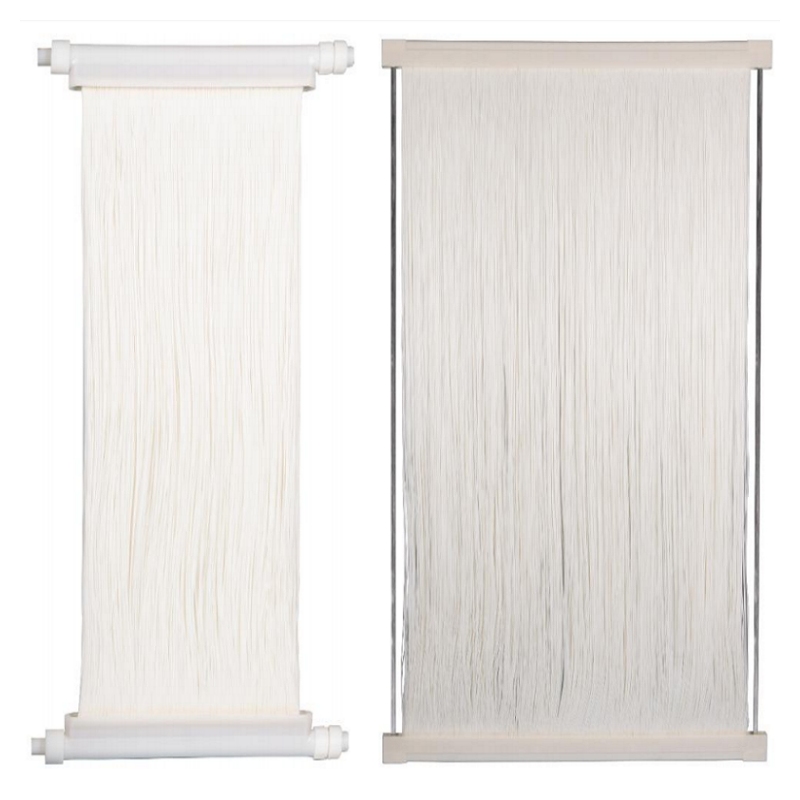

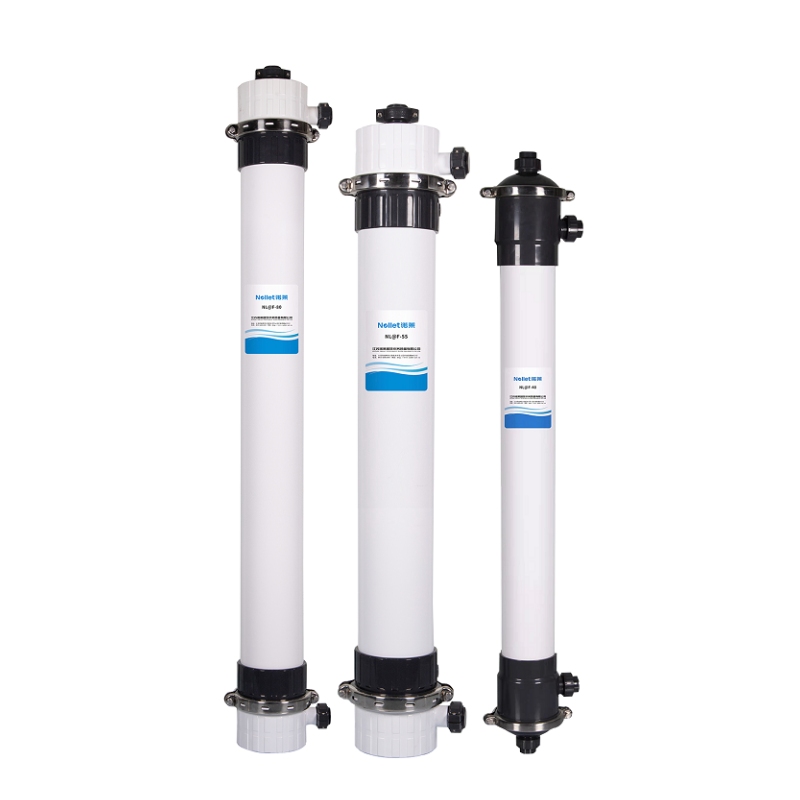
Clean drinking water is something many people assume will always be there. Turn on the tap, fill a glass, and drink without hesitation. In daily life, water feels simple and reliable. Yet the more we learn about water sources, infrastructure, and environmental change, the more that assumption begins to feel fragile.
This is where drinking water purification equipment enters the conversation—not as a luxury product, but as a response to growing uncertainty. The real question is not whether purification equipment exists, but whether it has quietly become a necessity in modern life.
Is Tap Water Always as Clean as We Think?
In many regions, tap water meets basic safety standards. It is treated, disinfected, and monitored. However, “safe” does not always mean “clean” in the way people expect. Water can legally contain trace levels of chlorine, heavy metals, sediments, or residual by-products from treatment processes.
More importantly, water quality does not remain constant from the treatment plant to the kitchen faucet. Aging pipelines, building storage tanks, and regional differences all influence what finally comes out of the tap. Even in developed cities, the journey water takes can introduce contaminants that were never intended to be there.
This gap between regulatory standards and real-world conditions is one of the main reasons people begin to question whether tap water alone is enough.
What Is Drinking Water Purification Equipment Actually Doing?
Drinking water purification equipment is often misunderstood as a single-purpose device that “cleans” water in a vague way. In reality, purification is a layered process. Different systems are designed to target different issues, depending on local water conditions.
At its core, purification equipment works by removing, reducing, or neutralizing unwanted substances in water. These may include physical particles, chemical residues, microorganisms, or unpleasant tastes and odors. No single technology addresses everything, which is why many systems combine multiple stages.
Rather than changing water into something artificial, purification equipment is designed to restore water closer to a natural, drinkable state—without the elements that compromise safety or comfort.
Why Has Interest in Water Purification Increased So Quickly?
The growing popularity of drinking water purification equipment is not driven by fear alone. It reflects broader changes in how people think about health, environment, and control over daily resources.
Several factors contribute to this shift:
-
Increased awareness of water pollution and environmental stress
-
Aging urban infrastructure in many parts of the world
-
Rising preference for home-based solutions over bottled water
-
Greater focus on long-term health and preventive habits
Together, these factors create a mindset where relying solely on external systems feels less sufficient than it once did.
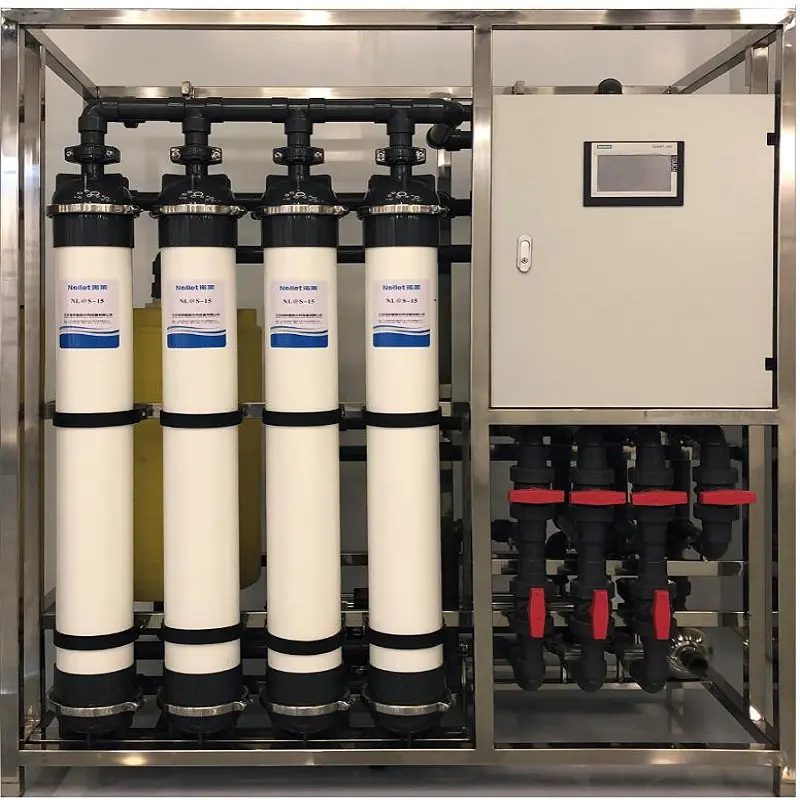
Can Purification Equipment Replace Bottled Water?
For many households, bottled water used to feel like the safest alternative. Over time, however, concerns about plastic waste, transportation emissions, and long-term cost have changed that perception.
Drinking water purification equipment offers a different model. Instead of importing water in disposable containers, it treats water at the point of use. This approach reduces dependency on packaging and allows people to drink purified water on demand.
While not every system produces identical results, modern purification equipment can often meet or exceed the quality people expect from bottled water—without the ongoing environmental burden.
How Do Different Purification Technologies Compare?
Understanding purification equipment becomes easier when comparing common approaches rather than memorizing technical terms.
| Aspect | Basic Filtration | Advanced Purification Equipment |
|---|---|---|
| Main Function | Removes visible particles | Targets chemicals, microbes, and odors |
| Water Taste | Slight improvement | Noticeable clarity and freshness |
| Maintenance | Simple filter replacement | Multi-stage system care |
| Application | Low-risk water sources | Variable or uncertain water quality |
| Long-Term Value | Limited | Higher consistency and control |
This comparison highlights why many people move beyond simple filters once they start paying attention to water quality more seriously.
Is Drinking Water Purification Equipment Only for Problem Areas?
A common misconception is that purification equipment is only necessary in regions with poor water infrastructure. In reality, usage patterns show the opposite. Many users live in areas with regulated water systems but still choose purification for peace of mind and consistency.
Water quality can fluctuate due to seasonal changes, construction work, or environmental events. Purification equipment acts as a buffer against these variables, ensuring that water quality remains stable regardless of external conditions.
In this sense, purification is less about solving a crisis and more about managing uncertainty.
What Should People Consider Before Choosing a System?
Choosing drinking water purification equipment is not about buying the most complex device available. It starts with understanding local water conditions and personal priorities.
Key considerations often include:
-
Known contaminants or common issues in local water
-
Household size and daily water consumption
-
Maintenance requirements and replacement cycles
-
Balance between performance, cost, and convenience
A well-matched system performs quietly in the background, becoming part of the daily routine rather than a constant concern.
Is Water Purification About Safety or Control?
At a deeper level, interest in drinking water purification equipment reflects a desire for control over something fundamental. Water is consumed every day, in large quantities, over a lifetime. Small differences accumulate.
Purification equipment does not suggest that existing systems are failing. Instead, it acknowledges that centralized solutions cannot address every local variable. By treating water closer to the point of use, people regain a degree of autonomy over quality.
That sense of control is often what turns initial curiosity into long-term adoption.
So, Do We Really Need It?
The answer depends less on fear and more on perspective. For those who are comfortable relying entirely on municipal systems, purification equipment may feel unnecessary. For others, it represents a practical step toward consistency, confidence, and sustainability.
Drinking water purification equipment is not about distrusting water—it is about understanding it. As awareness grows, purification is becoming less of an optional upgrade and more of a quiet standard in households that value long-term well-being.
In that sense, the question is no longer whether purification equipment is useful, but whether modern life has reached a point where clean water deserves the same attention as clean air and safe food.