


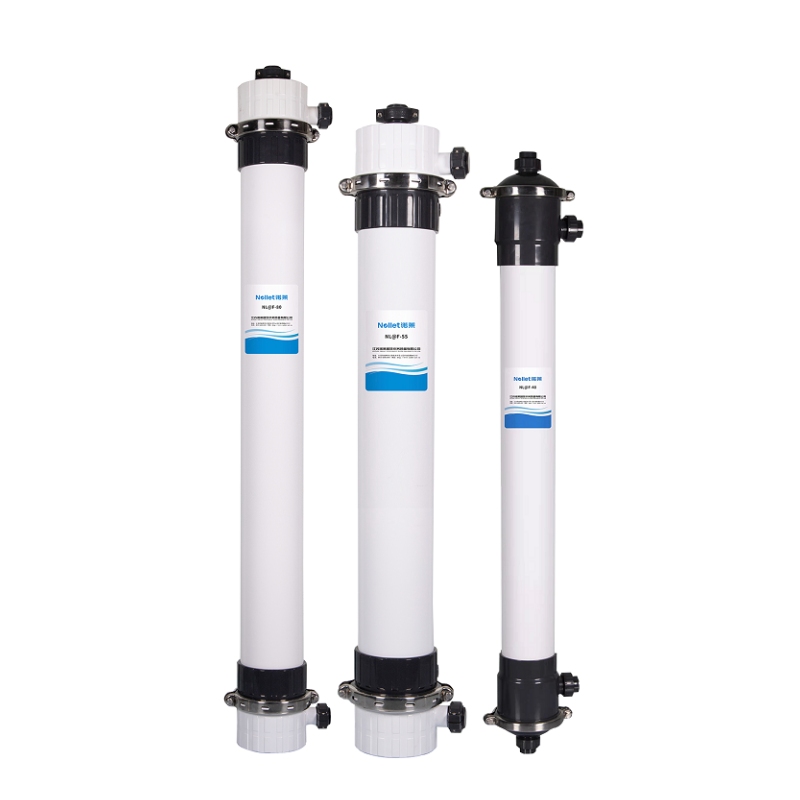
Drinking water purification equipment is often evaluated based on its output quality, treatment capacity, or compliance with standards. In real-world operation, however, the long-term performance of any water purification system depends far more on how it is maintained than on how it looks on paper. Filters clog, membranes foul, valves age, sensors drift, and control systems respond to real water conditions in ways that no specification sheet can fully predict.
Maintenance is not a secondary task in drinking water purification. It is the mechanism that keeps treatment performance stable, protects public health, and extends the service life of costly equipment.
Why Maintenance Defines Water Purification Performance
Water purification systems operate continuously under variable conditions. Raw water quality changes with seasons, rainfall, industrial activity, and upstream infrastructure. Even the most advanced purification equipment is exposed to suspended solids, dissolved minerals, microorganisms, and chemical residues daily.
Without proper maintenance, small inefficiencies accumulate. Pressure drops increase, flow rates decline, energy consumption rises, and treatment effectiveness gradually deteriorates. In many cases, operators only notice the problem when water quality indicators begin to drift or when unplanned shutdowns occur.
Effective maintenance prevents these issues long before they become visible.
Core Components That Require Regular Attention
Pretreatment Units
Pretreatment is the first line of defense in drinking water purification equipment. Screens, sediment filters, and multimedia filters protect downstream components from excessive loading.
When pretreatment units are neglected, fine particles pass through and accelerate fouling in membranes or adsorption media. Regular backwashing, media inspection, and differential pressure monitoring are essential to keep pretreatment functioning as designed.
Filtration and Membrane Systems
Filtration systems—whether based on activated carbon, ultrafiltration, nanofiltration, or reverse osmosis—are highly sensitive to maintenance practices.
Membrane fouling is one of the most common operational challenges. It reduces permeability, increases operating pressure, and shortens membrane lifespan. Scheduled cleaning-in-place procedures, correct chemical dosing, and timely membrane replacement are critical to maintaining stable output.
Ignoring early signs of fouling often results in irreversible damage and significantly higher replacement costs.
Disinfection Equipment
Disinfection systems such as UV reactors, chlorination units, or ozone generators play a decisive role in ensuring microbiological safety.
UV lamps lose intensity over time, even if they remain illuminated. Quartz sleeves accumulate scale and biofilm. Chlorine dosing systems rely on accurate pumps and sensors to maintain proper residual levels. Routine inspection, calibration, and component replacement are necessary to prevent under- or over-disinfection.
Common Maintenance Challenges in Drinking Water Systems
Inconsistent Raw Water Quality
One of the most underestimated challenges in maintenance planning is variability in raw water quality. Systems designed for average conditions often struggle during peak turbidity or contamination events.
Maintenance strategies must be flexible enough to respond to these fluctuations, including more frequent filter cleaning, adjusted chemical dosing, and closer monitoring during seasonal changes.
Sensor Drift and Control Errors
Modern drinking water purification equipment relies heavily on sensors for pressure, flow, conductivity, turbidity, and disinfectant levels. Over time, sensors drift due to fouling, aging, or calibration loss.
Unchecked sensor inaccuracies lead to incorrect control decisions, inefficient operation, and potential compliance risks. Regular calibration and validation of sensors are essential components of any maintenance program.
Deferred Maintenance Due to Cost Pressure
In some facilities, maintenance is postponed to reduce short-term operational expenses. This approach almost always backfires. Deferred maintenance leads to emergency repairs, production interruptions, and accelerated equipment degradation.
Planned maintenance spreads costs predictably and protects both equipment investment and water quality reliability.
Preventive Maintenance vs Reactive Repairs
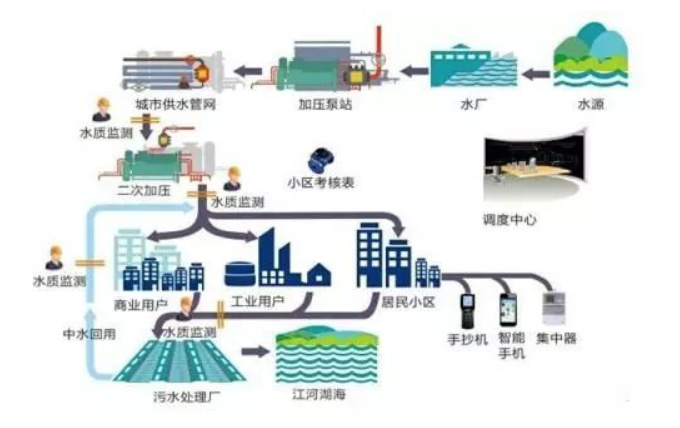
Reactive maintenance focuses on fixing problems after they occur. Preventive maintenance aims to prevent those problems in the first place. In drinking water purification, the difference is substantial.
Preventive maintenance includes routine inspections, scheduled component replacement, performance trend analysis, and early intervention. Reactive repairs often involve unplanned downtime, rushed decision-making, and higher labor and spare-part costs.
Facilities that prioritize preventive maintenance consistently achieve higher system availability and lower total lifecycle costs.
Maintenance Planning for Long-Term Operation
Effective maintenance starts with realistic planning. Equipment manuals provide baseline guidance, but real operating conditions should shape final maintenance schedules.
Maintenance plans should account for:
-
Actual operating hours rather than calendar time alone
-
Historical performance data and failure patterns
-
Water quality trends and seasonal variations
-
Availability of spare parts and technical support
A well-documented maintenance plan transforms daily operation from reactive troubleshooting into controlled system management.
Training and Human Factors in Equipment Maintenance
Even the best-designed drinking water purification equipment depends on skilled operators. Maintenance errors—incorrect chemical concentrations, improper cleaning procedures, or skipped inspections—can undermine system performance just as quickly as mechanical failures.
Regular training ensures that operators understand not only how to perform maintenance tasks, but why those tasks matter. When personnel recognize early warning signs, issues are addressed before escalating into serious problems.
Spare Parts Management and Downtime Prevention
Availability of critical spare parts directly affects maintenance efficiency. Filters, membranes, seals, valves, sensors, and electronic components all have finite service lives.
Maintaining an organized spare parts inventory reduces downtime and prevents prolonged system outages. For essential drinking water facilities, redundancy and spare availability are not optional safeguards but operational necessities.
Maintenance as a Quality Assurance Tool
In drinking water purification, maintenance is inseparable from quality assurance. Stable water quality results from stable system conditions, which only exist when equipment is properly maintained.
Maintenance records provide traceability, support regulatory compliance, and demonstrate operational responsibility. They also help identify recurring issues and guide future equipment upgrades or process improvements.
Designing Maintenance-Friendly Purification Systems
From an engineering perspective, maintenance should be considered during equipment selection, not after installation. Systems with accessible components, standardized parts, and clear diagnostic interfaces reduce maintenance complexity and error rates.
Choosing maintenance-friendly drinking water purification equipment lowers long-term operational risk and improves overall system resilience.
Drinking water purification equipment does not fail suddenly. Performance declines gradually when maintenance is overlooked and remains stable when maintenance is prioritized.
The most reliable systems are not those with the most advanced technology alone, but those supported by consistent inspection, informed operators, and proactive maintenance strategies. In the context of drinking water, maintenance is not just about protecting equipment—it is about protecting public health and operational trust.