
The Evolving Role of Submerged Membrane Technology in Modern Water Treatment
Global water scarcity and tightening discharge standards have redefined the requirements for reliable, high-efficiency water treatment solutions. Conventional processes like sedimentation, sand filtration, and activated sludge systems often struggle to meet current demands for consistent effluent quality, compact footprint, and low operational cost. In this landscape, the submerged membrane module has emerged as a transformative technology, offering distinct advantages over pressurized membrane systems and traditional treatment methods.
A submerged membrane module is a self-contained filtration unit fully immersed directly within the water or wastewater tank, using low-pressure suction or gravity to drive clean water through membrane pores while retaining suspended solids, bacteria, colloids, and organic contaminants. Unlike pressurized systems housed in sealed vessels, this design operates at near-atmospheric pressure, reduces energy consumption, and improves tolerance to high solids loading. As water treatment projects shift toward reuse, decentralization, and retrofitting, the submerged membrane module has become the preferred choice for engineers and operators seeking stable performance and long-term value.
Across municipal drinking water production, industrial wastewater recycling, MBR (Membrane Bioreactor) systems, and leachate treatment, the technology consistently outperforms alternatives in challenging conditions. This article explores the core working principles, key advantages, targeted application scenarios, and economic benefits of the submerged membrane module, supported by real-world data and comparative analysis to highlight where it delivers truly superior results.
Core Working Principles of a Submerged Membrane Module
Understanding the design and operation of a submerged membrane module is essential to recognizing its performance benefits. The technology combines physical filtration with optimized hydraulic and aeration systems to maximize efficiency while minimizing fouling—one of the biggest challenges in membrane-based treatment.
-
Basic Filtration Mechanism
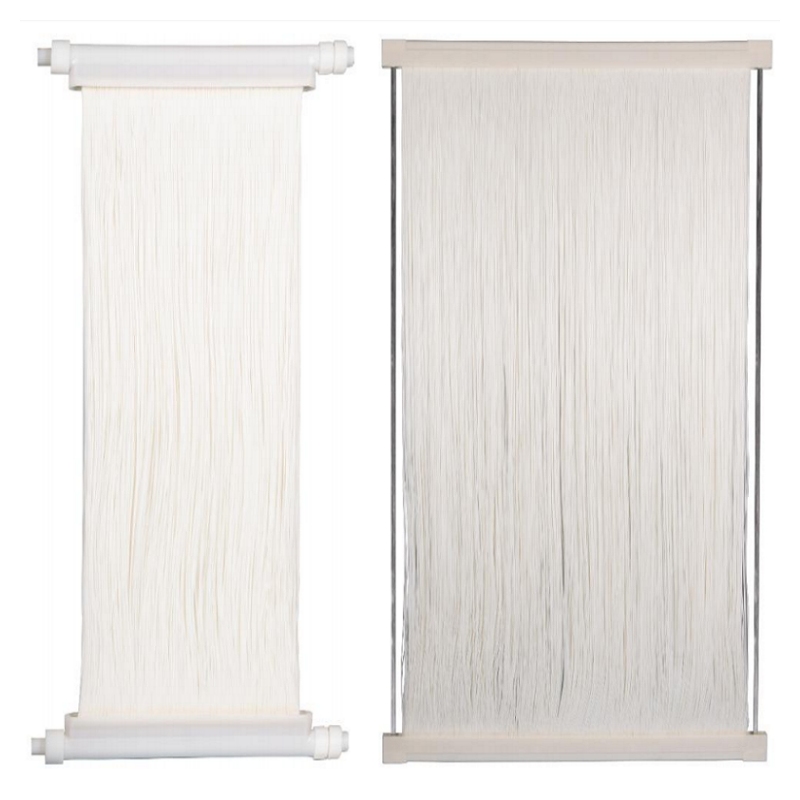
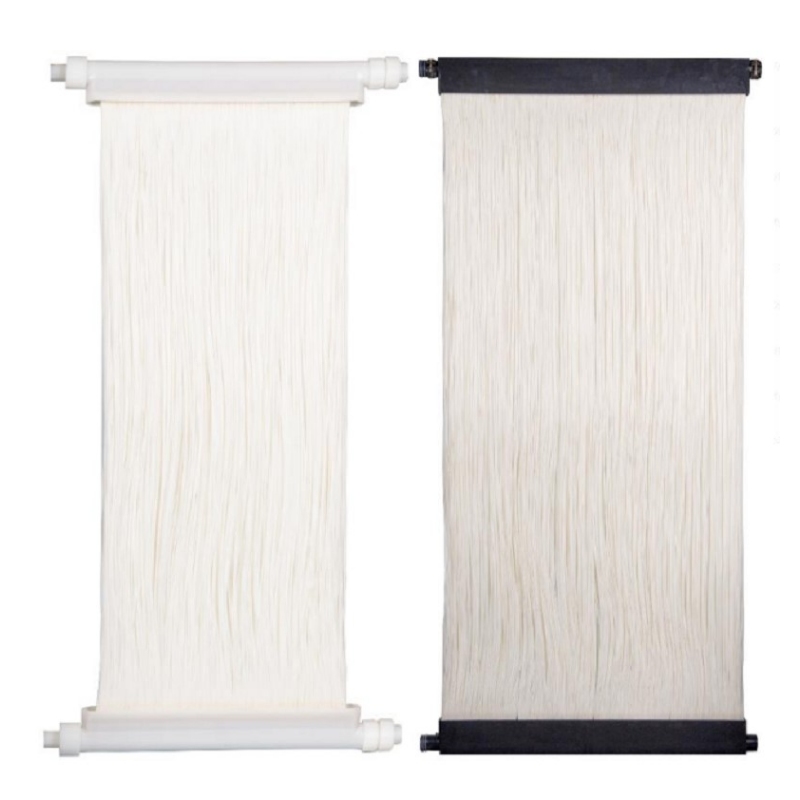
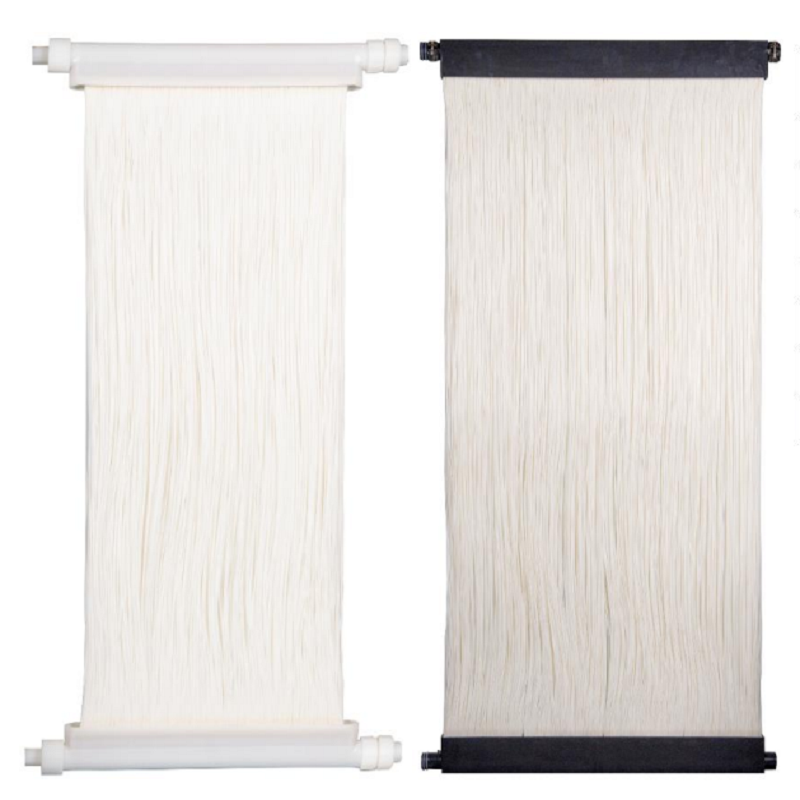
The submerged membrane module is installed directly in the treatment tank, with hollow-fiber or flat-sheet membrane elements arranged in a curtain-like or panel configuration. A low-power suction pump creates a slight vacuum, pulling treated water through the membrane’s micro- or ultra-filtration pores (typically 0.02–0.4 μm). Suspended solids, microorganisms, oil droplets, and large organic molecules are rejected and remain in the bulk liquid, while permeate water meets strict quality standards for discharge or reuse.
This direct immersion eliminates the need for complex pressure vessels and high-pressure feed pumps, cutting both capital expenditure and energy use. Most PVDF submerged membrane module for MBR wastewater treatment units use PVDF (polyvinylidene fluoride) as the membrane material, chosen for its exceptional chemical resistance, mechanical strength, and fouling resistance.
-
Fouling Control Through Optimized Aeration
Fouling is the primary factor affecting membrane performance and lifespan. The submerged membrane module addresses this with a dedicated coarse-bubble aeration system located beneath the membrane elements. Rising air bubbles create cross-flow shear across the membrane surface, dislodging accumulated solids and preventing cake layer formation.
This air scouring design maintains stable transmembrane pressure (TMP) and extends operational cycles between cleanings. Advanced models feature uniform air distribution to reduce dead zones, while some high-efficiency units cut energy use for aeration by up to 35% compared to conventional submerged membrane setups. The low-fouling design is central to the low-fouling submerged membrane module for industrial water reuse, which handles high-organic industrial streams without rapid performance decline.
Key Performance Advantages of Submerged Membrane Modules
The submerged membrane module outshines both traditional treatment processes and pressurized membrane systems in several critical metrics, making it ideal for space-constrained, high-load, or retrofit projects.
-
Exceptional Effluent Quality
Membrane filtration delivers far more consistent water quality than sedimentation or media filtration. Submerged membrane systems typically achieve >99% removal of suspended solids, 90%+ COD reduction, and complete removal of bacteria and most viruses. Effluent turbidity regularly falls below 0.1 NTU, meeting drinking water standards and protecting downstream RO (reverse osmosis) systems from fouling.
In municipal applications, the compact submerged membrane module for municipal drinking water produces stable potable water from surface water sources, even during algal blooms or stormwater runoff events that disrupt conventional plants. For wastewater, effluent quality meets strict reuse standards for irrigation, industrial process water, or environmental discharge.
-
Reduced Footprint and Infrastructure Needs
One of the most significant benefits is its compact layout. A submerged membrane module eliminates the need for large sedimentation tanks, clarifiers, and sludge thickeners used in conventional activated sludge systems. Studies show this reduces total plant footprint by 30–60%, a critical advantage for urban retrofits, industrial sites with limited land, and decentralized treatment units.
The modular design also allows incremental capacity expansion. Facilities can add membrane modules as demand grows, avoiding over-investment in oversized infrastructure. This flexibility makes the technology ideal for small-scale community systems and large-scale municipal plants alike.
-
Lower Energy and Operational Costs
Operating at low suction pressure (0.5–2.0 bar) drastically reduces energy consumption compared to pressurized membrane systems. Most submerged membrane installations use 0.8–2.0 kWh/m³ of treated water, up to 40% lower than pressurized UF systems. Additionally, the reduced fouling rate cuts chemical cleaning frequency and chemical consumption by 25–30%, lowering operational expenses (Opex) over the system’s lifetime.
The high-flux submerged membrane module for landfill leachate treatment further optimizes energy use by maintaining high flux rates even in highly contaminated leachate, where conventional systems suffer rapid fouling and frequent downtime.
-
Strong Tolerance to Fluctuating Loading
Unlike conventional systems that struggle with sudden changes in flow or pollutant concentration, submerged membrane modules maintain stable performance under variable loading conditions. The high solids retention capacity allows operation at MLSS (Mixed Liquor Suspended Solids) concentrations of 8,000–12,000 mg/L, far higher than the 2,000–3,000 mg/L typical of conventional activated sludge.
This resilience makes the technology suitable for industrial applications with variable production schedules, stormwater-impacted municipal plants, and remote sites with inconsistent feed water quality.
Comparative Performance: Submerged vs. Pressurized Membrane Systems
To fully appreciate the value of a submerged membrane module, it is important to compare it with the pressurized membrane systems widely used in older treatment plants. The table below summarizes key performance and economic differences:
| Parameter | Submerged Membrane Module | Pressurized Membrane System |
|---|---|---|
| Operating Pressure | 0.5–2.0 bar (low suction) | 3.0–5.0 bar (high pressure) |
| Energy Consumption | 0.8–2.0 kWh/m³ | 2.5–4.0 kWh/m³ |
| Footprint | 30–60% smaller | Larger, needs vessel housing |
| Fouling Tendency | Low (air scouring) | Moderate–High |
| Installation | Simple, fits existing tanks | Complex, needs new vessels |
| Retrofit Suitability | Excellent | Poor |
| Typical Lifetime | 5–7 years | 3–5 years |
This comparison clearly shows why the retrofit-ready submerged membrane module for water plant upgrading is the top choice for modernizing aging water facilities without full reconstruction. It can be installed directly into existing tanks, reducing construction time and cost by up to 40%.
Target Applications Where Submerged Membrane Modules Excel
The submerged membrane module is not universally superior to all technologies, but it dominates in specific high-value scenarios where conventional systems fail to meet performance or economic goals.
-
Municipal Wastewater Treatment and Reuse
In municipal MBR systems, the PVDF submerged membrane module for MBR wastewater treatment provides reliable sludge separation and high-quality effluent suitable for urban reuse, such as landscape irrigation, road cleaning, or groundwater recharge. The small footprint is ideal for dense urban areas where land is expensive, and the stable effluent meets strict regional discharge standards.
Many cities have upgraded aging activated sludge plants by retrofitting submerged membrane modules, increasing treatment capacity by 50% while reducing footprint and improving effluent quality.
-
Industrial Water Reclamation
Industries including food and beverage, pharmaceuticals, textiles, petrochemicals, and electronics generate high-strength wastewater with high COD, oils, or solids. The low-fouling submerged membrane module for industrial water reuse handles these challenging streams effectively, allowing up to 90% of wastewater to be recycled as process water. This cuts freshwater intake and reduces discharge fees, delivering rapid return on investment.
In textile manufacturing, for example, submerged membrane systems consistently remove dyes and suspended solids, producing reusable process water and reducing environmental impact.
-
Municipal Drinking Water Treatment
For surface water treatment, the compact submerged membrane module for municipal drinking water offers a reliable alternative to conventional coagulation-sedimentation-filtration trains. It removes pathogens, algae, and colloids without heavy chemical dosing, producing safe drinking water with fewer disinfection byproducts. The system performs well during seasonal water quality changes, such as algal blooms, which often disrupt traditional plants.
-
Landfill Leachate and High-Strength Wastewater
Landfill leachate contains heavy metals, refractory organics, and high ammonia levels, making it extremely difficult to treat. The high-flux submerged membrane module for landfill leachate treatment operates stably at high flux rates with minimal fouling, providing effective pre-treatment for reverse osmosis or advanced oxidation processes. Its robust design withstands the harsh chemical composition of leachate, where other membrane systems fail quickly.
-
Decentralized and Small-Scale Water Systems
Remote communities, resorts, hospitals, and industrial camps often lack access to centralized treatment infrastructure. The compact, modular design of submerged membrane modules allows easy deployment in small-scale, decentralized units. These systems require minimal operator supervision, produce high-quality water, and can be transported and installed quickly in emergency or remote settings.
Long-Term Economic and Environmental Value
Beyond immediate performance benefits, the submerged membrane module delivers strong long-term economic and environmental value for water treatment projects.
-
Lower Total Cost of Ownership (TCO)
While initial capital costs may be slightly higher than conventional systems, the reduced energy, chemical, and maintenance expenses lead to a 20–30% lower total cost of ownership over 5–7 years. Modular expansion avoids over-investment, and extended membrane life reduces replacement costs. Many industrial users report full ROI within 2–3 years due to water reuse savings and reduced discharge fees.
-
Enhanced Sustainability and Water Circularity
By enabling high-level water reuse, submerged membrane modules reduce reliance on freshwater sources and minimize wastewater discharge. Industrial plants using this technology can cut freshwater intake by up to 90%, supporting corporate sustainability goals and regulatory compliance. The reduced energy consumption also lowers carbon emissions, aligning with global climate targets.
-
Future-Proofing for Stricter Standards
As water quality regulations become stricter worldwide, the submerged membrane module provides future-proof treatment capacity. Its high removal efficiency meets current and upcoming discharge standards, eliminating the need for costly system upgrades in the near term. This adaptability is especially valuable for industrial facilities and municipal utilities operating in highly regulated regions.
Conclusion
The submerged membrane module represents a paradigm shift in water treatment, delivering superior results in scenarios that demand compact footprint, stable effluent quality, low energy use, and strong fouling resistance. From municipal MBR systems and industrial water reuse to drinking water production and landfill leachate treatment, it outperforms conventional processes and pressurized membrane technologies in the most challenging applications.
Its unique design, low operational cost, and retrofit flexibility make it an essential technology for addressing global water scarcity and meeting modern environmental standards. For engineers, plant operators, and project planners, choosing a high-quality submerged membrane module means investing in reliable, sustainable, and cost-effective water treatment for years to come.