
Einleitung
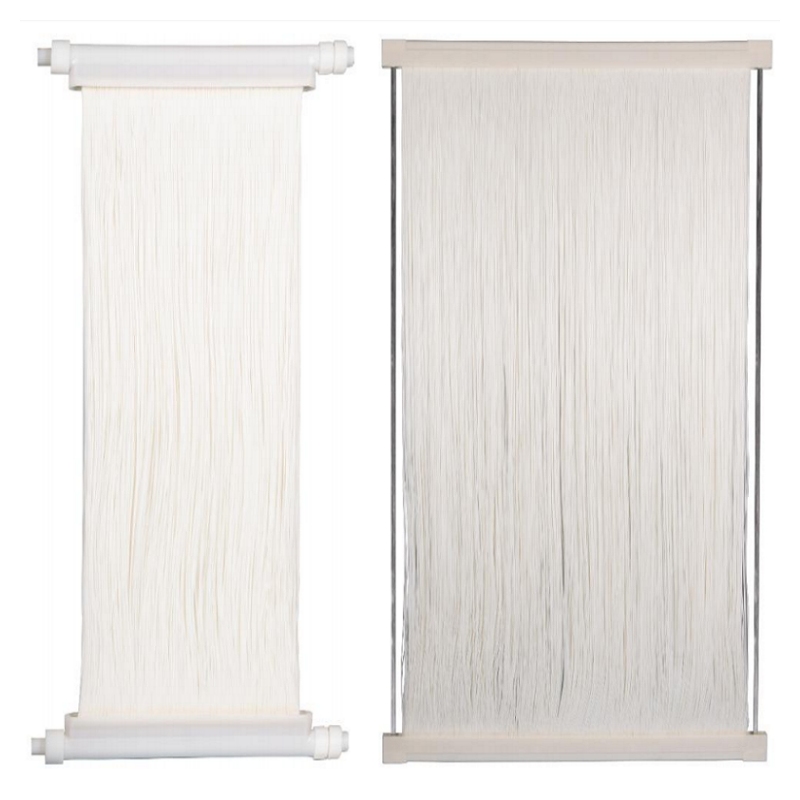
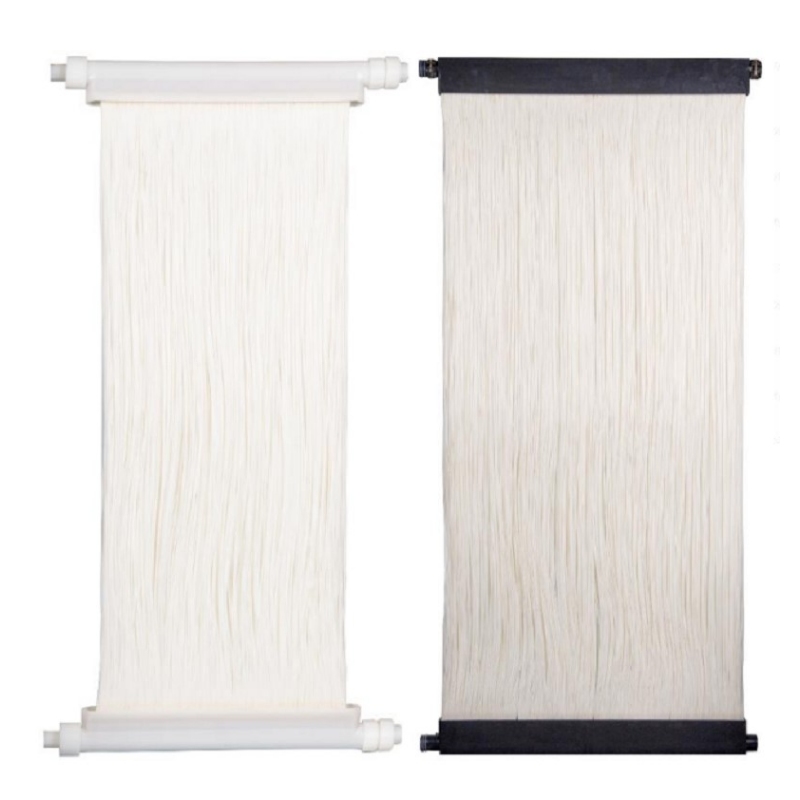
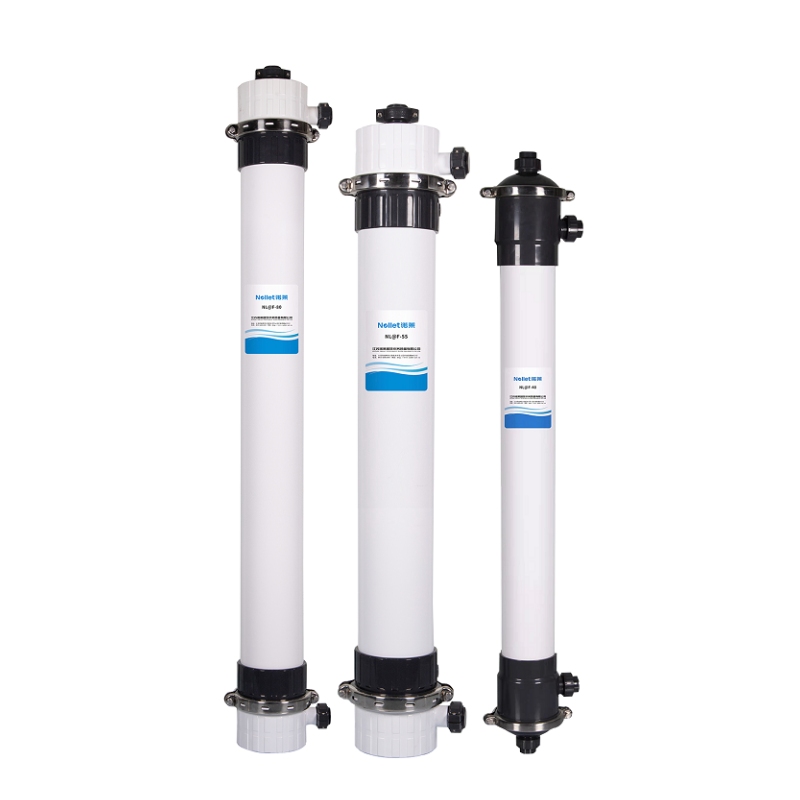
Submerged membrane modules used in ultrafiltration systems are continuously exposed to chemically aggressive environments during both filtration and cleaning cycles. In modern wastewater treatment applications, a untergetauchte Membranmodul must withstand fluctuating pH levels, oxidizing agents, and organic solvents that can accelerate material degradation over time.
This article analyzes the chemical resistance mechanisms of untergetauchte Membranmodul materials, explains key degradation pathways, and provides selection criteria for improving long-term operational stability in industrial wastewater treatment systems. Understanding these mechanisms is essential for preventing premature failure and ensuring reliable filtration performance under corrosive operating conditions.
Polymer Degradation Mechanisms in Submerged Membrane Module Materials
Chemical deterioration in a untergetauchte Membranmodul typically occurs through three primary mechanisms: hydrolysis, oxidation, and polymer chain scission. Each mechanism affects the membrane’s structural integrity at the molecular level, gradually reducing filtration efficiency and mechanical strength.
Hydrolysis in Extreme pH Environments
Hydrolysis is a dominant degradation pathway when a submerged membrane module is exposed to highly alkaline or acidic wastewater. Under alkaline conditions (pH > 10), hydroxide ions attack ester and amide bonds in polymers such as polyethersulfone (PES) and polyacrylonitrile (PAN), resulting in polymer chain breakdown and reduced molecular stability.
In acidic environments (pH < 3), proton-catalyzed reactions accelerate bond cleavage, particularly in hydrolysis-sensitive membrane structures. For a submerged membrane module operating under fluctuating industrial effluent conditions, repeated exposure to extreme pH significantly increases long-term degradation risk.
Oxidative Degradation in Chlorinated Systems
Oxidation is one of the most critical failure mechanisms in a submerged membrane module used for industrial or municipal wastewater treatment. Free chlorine (HOCl) and hypochlorite ions (OCl⁻) generate reactive oxygen species that attack polymer backbones and initiate chain reactions within the membrane structure.
Polyvinylidene fluoride (PVDF) is widely used in submerged membrane module design due to its strong carbon-fluorine bonds (485 kJ/mol), which provide significantly higher oxidation resistance compared to PES and PAN membranes. In contrast, carbon-hydrogen bonds in PES (413 kJ/mol) and PAN (338 kJ/mol) are more susceptible to oxidative attack.
Chain Scission and Structural Breakdown
Chain scission occurs when chemical agents break covalent bonds in the polymer backbone of a submerged membrane module, fragmenting long-chain molecules into shorter segments. This process reduces tensile strength, increases brittleness, and leads to microcrack formation, which directly impacts filtration selectivity and permeability stability.
In industrial wastewater applications, organic solvents such as those found in pharmaceutical and petrochemical effluents can swell polymer matrices, accelerating chain scission and reducing the operational lifespan of a submerged membrane module.
Material Performance Comparison in Submerged Membrane Modules
Different polymer materials used in submerged membrane module manufacturing exhibit distinct chemical resistance profiles:
- PVDF membranes: High chlorine tolerance (>2000 ppm·h), pH stability (2–12), and thermal resistance up to 90°C. However, they may be vulnerable to strong polar solvents such as DMF and DMSO.
- PES membranes: Moderate chlorine resistance (<500 ppm·h) with strong mechanical properties, but limited resistance to strong oxidants and long-term alkaline exposure.
- PAN membranes: Lower chemical resistance (<200 ppm·h chlorine tolerance), narrow pH stability (4–9), and susceptibility to hydrolysis under alkaline conditions, though cost-effective for low-oxidant environments.
Selecting the appropriate material for a submerged membrane module depends heavily on wastewater composition and chemical exposure intensity.
Operational vs. CIP Chemical Stress in Submerged Membrane Modules
The chemical stress experienced by a untergetauchte Membranmodul varies significantly between normal operation and cleaning-in-place (CIP) cycles. During the filtration operation, these filtration components are exposed to diluted chemical concentrations under continuous flow conditions, which reduces localized chemical stress. In contrast, CIP processes introduce highly concentrated chemicals (pH 2–12, chlorine 200–500 ppm) at elevated temperatures (35–45°C) without permeate flow, creating severe localized exposure conditions. Alkaline CIP solutions (NaOH 0.1–0.5%) are commonly used to remove organic fouling but can accelerate hydrolysis in PES and PAN-based submerged membrane modules. Acidic cleaning agents (HCl or citric acid, pH 2–3) are effective for scale removal but may attack acid-sensitive polymer structures. PVDF-based systems generally maintain higher stability across repeated CIP cycles.
Chlorine and Oxidant Exposure Limits in Submerged Membrane Modules
Chemical tolerance in a submerged membrane module is often defined by cumulative chlorine exposure measured in ppm·h:
- PVDF: >2000 ppm·h cumulative tolerance
- PES: <500 ppm·h
- PAN: <200 ppm·h
For a submerged membrane module in municipal or industrial applications, hypochlorite cleaning solutions (200–500 ppm for 30–60 minutes) can significantly contribute to cumulative oxidative stress over time.
Additional oxidants such as hydrogen peroxide (H₂O₂), peracetic acid (PAA), and ozone further influence membrane stability. While PVDF-based submerged membrane modules tolerate moderate exposure to these oxidants, PES and PAN membranes exhibit faster degradation under similar conditions, particularly in high-frequency CIP systems.
Conclusion: Chemical Stability as a Key Design Factor
The long-term performance of a submerged membrane module depends heavily on its resistance to hydrolysis, oxidation, and chemical-induced chain scission. PVDF remains the most chemically stable option for submerged membrane module applications in aggressive wastewater environments, especially where frequent CIP cycles and oxidant exposure are required.
Proper material selection, combined with controlled cleaning strategies, is essential to extend the service life of a submerged membrane module and maintain stable filtration performance in industrial and municipal water treatment systems.
Material Stability Criteria for Industrial Wastewater Applications
Membrane Polymer Selection Standards
Selecting chemically resistant materials for a Untergetauchtes Membranmodul requires matching polymer properties to wastewater composition and cleaning protocols. While chemical compatibility charts provide initial guidance, real-world performance depends on the combined effect of multiple stress factors, including temperature, oxidant levels, and cleaning frequency. A Submerged Membrane Module must be evaluated for both individual chemical resistance and cumulative degradation over its operational life.
Temperature–pH Operating Windows
Safe operational boundaries for a Submerged Membrane Module are defined by temperature and pH limits.
PVDF-based modules maintain mechanical integrity across pH 2–12 and temperatures up to 90°C, making them suitable for high-temperature CIP protocols and aggressive wastewater conditions. PES membranes typically operate reliably within pH 4–10 and temperatures below 60°C, with accelerated degradation outside these limits. PAN-based modules have the narrowest window (pH 4–9, <40°C), restricting use to mild wastewater applications.
Regulatory Compliance and Material Safety Standards
Regulatory compliance ensures that a Submerged Membrane Module meets safety requirements. NSF/ANSI Standard 61 verifies that module components do not leach harmful substances into treated water. Industrial wastewater applications may not require NSF certification, but material safety data sheets (MSDS) are essential to confirm the absence of extractable toxins. Compliance also supports procurement decisions and risk assessments for industrial operators.
Chemical Compatibility Assessment Parameters
Evaluation of a Submerged Membrane Module must consider:
- Continuous exposure concentrations during filtration
- Peak concentrations during CIP cycles
- Temperature-dependent chemical reactions
- Synergistic effects of multiple chemicals
- Cumulative exposure over a 3–7 year lifecycle
For petrochemical wastewater containing aromatic hydrocarbons, PVDF-based Submerged Membrane Module systems show superior resistance to benzene, toluene, and xylene compared to PES, which may swell. Pharmaceutical effluents with residual organic solvents require testing for compounds like acetone, methanol, and isopropanol to prevent membrane swelling or plasticization.
Module Construction and Sealing Integrity
Chemical resistance extends beyond the membrane polymer to all components of a Submerged Membrane Module. Potting compounds, housing materials, and gaskets must resist the same chemical exposures to maintain system reliability.
Potting Compound Resistance
Epoxy resins in a Submerged Membrane Module must resist hydrolysis, oxidation, and thermal cycling. Standard epoxy may degrade under prolonged alkaline exposure (pH > 11), causing fiber detachment and bypass flow. Chemical-resistant epoxy formulations, often with fluoropolymer additives, improve durability and support 500+ CIP cycles.
Housing Material Corrosion Resistance
Housing materials affect the structural integrity of a Submerged Membrane Module. Stainless steel 316L resists most applications but may pit under chloride-rich wastewater (>1000 ppm Cl⁻). Duplex stainless steels (2205, 2507) offer higher chloride resistance, while fiber-reinforced polymer (FRP) housings prevent metallic corrosion entirely.
Gasket and Seal Compatibility
Gaskets prevent leakage and contamination in a Submerged Membrane Module. EPDM tolerates alkaline cleaning but may degrade in acidic or chlorinated water. Viton gaskets resist pH 2–12 and chlorine up to 500 ppm. PTFE gaskets provide the highest chemical resistance but require precise installation to ensure long-term reliability.
| Membrane Material | pH Tolerance Range | Chlorine Resistance (ppm·h) | Oxidant Compatibility | Temperature Limit (°C) |
|---|---|---|---|---|
| PVDF | 2-12 | >2000 | H₂O₂ (5%), PAA (200 ppm), O₃ (resistant grades) | 90 |
| PES | 4-10 | <500 | H₂O₂ (3%), PAA (100 ppm), O₃ (not recommended) | 60 |
| PAN | 4-9 | <200 | H₂O₂ (1%), PAA (50 ppm), O₃ (not recommended) | 40 |
| Modified PVDF | 1-13 | >3000 | H₂O₂ (10%), PAA (500 ppm), O₃ (specialized) | 95 |
Predictive Testing and Validation Protocols
Accelerated Aging and Chemical Exposure Tests
Predicting the service life of a Untergetauchtes Membranmodul under chemical stress requires standardized accelerated aging protocols that simulate long-term operational exposure within shortened timeframes. These tests apply elevated temperatures and controlled chemical concentrations to reproduce degradation mechanisms in a filtration system under laboratory conditions.
ASTM D5322 (Standard Practice for Laboratory Immersion Procedures for Evaluating Chemical Resistance of Geosynthetics) provides a structured method for chemical exposure testing. In a typical membrane module evaluation, samples are immersed in chemical solutions at 23°C, 50°C, and 70°C for periods of 30, 90, and 180 days. Post-exposure analysis includes tensile strength retention, elongation at break, and molecular weight distribution assessment.
Flux decline testing is widely used to quantify functional degradation in the core media. Under accelerated aging conditions, periodic clean water flux measurements are used to establish performance decay curves. A 20% flux decline typically indicates structural deterioration, while 50% decline represents end-of-life conditions for a custom filtration setup.
PVDF-based Untergetauchtes Membranmodul samples exposed to 200 ppm chlorine at 40°C for 90 days (equivalent to ~3 years of operation) typically show less than 10% flux decline, while PES samples under identical conditions may exhibit 35–45% decline.
Tensile strength retention is another key indicator of material durability. Chemical exposure reduces polymer molecular weight, increasing brittleness and reducing mechanical stability. PVDF-based membrane elements typically retain 90–95% strength after 1000 ppm·h chlorine exposure, whereas PES retains only 60–70% at 500 ppm·h.
Scanning electron microscopy (SEM) analysis reveals surface degradation mechanisms in the Untergetauchtes Membranmodul, including oxidative etching, crack formation, and pore enlargement. These morphological changes help validate material selection and predict long-term performance.
Real-World Case Analysis
Petrochemical wastewater treatment (refinery effluent, pH 6–9, oil 50–200 mg/L, 35–45°C): PVDF Submerged Membrane Module systems achieved 6-year operational life with quarterly alkaline CIP (NaOH 0.3%, 40°C, 2 hours). PES modules in similar Submerged Membrane Module applications required replacement after ~3 years due to cumulative oxidative stress.
Pharmaceutical wastewater treatment (API production effluent, pH 4–10, organic solvents <500 mg/L): Modified PVDF Submerged Membrane Module systems maintained stable flux for 5 years under alternating acid–base CIP. Standard PVDF showed ~15% flux decline after 3 years due to solvent-induced plasticization.
Municipal MBR systems (domestic wastewater, pH 6.5–7.5, 1–3 ppm chlorine dosing, 15–25°C): PVDF Submerged Membrane Module systems operated for 8+ years with biannual hypochlorite CIP (500 ppm, 1 hour). PES systems typically require replacement after 4–5 years due to gradual oxidative degradation.
Protective Strategies and Operational Best Practices
Cleaning Protocol Optimization
Extending the lifespan of a Submerged Membrane Module requires balancing fouling control with chemical stress limitation. Optimized CIP strategies remove contaminants while minimizing polymer degradation through controlled dosing, temperature, and exposure time.
CIP frequency optimization is critical for Submerged Membrane Module performance. Cleaning is typically triggered when transmembrane pressure (TMP) increases 20–30% above baseline. Excessive cleaning (>weekly) accelerates chemical aging in a Submerged Membrane Module without proportional performance gain. Recommended ranges vary from biweekly to quarterly, depending on fouling load.
Chemical concentration control ensures minimum effective dosing. NaOH at 0.1–0.2% is sufficient for organic fouling removal in a Submerged Membrane Module, avoiding higher concentrations (0.5%) that accelerate hydrolysis. Similarly, 200 ppm chlorine is generally sufficient for biofouling control without exhausting oxidation resistance capacity.
Rinse control prevents residual chemical accumulation in a Submerged Membrane Module. Post-CIP rinsing must achieve neutral pH (6.5–7.5) and <1 ppm residual chlorine. Conductivity monitoring is commonly used to confirm complete chemical removal.
Sequential cleaning protocols separate incompatible chemicals in a Submerged Membrane Module system. A standard sequence includes alkaline wash → neutral rinse → acidic wash → neutral rinse → return to service, with at least 30-minute equilibration between steps.
Monitoring and Early Warning Systems
Proactive monitoring enables early detection of degradation in a Submerged Membrane Module before catastrophic failure occurs.
TMP trends are a primary indicator of Submerged Membrane Module condition. Gradual increases suggest normal fouling, while sudden spikes indicate acute fouling or structural damage. A declining TMP under constant flux may indicate pore enlargement caused by chemical attack.
Permeate quality monitoring is essential for assessing Submerged Membrane Module integrity. Increases in turbidity, TOC, or conductivity indicate membrane damage and loss of selectivity. MWCO testing with dextran standards can quantify pore enlargement.
Membrane autopsy provides final validation of Submerged Membrane Module failure mechanisms. Standard analyses include visual inspection, SEM imaging, FTIR chemical analysis, mechanical strength testing, and porosity evaluation. These results inform future material selection and CIP optimization strategies.
FAQ
Fazit
Chemical resistance plays a decisive role in the long-term reliability of any Submerged Membrane Module used in industrial wastewater treatment. Compared with PES and PAN alternatives, PVDF membranes provide stronger resistance to chlorine, pH fluctuations, and aggressive CIP chemicals, helping maintain stable filtration performance under harsh operating conditions.
By selecting chemically compatible materials, optimizing cleaning protocols, and monitoring early degradation indicators, operators can significantly extend membrane service life, reduce replacement frequency, and improve overall system stability. For OEMs and wastewater treatment facilities, choosing the right submerged membrane module directly impacts operational efficiency, maintenance costs, and long-term treatment reliability.