
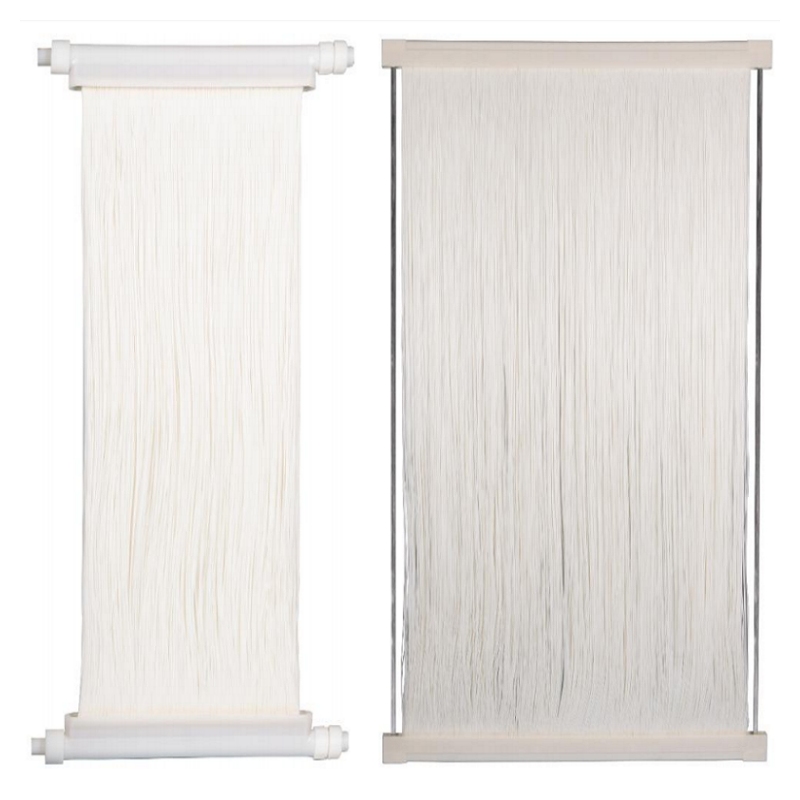
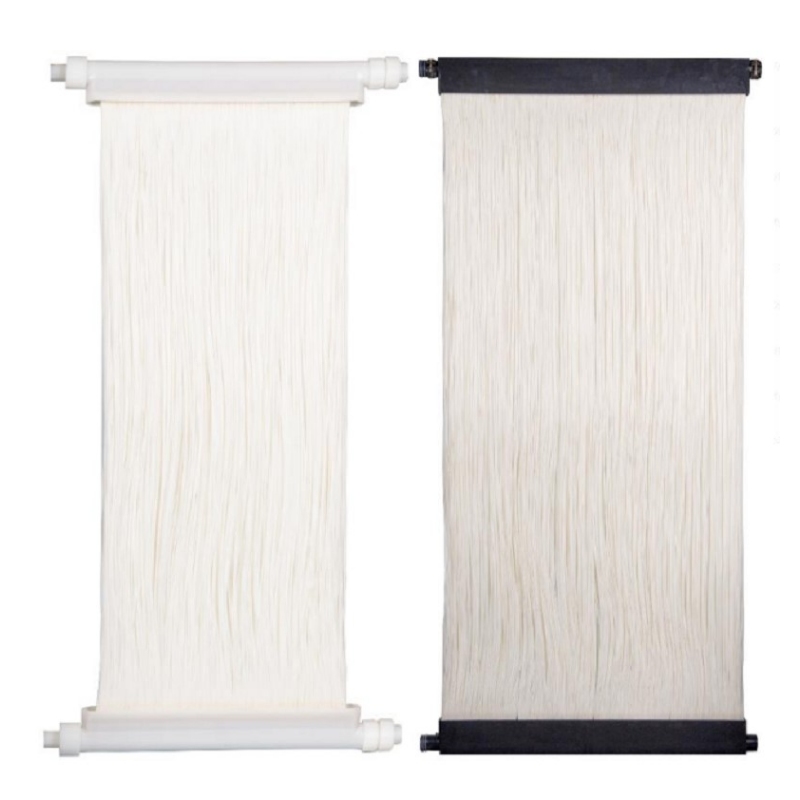
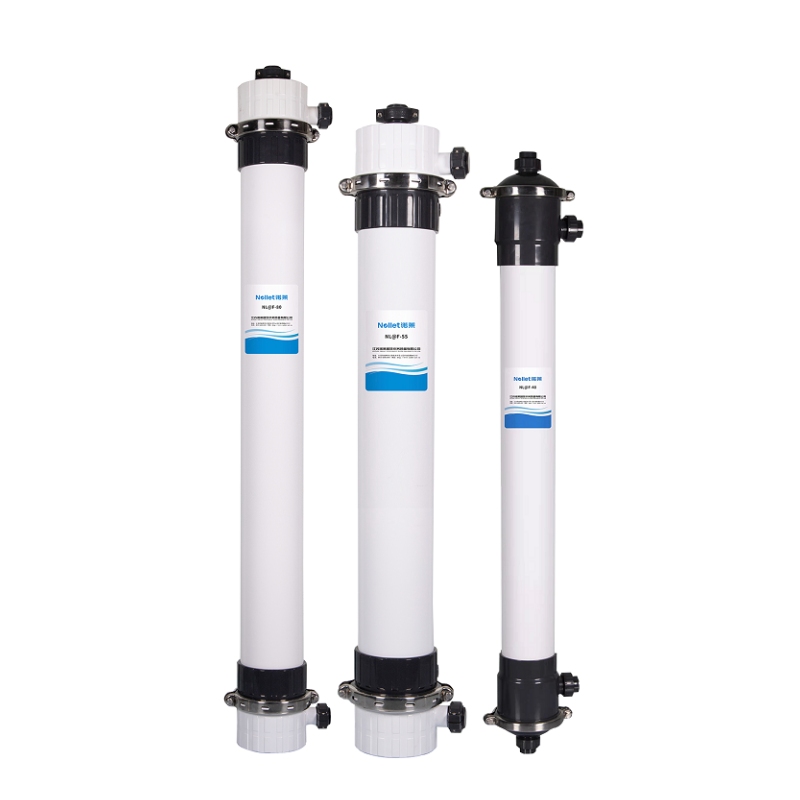
From building pipes and wastewater treatment to thermal power plants and chemical factories, ultrafiltration (UF) membranes are everywhere. Acting like a “super sieve,” they accurately block bacteria, colloids, and particulates from water, playing a vital role in industrial production and environmental protection.
Yet many overlook an essential fact: UF membranes also get “tired” and need regular “cleaning” and “care.”
Without proper maintenance and cleaning, even the best membranes can become clogged, damaged, or fail — leading to poor water quality and soaring operating costs. So, how can you keep your UF membranes in peak condition? Today, we’ll walk you through the standard procedures for UF membrane maintenance and cleaning.
1. Three-Stage Maintenance: Different Phases, Different Rules
UF membranes are not “install and forget” devices. Their maintenance must be tailored to the operating environment and running stage. Experts typically divide the life-cycle into three phases: initial startup, long-term operation, and shutdown.
a) First startup or restart: Don’t rush to full load
When you buy a new car, the dealer tells you: “Don’t floor the accelerator — break it in first.” The same goes for UF membranes.
- Give it a rinse: Before first use or after a long shutdown, flush the system with clean water for several hours to remove internal debris.
- Control output: Set initial permeate flow at about 60% of the design capacity. After 24 hours of operation, gradually increase to full load.
- Mind the temperature: Keep the feed water temperature around 20°C (68°F).
These “conservative” steps directly impact the membrane’s lifespan and your bottom line. A proper break-in saves trouble later.
b) Long-term operation: Control feed water quality and backwash frequency
For long-term, stable performance, feedwater quality is critical.
- Acceptable sources: Tap water, groundwater, surface water, seawater, or even wastewater meeting Grade II national discharge standards.
- Limits: Water temperature must not exceed 40°C (104°F); pH should be between 2 and 10.
- Don’t skip backwashing: Backwash typically 24–48 times per day, every 30–60 minutes. Once you notice a drop in membrane flux, perform chemical cleaning promptly.
c) Shutdown: Beware of drying out and biological growth
Many assume that turning off the equipment means no further care. That’s a big mistake. If a UF membrane dries out, irreversible damage occurs.
- Short-term shutdown (2–3 days): Don’t power off completely. Run the system for 30–60 minutes daily to prevent bacteria from colonizing.
- Long-term shutdown (7+ days): Before stopping, perform a thorough air-water backwash. Then fill the unit with a preservation solution (commonly 1% sodium bisulfite) and close all inlet/outlet valves. Check the solution’s pH monthly — if it drops below 3, replace it.
- Restarting: Flush continuously until the discharge shows no foam.
Remember one golden rule: keep UF membranes wet at all times. A dry membrane is beyond rescue.
2. Cleaning Is Not a One-and-Done Job: Physical + Chemical Is the Way
Cleaning UF membranes is like washing a luxury silk shirt — brute force won’t work; you need the right methods.
Physical cleaning: Using mechanical force to remove dirt
Physical cleaning uses no chemicals — just the mechanical action of water and air to dislodge contaminants.
- Forward flush: Fully open the concentrate valve, close the permeate valve, and flush for 3–10 minutes.
- Backwash: Reverse clean water from the permeate side back to the feed side to dislodge particles stuck in the pores.
- Soak: Immerse the membrane module in clean water or a cleaning solution to soften and loosen contaminants.
- Air-water backwash (most effective): Inject compressed air during backwash. This makes the hollow fibers sway and rub against each other, scrubbing off stubborn foulants.
Chemical cleaning: Dissolving tough deposits with agents
When physical cleaning isn’t enough, call in the “chemical team.” Typically, chemical cleaning is needed every 3–5 weeks.
- For microbial fouling: Use a 300–3,000 ppm sodium hypochlorite solution for 40–60 minutes.
- For organic fouling: Use 0.1%–0.2% sodium hydroxide solution. Circulate at low pressure for 20 minutes, then soak for 20–40 minutes, followed by rinsing with water until neutral.
- For inorganic scaling: Use an acid or EDTA sodium salt solution.
A special reminder: solid alkalis must be fully dissolved before preparing cleaning solutions — never take shortcuts.
Conclusion: Treat Your UF Membranes Well — It Pays Off
UF membranes are not disposable consumables. Scientific maintenance and cleaning not only keep them operating efficiently for long periods but also significantly reduce replacement frequency and operating costs.
Whether in industrial settings like thermal power and chemical plants, or in municipal wastewater purification, following the principle of “phase-based maintenance + physical & chemical cleaning” unlocks the full social and economic value of UF membranes.
So, have you given your UF membranes the “right bath” today?