


DUBLIN, Jan. 21, 2026 (GLOBE NEWSWIRE) — Stricter discharge standards, escalating water scarcity, and continuous advancements in reverse osmosis (RO) technology are propelling the global membrane water and wastewater treatment market. Emerging opportunities lie in low-pressure membrane systems, digital twin applications, and AI-powered predictive maintenance, as stringent EPA and EU PFAS regulations push widespread technological retrofits across water treatment facilities worldwide.
A newly released industry report titled Membrane Water & Wastewater Treatment Market – Share, Trends, Statistics, and Growth Forecasts, 2026–2031, published by ResearchAndMarkets.com, forecasts robust market expansion in the next five years.
The global membrane water and wastewater treatment market size is projected to grow from USD 6.93 billion in 2026 to USD 9.76 billion by 2031, representing a compound annual growth rate (CAGR) of 7.11% during the forecast period. Core growth drivers include tightening environmental compliance rules, worsening global water shortages, and iterative upgrades in RO technology, which can cut energy consumption by up to 35% in water treatment operations.
The integration of digital twins and AI-driven predictive maintenance has effectively reduced operational costs, minimized equipment downtime, and significantly boosted the market’s appeal for municipal water projects and industrial wastewater treatment scenarios. Regionally, Europe leads the globe in regulatory stringency with rigorous policies targeting per- and polyfluoroalkyl substances (PFAS) and micro-pollutant removal, while the Asia-Pacific region is witnessing rapid capacity expansion and market penetration.
The market features moderate competitive intensity. Established industry players sustain their market shares through strategic acquisitions and bundled service-centric solutions, while emerging innovators leverage next-generation technologies such as graphene-based membranes to capture niche market opportunities.

Rising Adoption of High-Efficiency Low-Pressure Membrane Systems
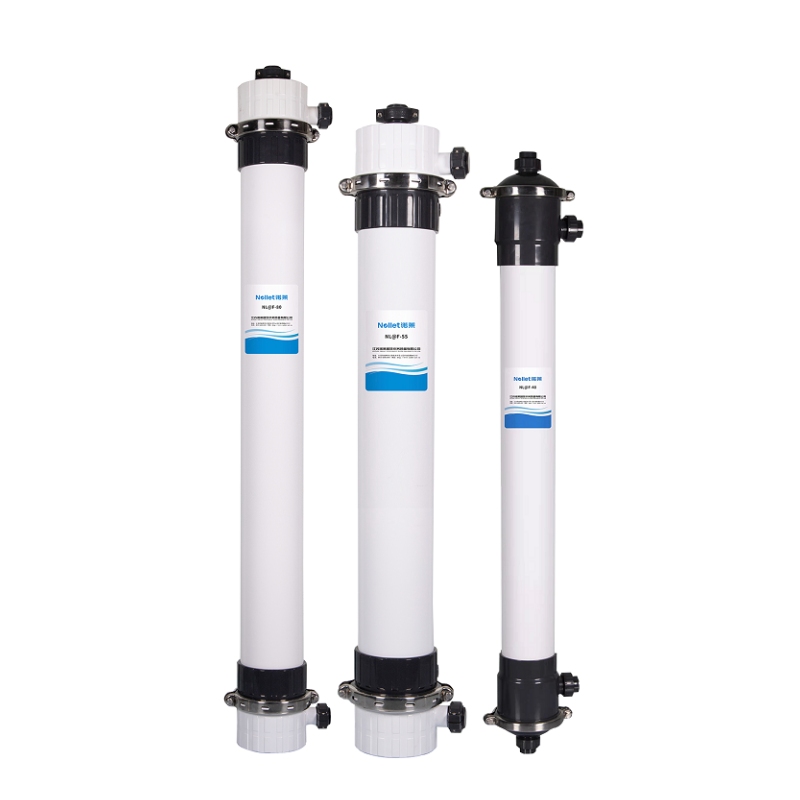
Advanced low-pressure ultrafiltration (UF) and microfiltration (MF) modules have achieved far superior operational efficiency compared with traditional models, delivering a 40% to 60% reduction in operating pressure and substantial electricity savings. These technological breakthroughs are particularly well-suited to decentralized, energy-constrained environments, enabling efficient integration of membrane treatment technologies with renewable energy systems.
Leading suppliers have launched high-flux, low-pressure product lines that maintain stable treatment performance while lowering overall operational expenditures. Additionally, the lower capital investment threshold of these solutions makes them viable for small-scale community water treatment projects, helping utility companies reduce pollutant emissions without large-scale infrastructure overhauls.
Tougher Regulatory Standards for Micro-Pollutants and PFAS
Updated PFAS regulations rolled out by the U.S. EPA and the European Union are driving comprehensive technological retrofits at water and wastewater facilities, accelerating the industry shift from conventional filtration to nanofiltration (NF) and advanced RO systems. Regulators are continuously expanding the scope of controlled pollutants to include pharmaceutical residues and endocrine-disrupting chemicals, further raising industry compliance benchmarks.
Aggressive regulatory implementation timelines favor suppliers with mature, ready-to-deploy treatment solutions and sufficient inventory reserves. This trend is profoundly reshaping the North American and European markets, while pushing Asia-Pacific export manufacturers to upgrade technologies and align products with global water quality standards.
Persistent Industry Challenges: Membrane Fouling and Chemical Costs
Membrane fouling remains a critical operational pain point for the industry, accounting for 15% to 25% of total operational expenditure (OPEX) on cleaning chemicals and causing frequent equipment downtime. Although innovative surface coating technologies and advanced cleaning methods have demonstrated promising fouling mitigation effects, high costs and immature large-scale application capabilities remain key bottlenecks. These challenges are expected to slightly restrain market growth before the full commercialization of next-generation solutions.
Key market drivers and restraints also include the expansion of decentralized off-grid treatment plants, OPEX reduction via AI predictive maintenance, and the capital-intensive nature of ceramic membrane manufacturing.
Market Segmentation Insights
Reverse osmosis (RO) dominates the market with a 36.62% revenue share, fueled by robust retrofit demands in seawater desalination and industrial water reuse sectors, as optimized technologies lower operational barriers. Ultrafiltration has solidified its role as a critical pretreatment solution, with dual-barrier design becoming the standard configuration for commercial seawater RO systems.
Nanofiltration is gaining growing traction in organic matter rejection applications, while microfiltration maintains a stable niche demand in the biotechnology and beverage manufacturing industries. Innovative chemical technologies are extending membrane service life, while digital operation tools drive equipment iteration every five to seven years.

Industry frontrunners continue to reshape market competition. DuPont’s WAVE PRO platform enhances bidding accuracy and project operational efficiency, while Clean TeQ’s graphene membrane modules deliver low-pressure and high-flux performance, unlocking new growth potential for integrated membrane treatment systems.
The report segments the global membrane water and wastewater treatment market by technology, end-user industry, and geography, with all forecasts quantified in U.S. dollar terms.
Regional Market Analysis
Europe led the global market with a 33.84% share in 2025, backed by proactive regulatory frameworks and sustained infrastructure investment across regional countries. The Asia-Pacific region emerges as the fastest-growing market, driven by rapid urbanization and large-scale water treatment initiatives in China, Indonesia, and other emerging economies.
North America maintains strong market momentum, leveraging advanced desalination technologies to address drought challenges and deploy targeted PFAS treatment solutions in high-regulation regions. The Middle East and Africa are renowned for large-scale RO desalination projects, while South America sees rising demand for zero-liquid-discharge (ZLD) technologies propelled by local mining industry needs.