
In an era of heightened health consciousness, the quality of the water we drink has moved from an afterthought to a primary concern. We no longer simply trust that the water coming out of our taps is pure enough for direct consumption. This growing awareness has fueled a technological revolution in water treatment, moving purification from massive, centralized plants right to the point of use. At the forefront of this revolution is a technology that is both powerful and elegant: Direct drinking water membrane water purification equipment.
You’ve likely seen these systems installed in modern office buildings, new schools, high-end residential complexes, and even under kitchen sinks. They promise to deliver water that is not just clean, but pristine—free from contaminants, impurities, and unpleasant tastes or odors, ready for direct consumption.
But what exactly is happening inside that sleek, modern housing? What is this “membrane” technology, and how does it so effectively transform ordinary tap water into premium-quality drinking water? Is it really better than traditional filters?
The Core Principle: What is Membrane Filtration?
At its heart, all membrane filtration is based on a simple, powerful principle: physical separation.
Imagine a filter with pores so incredibly small that water molecules can pass through, but larger contaminants cannot. This is the essence of a membrane. It’s not a chemical process; it’s a highly advanced form of physical straining. The beauty of Direct drinking water membrane water purification equipment lies in its ability to create a definitive, absolute barrier between you and a vast range of potential impurities.
The “power” of a membrane system is determined by the size of its pores. In the world of water purification, we generally talk about four main types of membrane filtration, from the largest pore size to the smallest:
- Microfiltration (MF): Pores are typically around 0.1 to 1.0 microns. Effective at removing suspended solids, sediment, algae, and larger bacteria and protozoa like Giardia and Cryptosporidium.
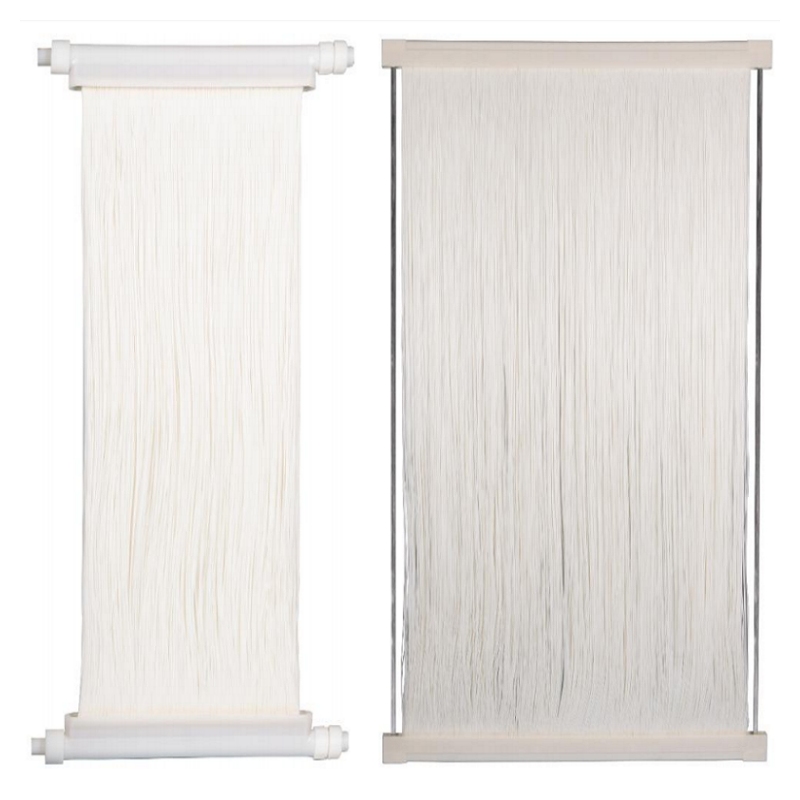
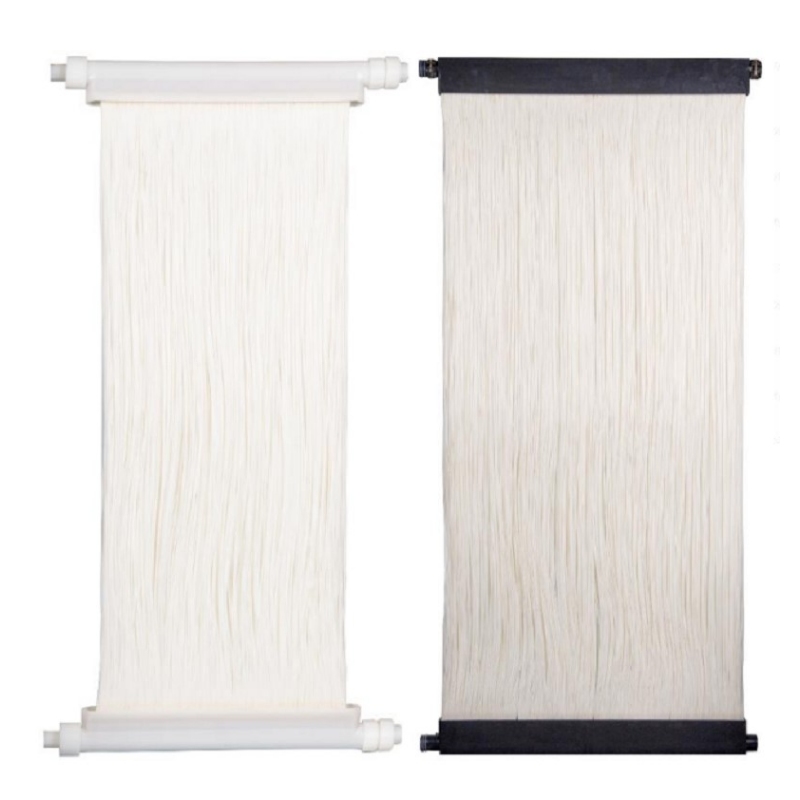
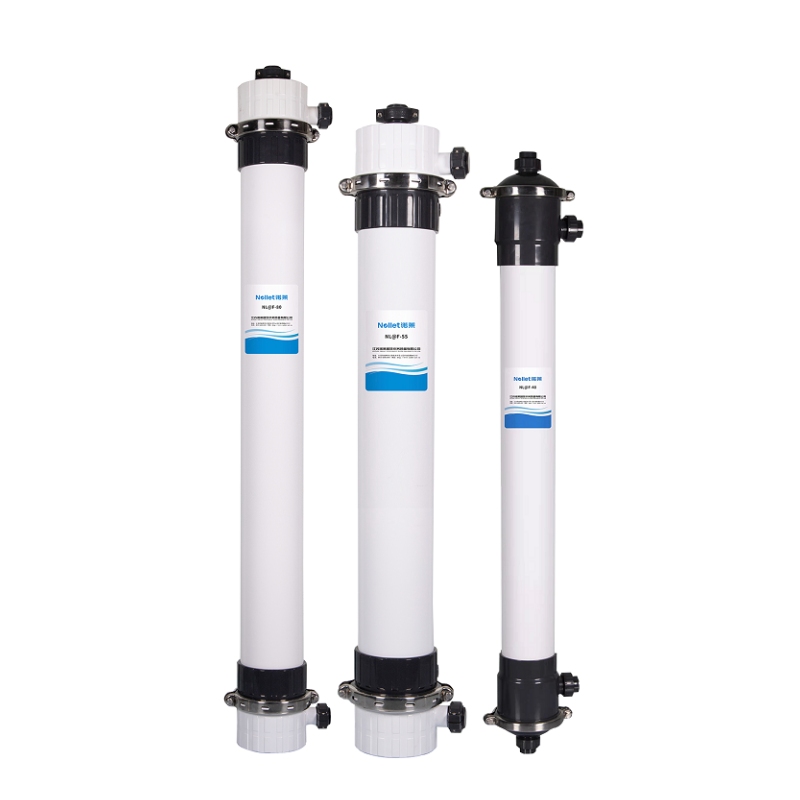
- Ultrafiltration (UF): Pores are significantly smaller, around 0.01 to 0.1 microns. UF removes everything MF does, plus smaller bacteria, viruses, and larger organic molecules. This is a common core technology in Direct drinking water membrane water purification equipment.
- Nanofiltration (NF): The pores get even smaller, capable of removing most dissolved organic molecules and multivalent ions (like calcium and magnesium, which cause hardness).
- Reverse Osmosis (RO): This is the finest level of filtration. The pores are so small (around 0.0001 micron) that they can remove virtually everything that isn’t a water molecule, including most dissolved salts, minerals, and monovalent ions. RO is the gold standard for achieving the highest level of purity.
A comprehensive Direct drinking water membrane water purification equipment system will often use a combination of these technologies in a multi-stage process to achieve optimal results.
Anatomy of a Modern System: A Multi-Stage Purification Journey
A high-quality system is never just a single filter. It’s a carefully orchestrated, multi-stage process where each stage is designed to protect the next and progressively purify the water. Let’s walk through the typical journey of a water droplet inside a state-of-the-art Direct drinking water membrane water purification equipment.
Pre-Treatment – Protecting the Heart of the System
The delicate membrane, especially an RO membrane, is the most expensive and important component. The pre-treatment stages are designed to act as its bodyguard, removing coarse contaminants that could quickly damage or foul it.
- PP Sediment Filter: The first line of defense. This is a simple filter, often made of polypropylene, designed to catch the “big stuff”—sand, silt, rust, and other suspended particles from aging pipes. This prevents the finer filters downstream from getting clogged prematurely.
- Activated Carbon Filter (GAC/CTO): This stage is all about chemical and aesthetic purification. Activated carbon is incredibly porous and acts like a sponge for chlorine and organic compounds. Its primary jobs are:
- Chlorine Removal: Chlorine is added to city water to disinfect it, but it gives the water an unpleasant taste and odor. More importantly, chlorine can chemically damage and destroy thin-film composite RO membranes. This filter is essential for protecting the RO membrane’s lifespan.
- Taste and Odor Improvement: It adsorbs many of the volatile organic compounds (VOCs) that can cause “off” tastes or smells in the water.
The Core – The Membrane Filtration Engine
After pre-treatment, the water is ready to meet the heart of the Direct drinking water membrane water purification equipment: the membrane itself. Most high-purity systems will use either Ultrafiltration (UF) or Reverse Osmosis (RO) as their primary engine.
- If the Core is Ultrafiltration (UF):
- How it works: Water is pushed through the UF membrane’s hollow fibers. The pores (0.01-0.1 micron) effectively block all suspended solids, bacteria, and viruses.
- Pros: It retains the natural minerals in the water, which some people prefer for taste. It operates at lower pressure, consuming less energy, and produces very little wastewater.
- Cons: It does not remove dissolved salts, heavy metals, or other chemical contaminants.
- If the Core is Reverse Osmosis (RO):
- How it works: This is a much more intensive process. High pressure is used to force water molecules against their natural osmotic gradient through the semi-permeable RO membrane.
- The Result: The incredibly fine pores of the RO membrane block an astonishing 99%+ of all dissolved solids (TDS), including salts, heavy metals (like lead and mercury), fluoride, nitrates, and more. It produces water in its purest form (H₂O).
- Wastewater (Brine): The contaminants that are rejected by the RO membrane are continuously flushed away in a separate stream of water, often called “brine” or “reject water.” The ratio of pure water to wastewater is a key efficiency metric of an RO system.
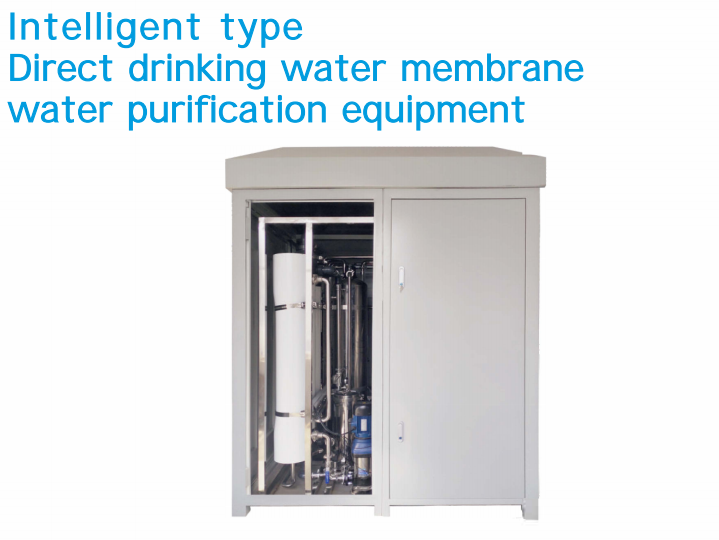
For a system to truly be called a high-purity Direct drinking water membrane water purification equipment, Reverse Osmosis is typically the technology of choice.
Post-Treatment – Polishing and Final Safeguards
The water coming out of an RO membrane is exceptionally pure, but the journey isn’t over. The final stage “polishes” the water and ensures its absolute safety right up to the point of dispensing.
- Post-Carbon Filter: After passing through the RO membrane and potentially sitting in a storage tank, the water passes through one final carbon filter. This “polishing” filter removes any lingering residual tastes or odors, ensuring the water is crisp, clean, and delicious.
- UV Sterilization (Optional but Recommended): As a final failsafe, many high-end Direct drinking water membrane water purification equipment systems incorporate an ultraviolet (UV) lamp. As the water flows past the UV lamp, the powerful ultraviolet light instantly destroys the DNA of any potential bacteria or viruses that might have somehow survived, rendering them completely harmless. It’s a chemical-free, instantaneous method of disinfection that provides an extra layer of security.
- Remineralization (Optional): Because RO removes almost everything, it also removes beneficial minerals like calcium and magnesium, which can result in water that tastes slightly “flat.” Some systems include a final remineralization cartridge that adds back a small, balanced amount of these healthy minerals to improve the water’s taste and pH.
Key Considerations When Choosing Your System
Now that you understand the technology, how do you choose the right Direct drinking water membrane water purification equipment for your needs?
1. Assess Your Source Water Quality:
Before you buy, it’s wise to get your water tested. What are you trying to remove? If your main concern is just bacteria and sediment from well water, a UF system might be enough. If you live in an area with hard water, high TDS, or concerns about industrial/agricultural runoff (nitrates, heavy metals), then a Reverse Osmosis system is the only choice that provides complete peace of mind.
2. Evaluate the System’s Components and Certifications:
Not all filters are created equal. Look for systems and components that are certified by reputable third-party organizations like the NSF (National Sanitation Foundation) or WQA (Water Quality Association). An NSF/ANSI 58 certification, for example, is a rigorous standard for RO systems that verifies a system’s contaminant reduction claims.
3. Check the Production Rate and Storage Capacity:
The capacity of a system is often measured in Gallons Per Day (GPD). A typical residential RO system might be rated at 50 or 75 GPD. For an office or school, you would need a much larger commercial-grade system. Also, consider the size of the storage tank. The tank holds a reserve of purified water, ready for immediate use. Ensure the tank size is adequate for your peak demand.
4. Understand the Maintenance Schedule:
A Direct drinking water membrane water purification equipment system is not a “fit and forget” device. It requires regular maintenance to perform correctly. Understand the replacement schedule for each filter cartridge:
- Sediment & Carbon Pre-filters: Typically every 6-12 months.
- RO Membrane: Typically every 2-4 years.
- Post-Carbon Filter: Typically every 12 months.
- UV Lamp: Typically, every 12 months.
Failing to replace filters on schedule will not only reduce the quality of your water but can also permanently damage the RO membrane. Choose a system with easily accessible, user-replaceable cartridges.
An Investment in Health and Peace of Mind
In a world of invisible threats, from lead in aging pipes to nitrates in groundwater, taking control of your drinking water quality is one of the most proactive steps you can take for your health and the health of your family or employees.
A Direct drinking water membrane water purification equipment system is far more than just a filter. It is a multi-stage, high-technology purification plant in miniature. It employs a definitive physical barrier to methodically strip away a vast spectrum of contaminants—from coarse sediment and rust to chlorine, bacteria, viruses, heavy metals, and dissolved salts.
By understanding the roles of its different stages—the protective pre-filters, the powerful membrane engine (UF or RO), and the final polishing post-filters—you can appreciate the thoroughness of the process. When you choose a high-quality, certified system, you are not just buying better-tasting water. You are investing in a reliable, on-demand source of water that is exceptionally pure, safe, and healthy. You are investing in the peace of mind that comes from knowing that every glass you drink is as clean and safe as modern technology can make it.