
In the constant pursuit of fresh, safe water, the field of water treatment is in a state of evolution that is relentless. Over time, conventional methods like coagulation, flocculation, sedimentation, and sand filtration have been the foundation of purification processes. While effective in theory, these systems are now increasingly recognized for their limitations in response to more stringent regulations, complex substances, and the increasing popularity of smaller-scale, more efficient solutions.
Walk through a technology that represents not only a minor enhancement, but a fundamental change in water purification: Immersion Membrane Filtration.
This advanced procedure, which is often referred to as submerged membrane filtration, is changing the way we approach water and wastewater treatment. It circumvented several stages of a typical plant with only one, highly effective physical barrier, which produced a level of purity and efficiency that was previously unattainable. For scientists, plant operators, and municipal decision makers, understanding Immersion Membrane Filtration is now mandatory; it’s crucial to the design and operation of the water treatment plants of the future.
Defining the Technology: What Exactly Is Immersion Membrane Filtration?
At its heart, Immersion Membrane Filtration is a liquid-solids separation method that employs a physical barrier—a semi-permeable membrane—to differentiate water from its constituents.
The most common attribute of this technology is its name: ” Immersion.”
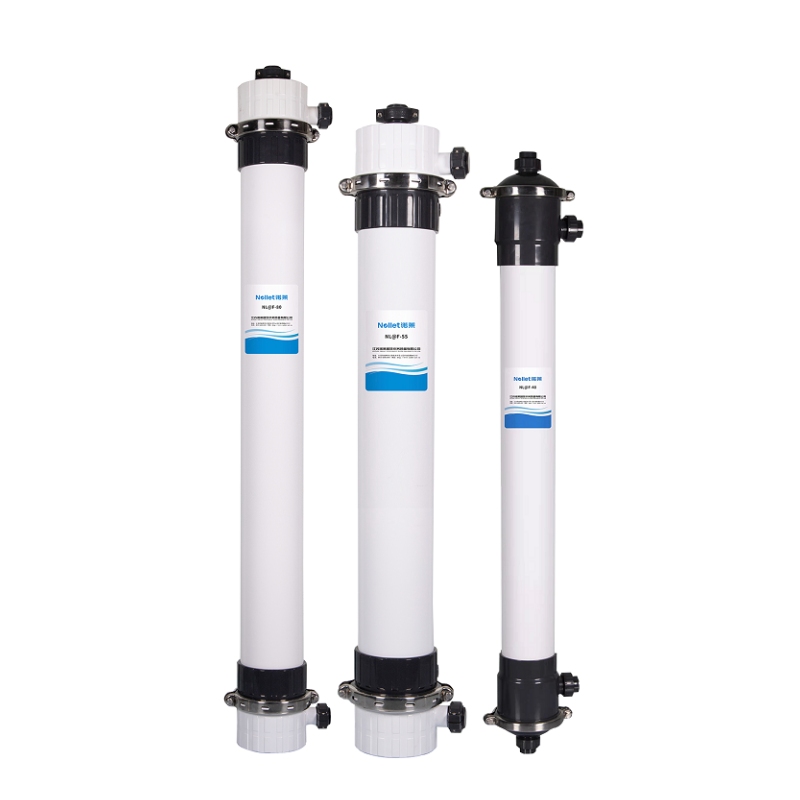
Immersion membranes are used in pressurized membrane systems that force water through membranes that are confined to a vessel. In contrast, Immersion membranes are used in open systems that contain water at high pressure. Instead of pushing water through the system, these membranes are gently pulled through the walls of the membrane using a small amount of suction or negative pressure.
Consider it similar to drinking from a straw that is very, very small. The liquid permeates through, but all other aspects, including microscopic particles, are left behind.
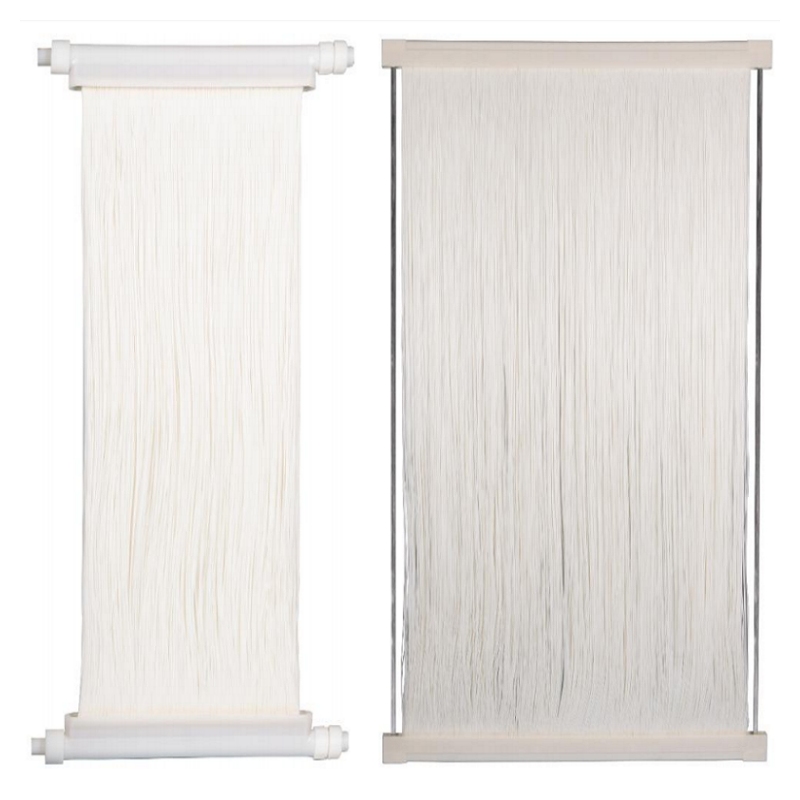
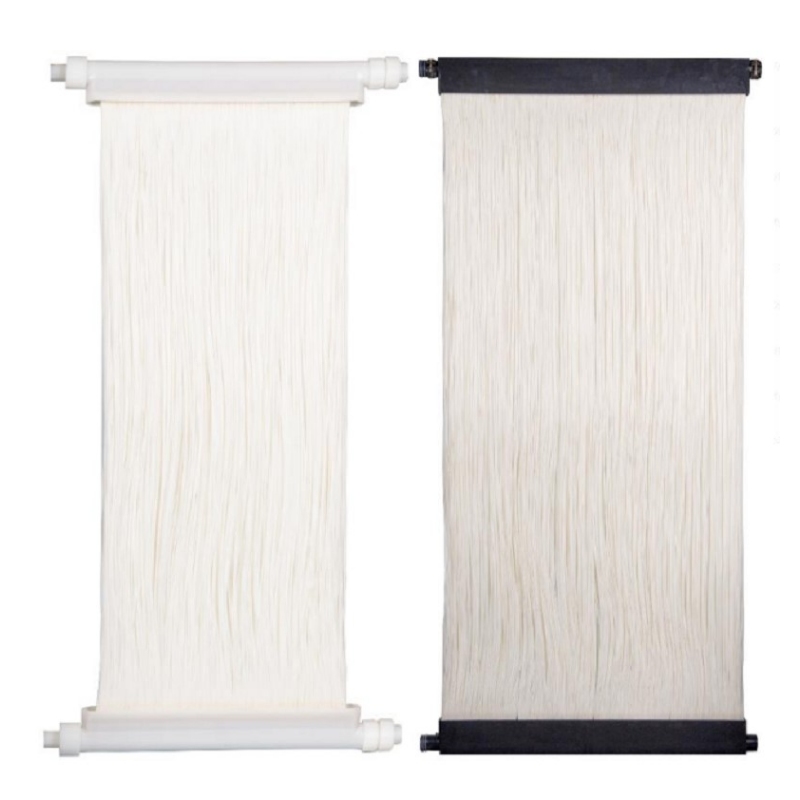
These membranes are typically composed of either small straws (like the bundles of) or small sheets. The pores on the surface of these membranes are extremely small, typically in the range of microfiltration (MF) or ultrafiltration (UF), and the typical size of these pores is 0.01-0.4 microns. To consider, a human hair’s thickness is around 70 micrometers, and the smallest bacteria are around 0.2 micrometers. This microscopic porous structure is the cause of the technology’s incredible capacity to filter.
The most common and significant use of this technology is in Membrane Bioreactors (MBRs) for the treatment of wastewater. The technology involves placing the membranes directly into the activated sludge in the bioreactor’s tank. This effectively combines the biological procedure and the physical Separation step into a single, compact device. However, its usage is far greater than MBRs, serving as a powerful solution to the purification of drinking water, the treatment of water for reuse, and the clarification of water.
The Working Principle: A Symphony of Gentle Suction and Smart Cleaning
To truly appreciate the elegance of Immersion Membrane Filtration, we need to look at how it operates day-to-day. The process can be broken down into two main phases: Filtration and Cleaning.
1. The Filtration Phase: Gentle, Low-Energy Suction
Once the membrane components are submerged in the raw water or bioreactor, a pump that is connected to the components will start working. This pump produces a mild negative pressure, typically less than -0.1 bar (-1.5psi). This slight sucking action is all that is necessary to draw water from the tank through the microscopic pores of the membrane, and out as clear, pure water (filtered water).
Everything that is larger than the membrane pores is discarded, and everything else is kept in the tank. This is a purely physical distinction, a barrier that is not dependent on chemical reactions or gravitational pull.
This low-powered operation is crucial to the system. It’s more energy efficient than high-pressure systems, which makes Immersion Membrane Filtration a technology that’s inherently energy-saving.
2. The Cleaning Phase: Maintaining Performance with Air Scouring
As water flows through the membranes, the undesirable substances (such as suspended solids, bacteria, colloids, etc.) are rejected. Naturally, the particles begin to cluster on the membrane’s surface. This procedure is known as fouling. If left without management, fouling would increase the resistance of the flow, which would require more energy and would ultimately lead to the blocking of the membrane.
This is the place where the brilliance of the design that immerses comes to play. Integrated into the bottom of the membrane modules is a system for aeration. Occasionally, this mechanism produces large bubbles that extend across the membrane. This induces a turbulent, brushing motion that gently skims the solid accumulation on the membrane fibers or sheets, which are then sent back into the suspension of the container.
This process is called “air scouring”, it’s a Constant, Gentle mechanism that maintains the membrane’s porosity and ensures long-term, stable operation. It’s less mechanically violent than the high-pressure backwashing associated with other systems. For more difficult fouling, a procedure called “maintenance cleans” or “Clean-in-place” (CIP) utilizing specific chemical solutions can be periodically performed without necessitating the removal of the membranes from the tank.
This alliance of soft cleaning and efficient air-scouring is the catalyst for the reliability and efficiency of every Immersion Membrane Filtration system.
Advantage #1: Unparalleled Water Quality – A Definitive Physical Barrier
The single most important job of any water purification system is to produce safe, clean water. This is where Immersion Membrane Filtration truly leaves conventional technologies behind. Because it relies on a physical barrier with microscopic pores, the quality of the filtered water is exceptionally high and remarkably consistent, regardless of fluctuations in the raw water quality.
Sub-0.1 NTU Turbidity: Exceeding Global Standards
Turbidity is the measurement of water’s cloudiness; it’s a primary indicator of water quality and the potential for disease. Conventional plants have a hard time maintaining a turbidity level of 0.3 to 0.7 NTU, the typical level in developed countries.
Our advanced membrane filtration system for water purification is breaking this record. The turbidity of the discharge is consistently lower than 0.1NTU. This degree of openness is almost perfect. The product’s water quality is not only superior to the national water standards for drinking in many countries, but it also exceeds the primary indicators of the World Health Organization’s water standard. When considered in conjunction with critical metrics like turbidity and the safety of microbiological organisms, the performance is clearly superior to the stringent standards of European and American drinking water.
Complete Removal of Pathogens and Contaminants
The membrane’s absolute pore size rating provides a level of security that no other filtration method can match. The system is capable of completely removing pathogenic microorganisms such as bacteria, viruses, colloids, algae, and even red insect larvae.
- Bacteria & Protozoa: Pathogens like E. coli, Giardia, and Cryptosporidium, which are responsible for major waterborne disease outbreaks, are several microns in size and are completely blocked by the membrane.
- Viruses: While some individual virus particles are smaller than the pores, they typically exist in water attached to larger colloidal particles. The membrane’s ultrafiltration capability effectively removes these, providing a powerful defense against viral contamination.
- Algae and Larvae: For surface water treatment, seasonal algae blooms and the presence of insect larvae can overwhelm traditional sand filters. For an Immersion Membrane Filtration system, these are easily and completely rejected, preventing taste and odor issues and ensuring the final water is biologically stable.
This complete physical removal provides a level of public health protection that is simply in a different league.
Advantage #2: A Green Process – Purity Without Chemical Cocktails
Conventional water treatment is often a complex chemical process. Coagulants like alum or ferric chloride are added to clump small particles together, pH adjusters are used, and a final, heavy dose of chlorine is added for disinfection.
Immersion Membrane Filtration offers a far cleaner, greener alternative. No chemical agents are added as part of the primary filtration process. The separation is purely mechanical. This leads to several significant benefits:
- No Sludge Production: The coagulation process creates large volumes of chemical sludge, which is difficult and costly to dewater and dispose of. Because our system doesn’t require coagulants, there is no muddy water pollution or chemical sludge to manage.
- Improved Taste and Quality: The final water is pure and free from residual treatment chemicals. This results in good water quality and taste, without the “chemical” flavor often associated with tap water.
- Reduced Disinfection Byproducts (DBPs): Heavy chlorination can react with organic matter in the water to form harmful disinfection byproducts (like trihalomethanes), which are regulated carcinogens. Because the membrane removes virtually all of the organic precursors, the need for heavy post-chlorination is dramatically reduced, leading to safer water.
This makes it a truly green process, minimizing environmental impact while maximizing water quality.
Advantage #3: Compact Footprint – Doing More with Less Space
In urban areas or at industrial sites, space is often a premium and expensive commodity. Traditional water treatment plants, with their large sedimentation basins, flocculation tanks, and filter galleries, are notoriously space-intensive.
This is another area where Immersion Membrane Filtration provides a revolutionary advantage. Because the membrane modules are submerged directly into the treatment tank, the need for many of these large structures is eliminated.
There is basically no civil engineering structure on site dedicated to the separation process itself. The “filter” is inside the tank. As a result, the floor area is small, requiring only 20% of the traditional treatment process floor area.
This incredible space-saving capability makes it the ideal solution for:
- Upgrading Existing Plants: Old, space-constrained treatment plants can dramatically increase their capacity and improve their effluent quality by retrofitting Immersion Membrane Filtration into existing tanks, without needing to acquire new land.
- New Builds in Urban Areas: New developments can incorporate high-performance water treatment facilities on a fraction of the land that would have been required previously.
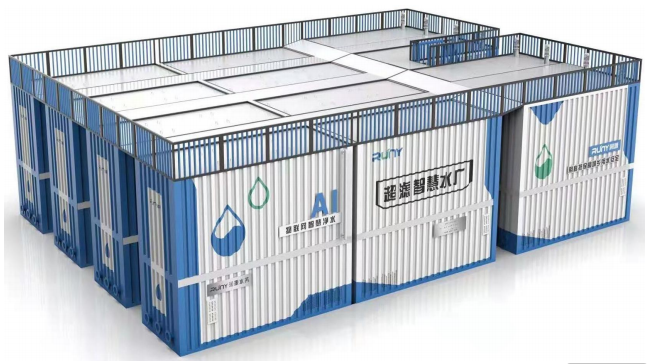
- Decentralized and Containerized Systems: The compact nature of the technology allows for the creation of pre-fabricated, “plug-and-play” water treatment plants inside standard shipping containers, perfect for remote communities, construction sites, or emergency response.
Advantage #4: Intelligent and Automated Operation – The Future of Plant Management
A modern water treatment plant should not require constant manual oversight. The immersion membrane filtration water purification equipment is designed for the 21st century, relying on an integrated platform for intelligent water equipment management and control.
This advanced automation and control system is the brain of the operation, ensuring optimal performance with minimal human intervention.
- Remote Monitoring and Control: Plant owners and operators are no longer tethered to the control room. With remote monitoring and intelligent operation functions, they can access real-time performance data, view trends, and even adjust operational parameters from a smartphone, tablet, or laptop anywhere in the world. They can receive instant alerts for any potential issues, allowing for proactive rather than reactive management.
- Automated Processes: The entire filtration and cleaning cycle is automated. The system monitors the transmembrane pressure (TMP) and automatically initiates cleaning cycles when needed. This ensures the membranes are always operating at peak efficiency, prolonging their lifespan and saving energy.
- Data-Driven Optimization: The system logs vast amounts of operational data. This data can be analyzed to optimize performance over time, predict maintenance needs, and provide detailed compliance reports for regulatory agencies.
This level of intelligent automation reduces the need for highly skilled, on-site operators 24/7, leading to significant savings in labor costs and a dramatic reduction in the potential for human error.
Advantage #5: Versatility and Scalability – A Solution for Every Need
Immersion Membrane Filtration is not a one-size-fits-all solution, but a highly flexible and scalable technology platform.
It is suitable for raw water with turbidity ranging from 0 to 100 NTU. This wide operational window means it can handle everything from relatively clean groundwater to challenging surface water prone to turbidity spikes after storm events, without compromising performance.
The modular design of the system also allows for incredible scalability. A single system can be designed with a treatment scale of 0 to 1000 m³/d. This makes it perfectly suited for:
- Small, decentralized systems for villages, hotels, or industrial parks.
- Medium-scale plants for towns or large commercial developments.
- Large-scale municipal plants, where multiple units can be combined to treat tens of thousands of cubic meters per day.
This scalability ensures that a solution can be precisely tailored to the specific needs of any project, avoiding the inefficiency of over-sizing or the limitations of under-sizing.
The Clear Choice for Modern Water Purification
The evidence is overwhelming. Immersion Membrane Filtration is more than just another piece of equipment; it is a comprehensive solution that addresses the most pressing challenges in the water treatment industry.
It offers a future where:
- Water quality is guaranteed, protected by an absolute physical barrier that exceeds the world’s most stringent standards.
- The process is green and sustainable, eliminating the need for chemical additions and the production of secondary pollutants.
- Facilities are compact and efficient, freeing up valuable land and reducing capital expenditure on civil works.
- Operations are intelligent and automated, lowering labor costs and ensuring consistent, reliable performance.
For any professional tasked with delivering safe, reliable water in the 21st century, Immersion Membrane Filtration is no longer a niche alternative. It is the clear, logical, and superior choice. It is the future of water treatment, available today.