
Εισαγωγή
Wastewater treatment is changing rapidly as stricter discharge standards, rising land costs, and growing water reuse demands push facilities to upgrade outdated systems. Among the most effective solutions, MBR sewage treatment equipment combines biological treatment with membrane filtration to deliver higher treatment performance in a more compact design.
Compared with conventional activated sludge processes, MBR sewage treatment equipment offers clearer effluent quality, a smaller installation footprint, lower sludge generation, and stronger resistance to fluctuating influent loads. These practical advantages have made it an increasingly popular choice for municipal plants, industrial facilities, hotels, hospitals, and decentralized wastewater projects worldwide.
This article explains how MBR systems work, where they outperform traditional processes, and why many engineers and operators now consider them the future of wastewater treatment.
What Is MBR Sewage Treatment Equipment?
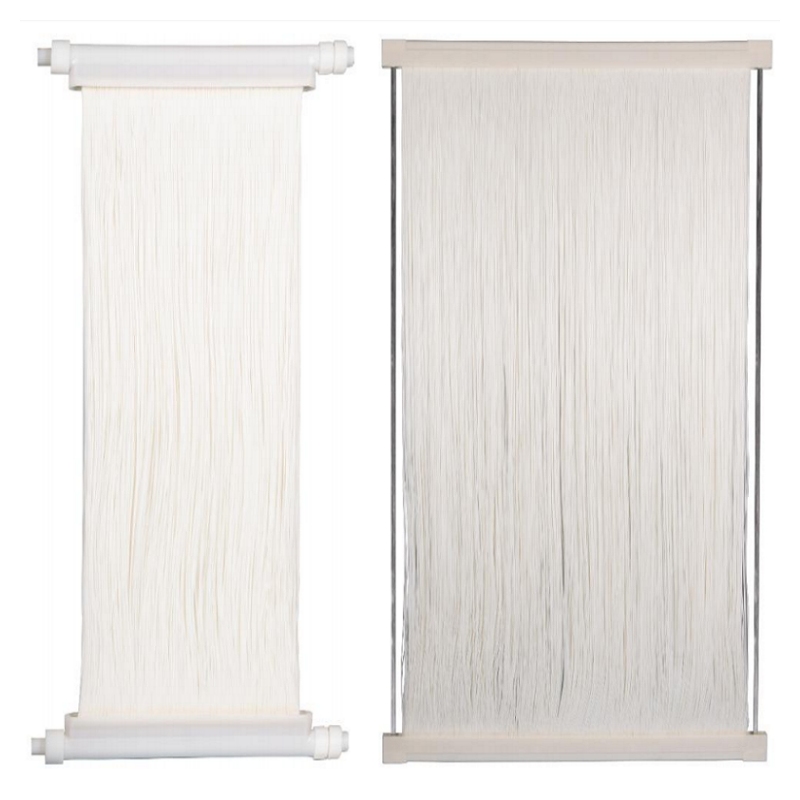
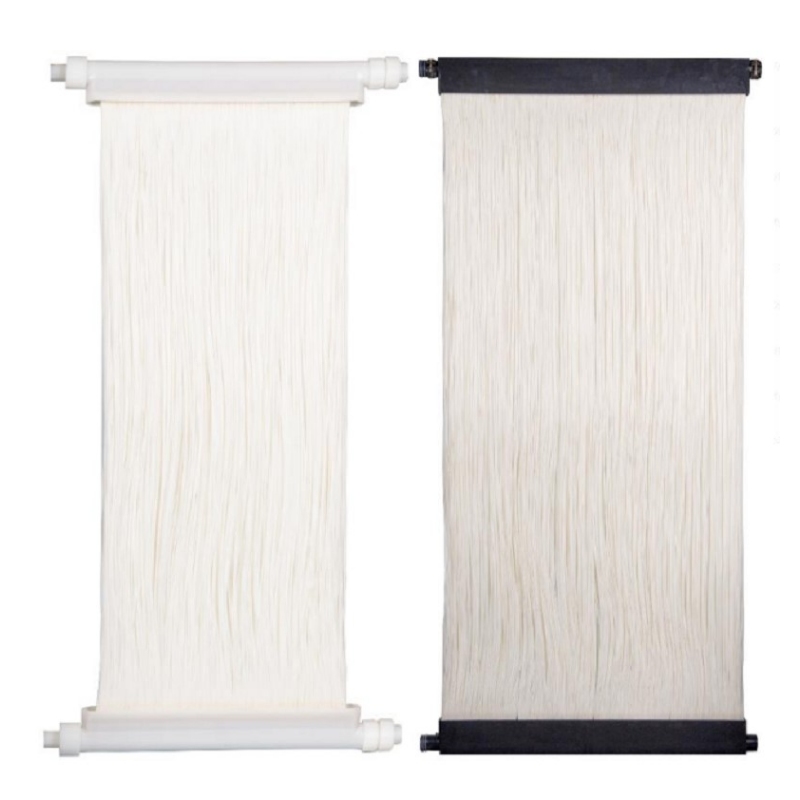
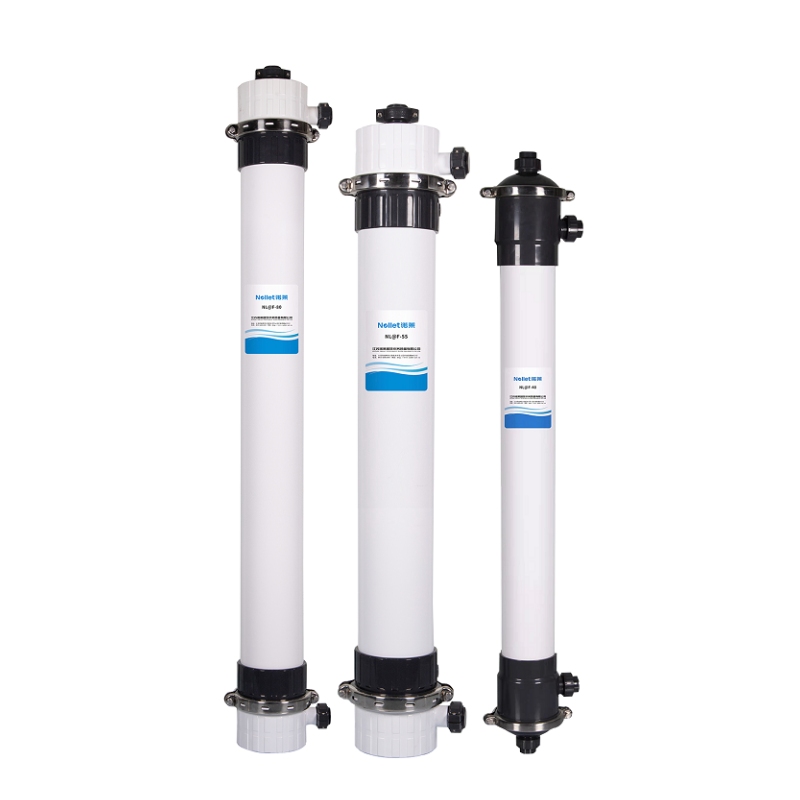
MBR sewage treatment equipment (Membrane Bioreactor) integrates two core processes. The first is biological treatment, where microorganisms break down organic pollutants. The second is membrane filtration, where submerged or external membranes physically separate treated water from biomass. Unlike conventional systems that rely on gravity settling in secondary clarifiers, MBR systems use membrane pores to achieve solid-liquid separation. This integration eliminates the need for a secondary sedimentation tank while producing significantly cleaner effluent.
Key Technical Advantages Driving the Shift
The shift toward MBR sewage treatment equipment is driven by five distinct technical advantages.
Superior Effluent Quality
Membrane filtration ensures near-complete removal of suspended solids, bacteria, and pathogens. Studies comparing conventional activated sludge (CAS) with MBR technology have found that MBR systems remove a significantly higher percentage of pathogenic bacteria. MBR can achieve exceptionally high removal rates, whereas conventional systems typically remove a lower percentage, with considerable variation. MBR-treated water is often almost indistinguishable from tap water, containing very low levels of biochemical oxygen demand (BOD) and total suspended solids (TSS). The integrated membrane separation is far more effective than conventional sedimentation.
Compact Footprint
One of the most immediately visible benefits of MBR sewage treatment equipment is its small physical footprint. By replacing bulky secondary clarifiers with compact membrane modules, MBR systems can reduce plant footprint by approximately half to two-thirds compared to conventional designs. A typical MBR system occupies only half to two-thirds of the land area required by a conventional plant. This space savings is especially critical in urban areas, industrial parks, and other locations where land is scarce or expensive. For plant upgrades where expansion space is limited, MBR retrofitting often represents the only feasible path to higher capacity or stricter effluent standards.
Higher Biomass Concentration and Process Efficiency
MBR systems operate at much higher Mixed Liquor Suspended Solids (MLSS) concentrations than conventional activated sludge plants. Conventional plants typically operate at MLSS levels of about 2,000 to 3,000 mg/L, as settling limitations restrict higher concentrations. In contrast, MBR sewage treatment equipment can effectively treat MLSS concentrations between 8,000 and 12,000 mg/L. This higher biomass concentration enables faster degradation of organic matter, better nitrification performance, and greater volumetric loading capacity, meaning more treatment capacity from the same tank volume.
Reduced Sludge Production
Excess sludge disposal is a major operational expense and environmental concern for any wastewater treatment facility. Because MBR sewage treatment equipment can operate with extended sludge retention times (SRT), it produces substantially less waste sludge than conventional systems. Under certain operating conditions, the system can achieve sludge production rates approaching zero discharge of excess sludge. Less sludge means lower handling, treatment, and disposal costs, as well as a reduced environmental footprint from sludge hauling and land application.
Strong Shock Load Resistance
Wastewater influent quality and flow rate are rarely constant. MBR sewage treatment equipment demonstrates exceptional resilience to shock loads and fluctuations. The equipment can adapt to unstable influent water quality with significant variations in pollutant concentrations and flow volumes. The combination of high MLSS concentration and membrane system provides a substantial buffer against these variations, allowing the plant to continue producing compliant effluent even when incoming wastewater characteristics change suddenly. This robustness is particularly valuable for industrial applications and municipal systems serving rapidly growing communities.
MBR vs. Conventional Activated Sludge — A Side-by-Side Comparison
Comparison Table
| Παράμετρος | Εξοπλισμός Επεξεργασίας Λυμάτων MBR | Συμβατικό Ενεργοποιημένο Λίμνασμα (CAS) |
|---|---|---|
| Solid-liquid separation mechanism | Membrane filtration (physical barrier) | Gravity settling (secondary clarifier) |
| Typical MLSS concentration | 8.000–12.000 mg/L | 2,000–3,000 mg/L |
| Effluent TSS | Near zero | Variable, depends on clarifier performance |
| Effluent pathogen removal | High (membrane barrier) | Moderate (incomplete) |
| Plant footprint | Compact (1/2 to 2/3 of CAS) | Large (requires clarifiers) |
| Excess sludge production | Low (extended SRT) | Higher (shorter SRT) |
| Shock load resistance | Excellent (high biomass buffer) | Moderate to poor |
| Automation capability | High (easily controlled) | Μέτρια |
| Capital cost | Higher upfront | Lower upfront |
| Operating energy consumption | Higher (aeration + membrane scouring) | Lower (aeration only) |
Why These Differences Matter
For a municipality facing stricter discharge permits, MBR sewage treatment equipment offers a path from basic compliance to advanced treatment without major civil works. For an industrial facility needing water reuse, the near-sterile effluent quality opens recycling opportunities. For a rural community with limited skilled operators, the higher automation level reduces reliance on manual monitoring. The trade-offs—higher energy use and upfront cost—are increasingly justified by regulatory pressure, water scarcity, and land constraints.
Real-World Applications Across Sectors
Municipal Wastewater Treatment
Municipalities worldwide are retrofitting existing plants or building new facilities using MBR sewage treatment equipment. The technology is particularly suitable for plants with high effluent quality requirements, such as those discharging into sensitive water bodies, or where treated water will be reused for irrigation, industrial supply, or environmental flow augmentation. Compact MBR designs also enable underground or semi-underground plant configurations.
Βιομηχανική Επεξεργασία Λυμάτων
Industrial wastewater from sectors such as food and beverage, textile, chemical, pharmaceutical, and petrochemical often contains high pollutant loads and significant variability. MBR sewage treatment equipment handles high organic loading and shock loads effectively, while producing effluent clean enough for reuse within the facility, reducing both discharge fees and fresh water demand. A membrane bioreactor is now a widely accepted process for industrial wastewater treatment.
Decentralized and Rural Applications
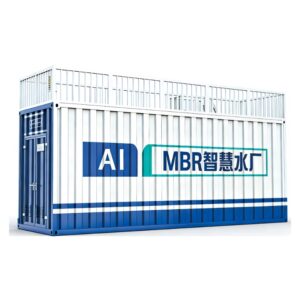
Scattered communities or rural areas where centralized sewer systems are not cost-effective can benefit from packaged MBR sewage treatment equipment in capacities as low as 50–200 cubic meters per day. The small footprint and high automation level make MBR systems well-suited for these contexts. Products like Nollet’s intelligent composite MBR equipment are specifically designed for rural domestic sewage applications.
Water Reuse and Resource Recovery
As water scarcity becomes more acute, water reuse is shifting from an option to a necessity. MBR sewage treatment equipment produces effluent of sufficiently high quality to feed directly into reverse osmosis systems for industrial-grade reuse. MBR is an enabling technology for zero liquid discharge strategies. Membrane bioreactors for municipal wastewater treatment also offer potential benefits, including energy recovery and greenhouse gas mitigation.
Addressing Operational Challenges
No technology is without trade-offs, and MBR sewage treatment equipment has specific operational considerations.
Membrane Fouling
The primary challenge is membrane fouling, where solids, colloids, or microorganisms accumulate on the membrane surface, reducing filtration efficiency over time. Fouling is an inherent challenge that affects membrane permeability and requires ongoing management. Control strategies include optimizing aeration patterns, periodic chemical cleaning, the use of anti-fouling membrane materials, and quorum quenching.
Κατανάλωση Ενέργειας
MBR systems typically consume more energy than conventional activated sludge plants, due to the energy required for aeration and membrane scouring to control fouling. Published data suggest MBR energy use is approximately 0.4 to 1.15 kWh per cubic meter, while CAS processes consume about 0.3 to 0.64 kWh per cubic meter. However, advances in energy-efficient membrane designs, cyclic aeration techniques, and process optimization are steadily closing this gap. For many applications, the benefits of high-quality effluent and a smaller footprint offset the moderate energy premium.
Capital Cost
The upfront capital cost of MBR sewage treatment equipment is generally higher than that of a conventional plant. This higher initial investment must be weighed against reduced land costs, lower sludge disposal expenses, and, in many cases, the ability to sell or reuse treated water. As membrane manufacturing scales up and technology matures, capital costs continue to decline, making MBR increasingly competitive.
Market Trends Accelerating Adoption
Regulatory drivers are accelerating the adoption of MBR sewage treatment equipment globally. The European Union recast its Urban Wastewater Treatment Directive in 2024. The United States updated its National Water Reuse Action Plan in 2025. Across Asia, stricter industrial discharge enforcement is being implemented. These regulations are transforming wastewater treatment infrastructure worldwide.
The global market for membrane bioreactors is projected to grow substantially in the coming years. One estimate suggests the market could nearly double from 2025 to 2030. This growth reflects the technology’s increasing maturity and acceptance.
How to Evaluate MBR Sewage Treatment Equipment for Your Application
Before selecting MBR sewage treatment equipment, consider these factors:
-
Influent characterization — What are typical and peak pollutant loads? How variable is flow?
-
Effluent requirements — Is discharge to surface water, irrigation, industrial reuse, or ultra-pure water systems required?
-
Site constraints — Is the land area limited? Are there height or access restrictions?
-
Operational resources — Are trained operators available on-site, or is fully automatic control required?
-
Lifecycle cost — Consider not only capital cost but also energy, membrane replacement, cleaning chemicals, sludge disposal, and potential water reuse revenues.
Equipment such as Nollet’s intelligent composite MBR system is designed to handle average influent COD concentrations up to 400 mg/L, making it well-suited for rural domestic sewage and similar applications.
Συχνές Ερωτήσεις
Q1: What does MBR sewage treatment equipment remove compared to conventional systems?
MBR systems remove suspended solids, pathogens, BOD, COD, and a high percentage of bacteria, producing much cleaner effluent than conventional clarifier-based systems.
Q2: How often do MBR membranes need to be replaced?
With a membrane lifespan of approximately 10 years under normal operating conditions and proper maintenance, replacement is an infrequent but planned capital expense.
Q3: Is MBR equipment suitable for small-scale applications?
Yes. Systems are available in capacities as low as 50–200 cubic meters per day, making them viable for rural communities, small industrial facilities, and decentralized developments.
Q4: Does MBR sewage treatment equipment eliminate sludge?
No, but it substantially reduces sludge production compared to conventional systems. Under extended SRT conditions, excess sludge output can be minimized to near-zero levels, though some residual solids remain.
Q5: What is the main disadvantage of MBR compared to conventional treatment?
Higher upfront capital cost and higher energy consumption are the primary disadvantages, though both are decreasing as technology advances.
Q6: Can MBR-treated water be reused directly without further treatment?
For many non-potable applications such as irrigation, industrial cooling, and toilet flushing, MBR effluent is suitable without further treatment. For drinking water reuse, reverse osmosis or other advanced polishing steps are typically added.
Getting Started with MBR Technology
Transitioning from conventional treatment to MBR sewage treatment equipment does not have to be an all-or-nothing decision. Many facilities begin with a pilot trial, treating a side stream of their existing plant to validate performance before committing to a full-scale upgrade. Others retrofit their secondary clarifiers into membrane basins, preserving existing civil structures while dramatically improving effluent quality. Consulting with an experienced MBR supplier about your specific influent characteristics, space constraints, and treatment objectives is a low-risk first step.
Συμπέρασμα
Wastewater treatment is being reshaped by increasingly strict discharge standards, growing water scarcity, and the rising cost of available land. These combined pressures are accelerating the shift toward more compact and efficient technologies, with MBR sewage treatment equipment emerging as one of the most widely adopted solutions in modern plant design.
By integrating biological treatment with membrane separation, MBR systems enable stable production of high-quality effluent suitable for reuse, while significantly reducing footprint and sludge output compared with conventional processes. In many cases, this means higher treatment performance within a much smaller installation area.
At the same time, it is important to recognize the trade-offs. Membrane fouling requires regular management, energy demand is higher than in traditional systems, and initial investment costs remain relatively elevated. However, for many municipalities and industrial users, these challenges are increasingly offset by stricter regulations, limited land availability, and the growing value of water reuse.
As membrane technology continues to improve and operational costs gradually decrease, MBR systems are expected to play an even larger role in future wastewater treatment infrastructure.
If you are evaluating whether MBR sewage treatment equipment is suitable for your project, reviewing influent characteristics, site constraints, and reuse objectives is an essential first step before system selection.