
Abstract
Ultrafiltration membrane technology has become a reliable filtration solution for industries requiring efficient water purification, wastewater treatment, and process water management. With increasing regulatory requirements and higher operational demands, industries are looking for UF membrane systems that deliver stable performance, long service life, and cost-effective operation.
This article explores the key applications of ultrafiltration membrane solutions across municipal water treatment, food and beverage, pharmaceutical, and industrial sectors. It also covers membrane selection factors, performance advantages, and procurement considerations to help businesses choose the right UF membrane system for their specific water treatment needs.
1. Understanding Ultrafiltration Membrane Technology
1.1 Core Filtration Principles & Membrane Structure
Ultrafiltration membrane technology uses a pressure-driven filtration process to separate suspended solids, colloids, bacteria, and macromolecules from water based on molecular size. With pore sizes typically ranging from 0.01 to 0.1 μm, UF membranes provide a higher filtration level than microfiltration (MF) while operating at lower pressure than nanofiltration (NF) and reverse osmosis (RO).
Industrial ultrafiltration membrane systems are commonly available in three main configurations:
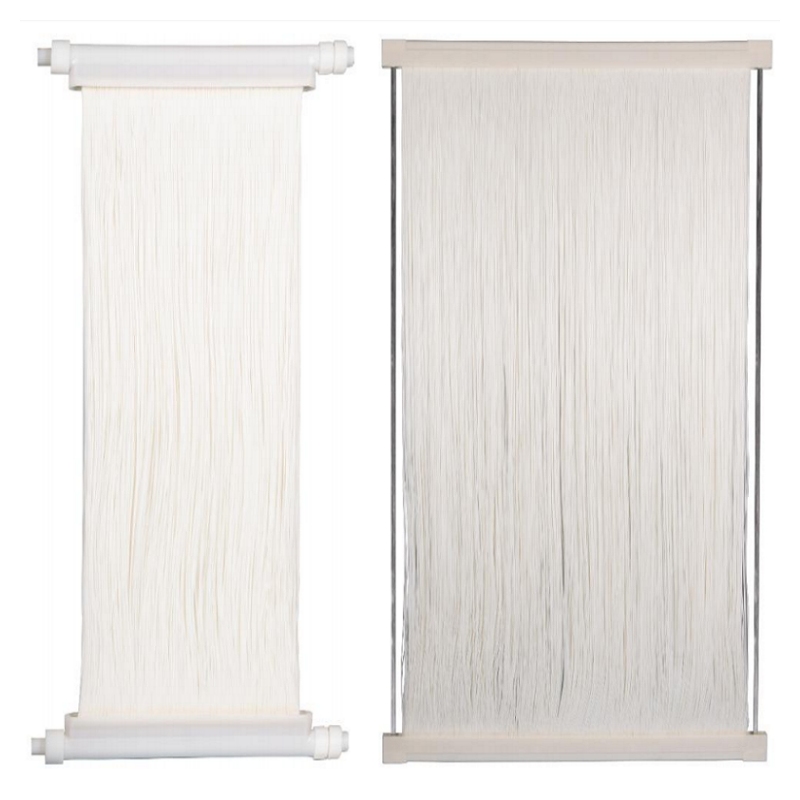
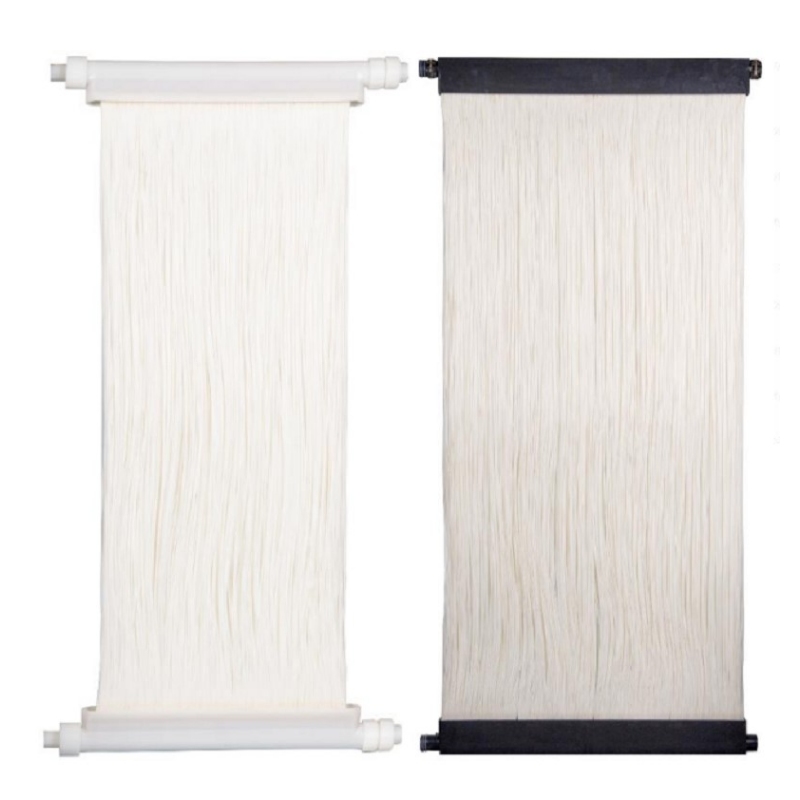
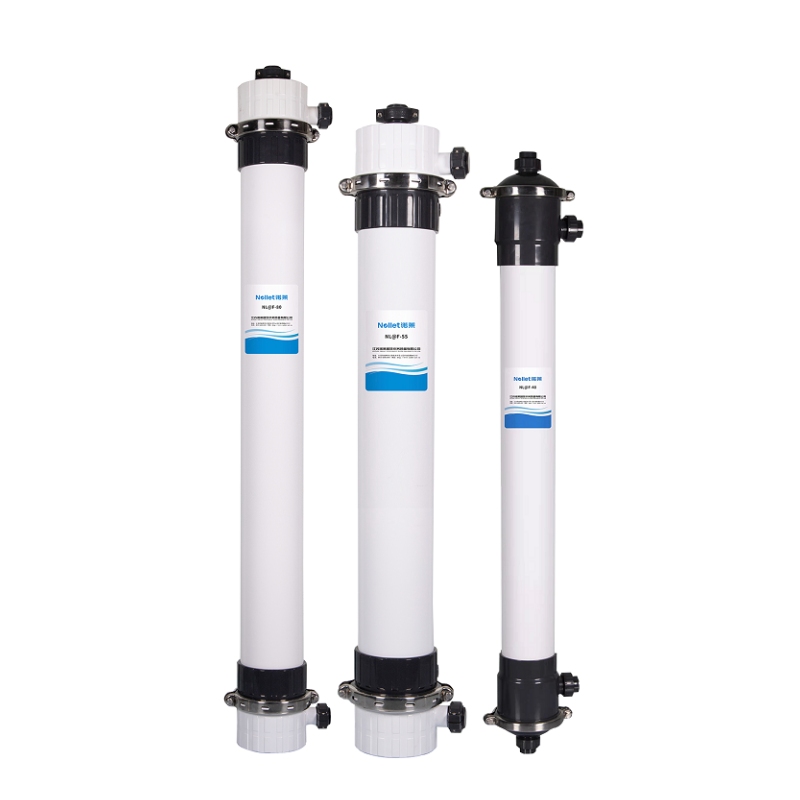
- Hollow Fiber UF Membrane: Consisting of bundles of tubular fibers, this design provides a large filtration area within a compact structure. Its high packing density, effective backwashing capability, and scalability make it widely used in municipal water treatment, wastewater reuse, and industrial filtration applications.
- Flat Sheet UF Membrane: Built with membrane sheets assembled in plate-and-frame or similar structures, this configuration is suitable for applications requiring easier inspection, replacement, and maintenance, including food processing and pharmaceutical filtration.
- Tubular UF Membrane: Designed with larger flow channels, tubular membranes are suitable for high-viscosity or high-solid feed streams where improved fouling resistance is required.
During operation, UF membranes typically require a transmembrane pressure (TMP) of 0.1–5 bar, which is significantly lower than reverse osmosis systems. This lower operating pressure helps reduce energy consumption and supports more cost-efficient long-term water treatment operations.
1.2 Key Performance Specifications
Choosing the right UF membrane system requires careful evaluation of feed water conditions and key membrane performance parameters, including:
- MWCO (Molecular Weight Cut-Off): Measured in Daltons (Da), MWCO indicates the molecular size that a membrane can effectively retain. Industrial UF membranes generally range from 10,000 to 300,000 Da, allowing targeted removal of proteins, endotoxins, microorganisms, and suspended contaminants.
- Flux Rate (LMH): Expressed as liters per square meter per hour, flux represents the amount of water produced through the membrane surface. Typical UF membrane flux rates range from 20 to 200 LMH, depending on feed quality, operating pressure, and temperature.
- Rejection Rate: High-performance UF membranes can achieve over 99.9% bacteria removal and effective reduction of microorganisms when properly selected and operated.
- Transmembrane Pressure (TMP): TMP is an important indicator of membrane fouling and system performance. Regular monitoring helps optimize cleaning cycles and maintain stable filtration efficiency.
| Παράμετρος | Hollow Fiber UF | Flat Sheet UF | Tubular UF |
|---|---|---|---|
| Pore Size | 0.01–0.1 µm | 0.01–0.1 µm | 0.01–0.2 µm |
| Λειτουργική Πίεση | 0.1–3 bar | 0.5–5 bar | 1–5 bar |
| Flux Rate | 40–150 LMH | 20–100 LMH | 20–80 LMH |
| Backwash Compatible | Yes | Περιορισμένη | No |
| Typical Application | Municipal water, MBR | Food processing, pharma | High-solids industrial streams |
| Membrane Lifespan | 5–10 years | 3–7 years | 5–8 years |
2. Top Industries Benefiting from Ultrafiltration Membrane Applications
2.1 Municipal Water Treatment & Wastewater Reuse
Municipal water treatment is one of the largest application areas for ultrafiltration membrane technology. UF membrane systems are widely used for drinking water purification, wastewater reuse, and reverse osmosis (RO) pretreatment because they effectively remove suspended solids, colloids, bacteria, and other contaminants while maintaining stable filtration performance.
In drinking water applications, UF membranes help utilities meet strict water quality requirements by reducing turbidity and microbial contamination. In advanced wastewater treatment plants, hollow fiber ultrafiltration membranes are commonly integrated into membrane bioreactor (MBR) systems, replacing conventional secondary clarification processes with a more compact and efficient solid-liquid separation solution.
MBR-based UF systems enable high-quality reclaimed water production for applications such as:
- Agricultural irrigation
- Industrial cooling systems
- Groundwater recharge
- Non-potable water reuse
Important compliance standards for municipal UF membrane applications include:
- WHO Guidelines for Drinking Water Quality: Requires effective pathogen reduction, including Cryptosporidium and Giardia removal.
- US EPA LT2 Enhanced Surface Water Treatment Rule: Provides removal credits for validated UF filtration systems.
- EU Drinking Water Directive (2020/2184): Defines strict turbidity and microbial control requirements.
With consistent turbidity reduction and high microorganism removal efficiency, UF membranes have become a preferred filtration solution for municipalities seeking reliable water quality control and long-term operational stability.
2.2 Food & Beverage Processing
The food and beverage industry relies on ultrafiltration membrane systems for applications that require precise separation, product recovery, and improved process efficiency.
In dairy processing, UF membranes are widely used for whey protein concentration, milk standardization, and ingredient recovery. Their selective filtration capability allows valuable proteins to be retained while smaller molecules such as water and lactose pass through, improving production yield and resource utilization.
UF membranes are also applied in juice clarification, beverage processing, and other food filtration processes where consistent product quality and hygienic operation are required.
For food-grade applications, membrane materials and system designs must comply with relevant standards, including food contact safety requirements and sanitary processing regulations.
2.3 Pharmaceutical, Biotechnology, and Industrial Process Water
In pharmaceutical and biotechnology manufacturing, Τεχνολογία μεμβρανών UF plays an important role in high-purity filtration processes, including protein concentration, virus removal, endotoxin reduction, and water treatment applications.
Pharmaceutical UF systems require precise membrane selection to balance contaminant removal efficiency and product recovery. For example, membranes with suitable molecular weight cut-off (MWCO) ranges are selected to retain target molecules while maintaining stable production efficiency.
In semiconductor manufacturing and other advanced industries, UF membranes are used in ultra-pure water (UPW) production to remove sub-micron particles, bacteria, and organic contaminants. Industrial facilities also use UF pretreatment systems to protect downstream RO membranes, ion exchange systems, and other purification equipment from fouling.
Typical industrial applications include:
- Semiconductor process water treatment
- Boiler feed water purification
- Cooling tower water management
- Chemical manufacturing processes
- Industrial wastewater reuse
3. Evaluating Ultrafiltration Membrane Solutions for Industrial Procurement
3.1 Selection Criteria: Material, Compatibility & Regulatory Standards
Selecting the right ultrafiltration membrane solution requires more than comparing initial costs. Membrane material directly affects chemical resistance, cleaning performance, operating lifespan, and suitability for different water treatment applications.
The most common UF membrane materials include:
PVDF (Polyvinylidene Fluoride) Ultrafiltration Membrane
PVDF is widely recognized as one of the most durable materials for industrial ultrafiltration membrane systems. It offers excellent resistance to chlorine, acids, and alkaline chemicals, allowing frequent cleaning-in-place (CIP) operations without significant performance degradation.
Due to its mechanical strength and chemical stability, PVDF ultrafiltration membranes are commonly used in:
- Municipal drinking water treatment
- Membrane bioreactor (MBR) systems
- Industrial wastewater treatment
- RO pretreatment applications
PES (Polyethersulfone) Ultrafiltration Membrane
PES membranes provide high hydrophilicity and strong filtration performance with relatively lower fouling tendency. Their good biocompatibility makes them suitable for applications requiring strict hygiene and material safety requirements.
Common applications include:
- Pharmaceutical water purification
- Food and beverage processing
- Biotechnological filtration processes
Cellulose Acetate (CA) Ultrafiltration Membrane
Cellulose acetate is a cost-effective membrane material used for applications with moderate operating requirements. However, compared with PVDF and PES membranes, CA has lower chemical resistance and a narrower operating pH range, which limits its use in demanding industrial environments.
Critical certifications to verify before supplier qualification:
| Certification | Relevance |
|---|---|
| NSF/ANSI 61 | Drinking water contact safety (US market) |
| CE Marking | Compliance with EU machinery/pressure equipment directives |
| ISO 9001 | Quality management system for manufacturing |
| FDA 21 CFR | Food and pharmaceutical contact compliance |
| WRAS (UK) | Water regulations advisory scheme approval |
3.2 Total Cost of Ownership & Operational Efficiency
Procurement decisions based solely on unit membrane price systematically underestimate true operational costs. A rigorous TCO analysis for UF membrane systems should account for:
- Κατανάλωση Ενέργειας: UF systems operating at 0.5–2 bar consume 0.1–0.4 kWh/m³ of permeate — approximately 5–10× less than RO systems. This differential compounds significantly over a 7-year membrane lifespan.
- Cleaning-in-Place (CIP) Frequency & Chemical Costs: PVDF membranes tolerate more aggressive and less frequent CIP cycles, reducing chemical consumption and downtime. Systems with optimized backwash protocols can extend CIP intervals to 30–90 days.
- Membrane Lifespan: Premium hollow fiber PVDF modules rated for 7–10 years of service reduce replacement frequency and associated labor costs versus lower-grade alternatives rated at 3–5 years.
- ROI vs. Conventional Filtration: Compared to multimedia sand filtration, UF systems deliver 40–60% reduction in footprint, eliminate coagulant chemical dosing in many applications, and produce consistently superior effluent quality — translating to lower downstream fouling and longer RO membrane life where applicable.
Συχνές Ερωτήσεις
Q1: What is the recommended ultrafiltration membrane pore size for removing bacteria and viruses?
For bacteria removal, UF membranes with pore sizes around 0.01–0.1 μm are commonly used. Virus removal typically requires tighter MWCO specifications. Always verify supplier performance through validated testing rather than relying only on nominal pore size.
Q2: How do I choose an ultrafiltration membrane for high-turbidity water?
For high-turbidity applications, outside-in hollow fiber PVDF UF membranes with backwashing and air-scouring capabilities are often preferred. Evaluate long-term flux stability, fouling resistance, and pilot test results under similar operating conditions.
Q3: What certifications should a UF membrane supplier provide?
A reliable UF membrane supplier should provide certifications such as ISO 9001, NSF/ANSI 61, and FDA 21 CFR compliance where applicable. Additional certifications, including CE or WRAS, may be required for specific regional markets.
Q4: How long does an ultrafiltration membrane typically last?
A high-quality UF membrane system can typically operate for 5–10 years depending on feed water quality, cleaning procedures, operating conditions, and maintenance practices. Proper system design helps extend membrane service life.
Q5: What is the difference between a UF membrane and an RO membrane?
UF membranes mainly remove suspended solids, bacteria, and macromolecules, while RO membranes remove dissolved salts and ions. UF is often used as RO pretreatment to improve system stability and reduce fouling risks.
Q6: Which ultrafiltration membrane material is best for industrial applications?
PVDF is commonly selected for industrial UF membrane systems because of its excellent chemical resistance, mechanical strength, and long service life. PES is preferred for applications requiring higher hydrophilicity and biocompatibility.
Συμπέρασμα
Ultrafiltration membrane technology provides reliable filtration solutions for a wide range of industries, including municipal water treatment, food and beverage processing, pharmaceutical manufacturing, and industrial wastewater reuse. With low operating pressure, high contaminant removal efficiency, and flexible system configurations, UF membranes help industries achieve stable water quality and efficient long-term operation.
When selecting an ultrafiltration membrane solution, buyers should consider key factors such as membrane material, chemical compatibility, certifications, operating conditions, and total cost of ownership. Choosing the right membrane design and material, such as PVDF for demanding industrial applications, can improve system durability and reduce maintenance requirements.
Working with an experienced UF membrane supplier ensures access to reliable products, technical support, and application-specific recommendations. By evaluating feed water conditions, flow requirements, and treatment goals, companies can select the most suitable UF membrane system for their projects.