
Abstract
Membrane fouling remains the single greatest operational challenge in pressure-driven filtration systems. For engineers designing municipal water treatment plants, industrial wastewater systems, or seawater pretreatment facilities, fouling directly translates into increased chemical costs, unplanned downtime, and shortened membrane service life.
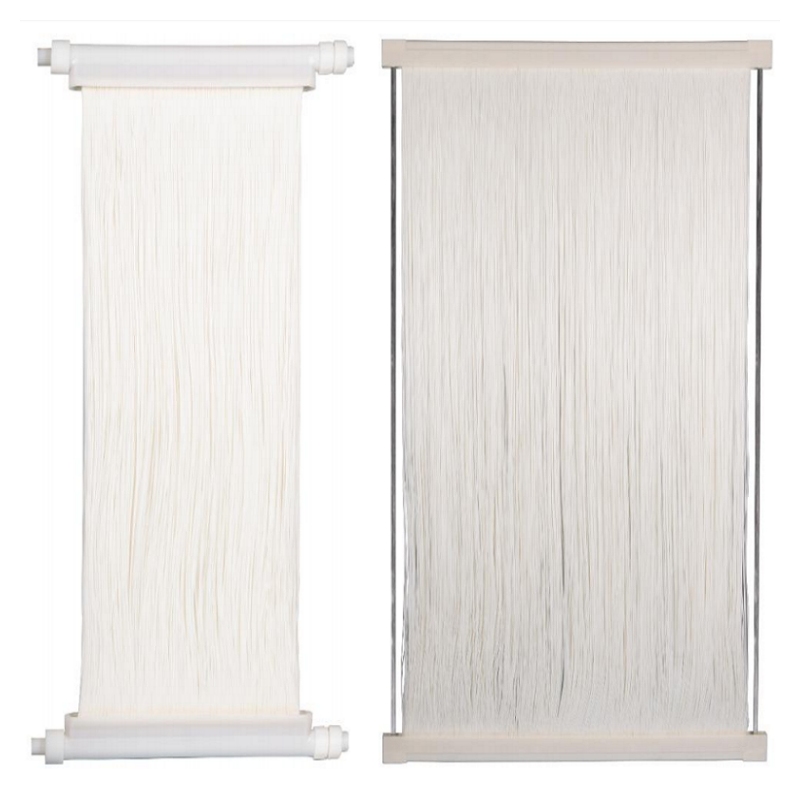
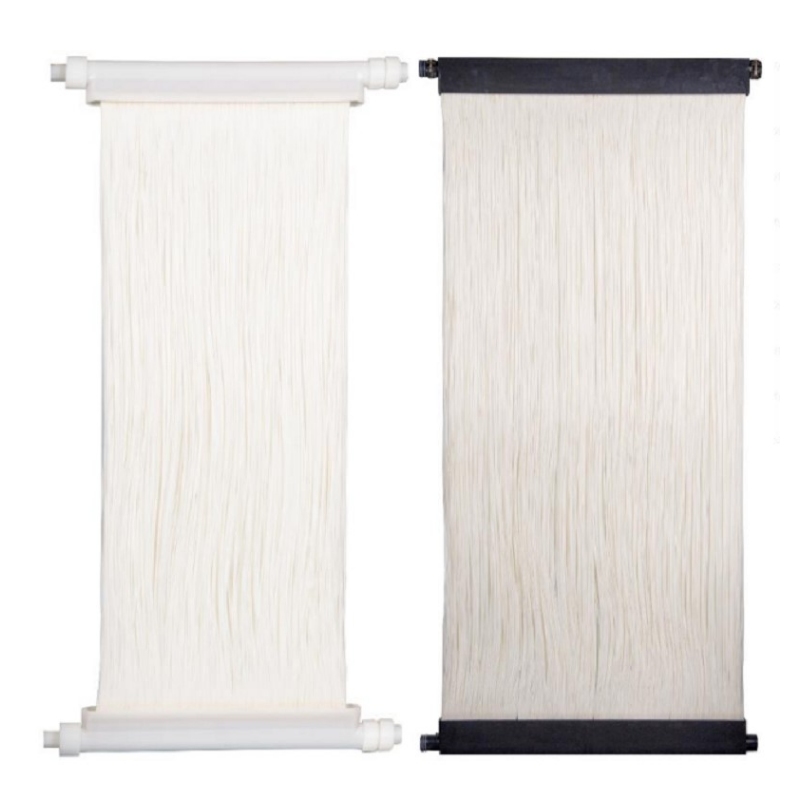
The modul membran luar ke dalam addresses this challenge through a fundamentally different hydraulic geometry compared to conventional inside-out configurations. By directing feed water from the outer fiber surface inward, the design distributes foulant load across a significantly larger contact area, delays pore blockage, and enables more effective physical backwashing. When combined with disciplined operating parameter management and structured cleaning protocols, outside-in modules deliver measurable reductions in fouling frequency and severity.
This article provides a technical examination of the mechanisms behind fouling resistance in outside-in membrane modules — covering flow path geometry, material selection, critical operating variables, and backwashing strategies — with direct reference to commercial outcomes relevant to procurement engineers and plant operators.
1. The Outside-in Flow Path: Structural Advantages for Fouling Control
1.1 How Outside-in Filtration Geometry Limits Foulant Accumulation
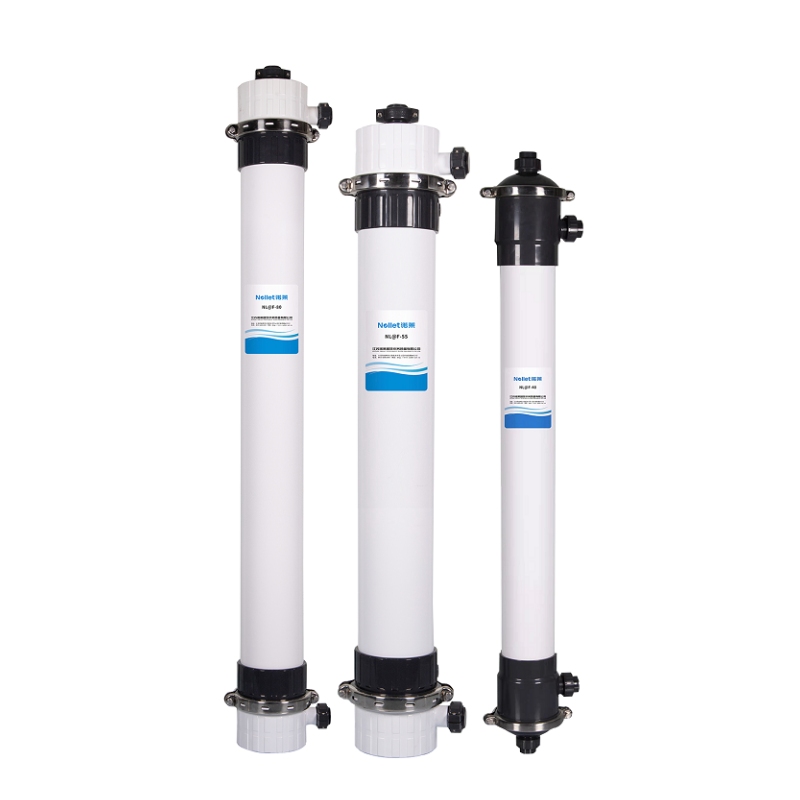
In an inside-out hollow fiber module, feed water enters through the narrow fiber lumen — typically 0.6–1.0 mm in diameter. Foulants concentrate immediately at the inner surface, and as the cake layer builds, the effective flow channel narrows, accelerating transmembrane pressure (TMP) rise. Recovery through backwashing becomes progressively less efficient as foulants compact within the confined lumen space.
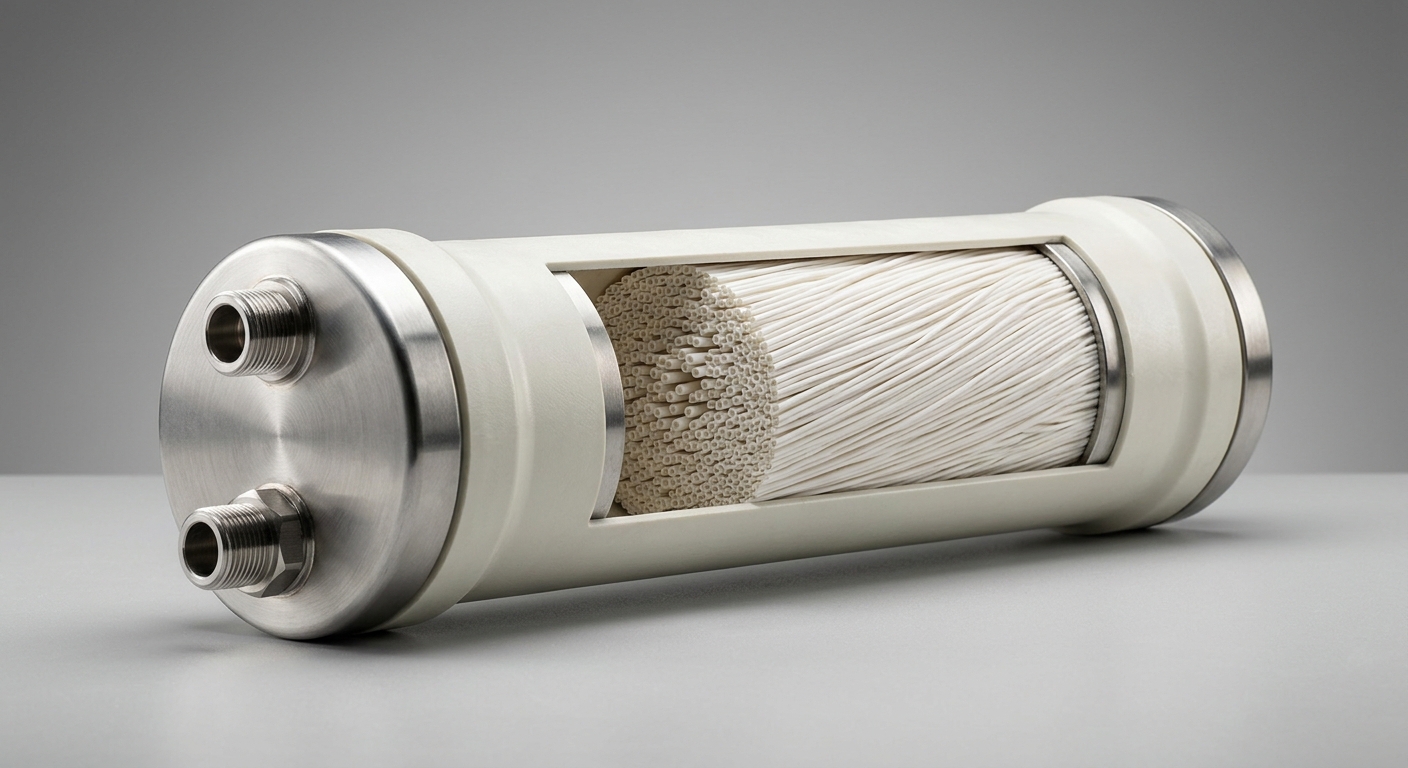
Outside-in filtration reverses this geometry. Feed water contacts the outer surface of each hollow fiber, where the available filtration area is substantially larger than the lumen bore. This distributes the foulant load across a greater surface area per unit module volume, reducing local flux density at any given point on the membrane surface. The result is a slower rate of cake layer formation and a lower initial TMP for equivalent throughput conditions.
Additionally, the open-shell design of outside-in modules allows foulant particles to settle or be swept away from the fiber bundle rather than becoming trapped within a confined channel. This is particularly advantageous when processing feed waters with variable turbidity or high suspended solids loads — conditions common in surface water treatment and industrial effluent applications.
1.2 Membrane Material and Pore Structure as Fouling Determinants
Material selection governs long-term fouling resistance as much as flow geometry. PVDF (polyvinylidene fluoride) is the dominant material for outside-in hollow fiber membranes due to its chemical resistance, mechanical strength, and compatibility with oxidative cleaning agents including sodium hypochlorite. PES (polyethersulfone) offers higher hydrophilicity in base form but requires surface modification to match PVDF’s chlorine tolerance.
Hydrophilicity is a critical surface property. Hydrophobic membrane surfaces attract organic macromolecules — humic acids, proteins, polysaccharides — through non-specific adsorption, initiating irreversible fouling. Hydrophilic surface modification, achieved through blending hydrophilic polymers or applying surface coatings during manufacturing, reduces this adsorption tendency and improves organic fouling reversibility.
Pore size uniformity directly affects colloidal fouling behavior. Membranes with narrow pore size distribution (typically 0.01–0.1 µm for UF-range outside-in modules) resist pore penetration by colloidal particles that would otherwise lodge irreversibly within the membrane matrix. Tight pore geometry combined with hydrophilic surface chemistry creates a fouling-resistant profile suited to both biological and inorganic foulant challenges.
2. Operating Parameters That Directly Influence Fouling Risk
2.1 Flux Rate, TMP, and Cross-flow Velocity — Critical Control Variables
Operating above the sustainable flux threshold is the most common cause of accelerated fouling in outside-in systems. Sustainable flux is defined as the flux below which TMP increase over time is negligible — typically 20–60 LMH (liters per square meter per hour) for UF outside-in modules treating surface water, depending on feed quality and temperature.
TMP monitoring provides the primary real-time fouling indicator. A TMP rise exceeding 0.5–1.0 bar above baseline within a single filtration cycle signals cake layer accumulation that requires immediate backwash intervention. Operating at consistently elevated TMP accelerates compaction of the fouling layer, converting reversible fouling into irreversible fouling that backwashing cannot address.
Cross-flow velocity in outside-in configurations generates shear forces along the fiber outer surface that physically displace loosely attached foulants before they consolidate. Maintaining adequate shell-side flow velocity — typically 0.5–2.0 m/s depending on module design — is a cost-effective fouling mitigation strategy that reduces backwash frequency requirements.
2.2 Feed Water Pretreatment Requirements and Their Impact on Fouling Frequency
Outside-in modules tolerate higher feed turbidity than inside-out designs, but pretreatment remains essential for optimal performance. Upstream coagulation and flocculation reduce colloidal and dissolved organic load, directly lowering fouling rate at the membrane surface. Target SDI (Silt Density Index) values below 5 and turbidity below 10 NTU at module inlet represent standard benchmarks for outside-in UF applications.
| Operating Parameter | Recommended Range | Fouling Risk Level | Impact on Membrane Lifespan |
|---|---|---|---|
| Flux Rate | 20–50 LMH | Low–Medium | High — exceeding sustainable flux accelerates irreversible fouling |
| TMP | 0.1–0.5 bar | Rendah | High — sustained high TMP compacts fouling layers |
| Feed TSS | < 50 mg/L (with pretreatment) | Medium | Medium — high TSS increases backwash frequency |
| pH Range | 5–9 (operation); 2–12 (CIP) | Low within range | Medium — extremes degrade membrane polymer over time |
| Temperature | 5–40°C | Low–Medium | Medium — high temperature increases biological fouling rate |
| Backwash Interval | 20–60 minutes | Low with correct interval | High — delayed backwash converts reversible to irreversible fouling |
pH management is frequently underestimated. Feed water outside the pH 5–9 operating range accelerates organic fouling through altered charge interactions between foulants and the membrane surface. Temperature elevation above 35°C promotes biological growth within the module, introducing biofouling as an additional fouling mechanism requiring specific chemical treatment.
3. Backwashing Strategies for Long-Term Fouling Mitigation
3.1 Physical Backwash Protocols — Frequency, Duration, and Pressure Design
Physical backwashing is the primary tool for maintaining outside-in module performance between chemical cleaning cycles. Backwash involves reversing permeate flow through the membrane from the lumen side outward, dislodging the cake layer accumulated on the outer fiber surface. The outside-in geometry is inherently advantageous here: backwash water exits through the same large outer surface area that collected the foulants, distributing the hydraulic cleaning force evenly across the fiber bundle.
Standard backwash protocols specify intervals of 20–60 minutes at 1.5–3× the operating flux for 30–90 seconds per cycle. Air-assisted backwash — introducing pressurized air simultaneously with backwash water — significantly improves cake layer removal efficiency by creating turbulent conditions within the fiber bundle that water alone cannot achieve. This is particularly effective for removing loosely bound biological and particulate foulants.
Distinguishing reversible from irreversible fouling is critical for protocol design. If TMP returns to baseline after a standard backwash cycle, fouling is reversible and the protocol is adequate. Persistent TMP elevation after backwash indicates irreversible fouling requiring chemical intervention.
3.2 Chemical Enhanced Backwash (CEB) and Cleaning-in-Place (CIP) Selection
Chemical Enhanced Backwash (CEB) introduces low-concentration chemical solutions during the backwash cycle, targeting specific foulant chemistries without requiring a full system shutdown. Sodium hypochlorite (NaOCl) at 50–200 mg/L addresses biological fouling and organic matter oxidation. Citric acid at 0.2–0.5% targets inorganic scaling from calcium carbonate and metal hydroxides. Caustic (NaOH) at pH 11–12 saponifies fatty acids and disperses colloidal organic foulants.
CEB frequency is typically set at 1–3 cycles per day depending on feed water characteristics, representing a significant operational advantage over systems requiring full CIP shutdowns. Cleaning-in-Place (CIP) protocols are reserved for severe fouling events, typically employing higher reagent concentrations and extended soak times. CIP frequency directly impacts membrane polymer degradation — particularly for chlorine-based cleaning — making material selection (PVDF preferred for chlorine tolerance) a long-term integrity consideration.
4. Commercial and Operational Value for Industrial Procurement
4.1 Fouling Resistance as a Total Cost of Ownership (TCO) Factor
Fouling resistance translates directly into quantifiable cost reduction across three primary categories. First, chemical consumption: systems with effective physical backwash protocols require CEB interventions 30–50% less frequently than poorly optimized systems, reducing annual reagent costs proportionally. Second, operational downtime: each CIP event typically requires 4–8 hours of system shutdown; reducing CIP frequency from monthly to quarterly represents hundreds of operational hours recovered per year in large-scale installations. Third, membrane replacement cycles: outside-in modules operating within recommended flux and TMP ranges with structured backwash protocols routinely achieve 7–10 year service lifespans — a critical metric for capital expenditure planning.
For procurement engineers building TCO models, the relevant comparison is not module purchase price alone but the annualized cost of chemicals, labor, downtime, and replacement frequency over a 10-year operational horizon.
4.2 Industry Application Scenarios and Module Selection Criteria
Outside-in membrane modules serve distinct fouling profiles across major application categories:
- Municipal drinking water treatment: High variability in seasonal turbidity and organic load favors outside-in geometry for its tolerance to feed quality fluctuation and efficient air-assisted backwash capability.
- MBR (Membrane Bioreactor) systems: High mixed liquor suspended solids (MLSS) concentrations of 8,000–15,000 mg/L require the large outer surface area and robust backwash recovery characteristic of outside-in configurations.
- Seawater pretreatment for RO: SDI reduction ahead of reverse osmosis membranes demands consistent colloidal removal; outside-in UF modules provide reliable SDI < 3 output with manageable fouling control requirements.
- Industrial wastewater: Variable foulant composition — oils, surfactants, heavy metals — benefits from outside-in modules’ compatibility with aggressive CIP chemistries and wide pH cleaning ranges.
FAQ
Q1: What feed water quality conditions are required before installing an outside-in membrane module to minimize fouling risk?
Feed water should target turbidity below 10 NTU and SDI below 5 at module inlet. Upstream coagulation, sedimentation, or media filtration is recommended for surface water sources exceeding these thresholds. TSS loads above 50 mg/L significantly increase backwash frequency and should be addressed through pretreatment design.
Q2: How do I determine the optimal backwash frequency and pressure for my specific outside-in membrane system?
Begin with the manufacturer’s baseline protocol — typically 30-minute filtration cycles with 60-second backwash at 1.5–2× operating flux. Monitor TMP trend data over the first 2–4 weeks of operation and adjust interval length based on TMP recovery efficiency. If TMP does not return to within 10% of baseline after backwash, reduce the interval or introduce CEB.
Q3: What are the early warning indicators of irreversible fouling in an outside-in module, and how should operators respond?
The primary indicator is persistent TMP elevation that does not recover to baseline after standard physical backwash. Secondary indicators include declining normalized permeability over consecutive filtration cycles and increased pressure differential across the module shell. Immediate response should include CEB with appropriate reagent selection based on suspected foulant type, followed by performance benchmarking against pre-fouling baseline data.
Modul membran terendam merupakan pergeseran paradigma dalam pengolahan air, memberikan hasil unggul dalam skenario yang menuntut tapak kompak, kualitas effluent stabil, penggunaan energi rendah, dan ketahanan fouling yang kuat. Dari sistem MBR kota dan penggunaan ulang air industri hingga produksi air minum dan pengolahan air limbah TPA, modul ini unggul dibandingkan proses konvensional dan teknologi membran bertekanan dalam aplikasi yang paling menantang.
The outside-in membrane module’s fouling resistance advantage originates from a combination of structural geometry, material properties, and operational discipline. The larger outer fiber surface distributes foulant load more effectively than inside-out configurations, while hydrophilic PVDF construction reduces organic adsorption and supports aggressive chemical cleaning without compromising membrane integrity.
Sustained performance requires operating within defined flux and TMP thresholds, maintaining adequate feed pretreatment, and executing structured backwash protocols that distinguish reversible from irreversible fouling before the latter becomes dominant. When these parameters are managed systematically, outside-in modules deliver extended service lifespans, reduced chemical consumption, and lower unplanned downtime — outcomes that translate directly into favorable total cost of ownership for municipal, industrial, and seawater treatment applications.
For procurement engineers, the outside-in module’s fouling resistance profile is not simply a technical specification — it is a quantifiable operational asset that justifies its selection in demanding, high-fouling-potential environments.