
はじめに
An Ultrafiltration Membrane provides reliable microorganism removal and fine particle separation by using precisely controlled pore structures to create an effective physical barrier. It is widely used in water treatment applications where stable filtration performance, consistent water quality, and operational reliability are critical.
However, membrane performance is influenced by more than pore size alone. Material selection, system design, operating conditions, and maintenance practices all determine filtration efficiency and service life. Understanding these factors helps industries select the right ultrafiltration solution for applications such as drinking water treatment, pharmaceutical production, food processing, and industrial water reuse.
Why Does an Ultrafiltration Membrane Play a Critical Role in Pathogen Removal?
Water contamination is becoming more complex as industrial processes, municipal treatment requirements, and commercial applications demand higher purification standards. Traditional filtration methods can remove larger particles, but they often struggle with microorganisms and fine suspended impurities.
An Ultrafiltration Membrane works through a physical separation process based on membrane pore size. It creates a selective barrier that allows water molecules and small dissolved substances to pass while retaining bacteria, colloids, suspended solids, and many microorganisms.
Unlike conventional filtration media that rely mainly on depth filtration, membrane separation provides more consistent performance because contaminants are retained on the membrane surface rather than being randomly trapped throughout a filter layer.
The pathogen removal capability of an Ultrafiltration Membrane depends on several factors:
- Membrane pore size and distribution consistency
- Material characteristics and surface properties
- Operating pressure and flow conditions
- Feed water quality
- Cleaning and maintenance procedures
For applications such as drinking water treatment, pharmaceutical manufacturing, food processing, and industrial wastewater recycling, filtration reliability is not only about removing visible particles. It is about maintaining stable protection against microbial risks throughout continuous operation.
A well-designed membrane system can significantly reduce microbial contamination risks while improving downstream treatment efficiency.
How Does an Ultrafiltration Membrane Achieve High-Efficiency Separation?
The working principle behind ultrafiltration is relatively straightforward. Water passes through a membrane layer under pressure, while contaminants larger than the membrane pores are retained.
Most ultrafiltration systems operate using membranes with pore sizes typically ranging from approximately 0.01 to 0.1 microns. This range enables effective removal of many bacteria, suspended solids, and macromolecules while allowing water and low-molecular-weight compounds to pass through.
The separation process usually involves three key mechanisms:
Size Exclusion Creates a Reliable Filtration Barrier
The primary function of an Ultrafiltration Membrane is size-based separation. When contaminated water enters the membrane module, particles larger than the membrane pores cannot pass through.
This mechanism is especially valuable for removing:
- Bacteria and microbial particles
- Suspended solids
- Turbidity-causing substances
- Colloidal materials
- Organic macromolecules
Because the filtration process does not depend on chemical reactions, it provides stable performance with fewer additional treatment chemicals.
Surface Filtration Improves Contaminant Control
During operation, retained contaminants accumulate on the membrane surface and form a filtration layer. This layer can further improve separation efficiency but may also increase resistance if not properly managed.
Modern membrane systems are designed with optimized surface structures to reduce fouling and maintain water flow.
Important design considerations include:
- Hydrophilic membrane surfaces for better water permeability
- Improved resistance against organic fouling
- Enhanced mechanical strength for repeated cleaning cycles
Pressure-Driven Operation Supports Continuous Treatment
Ultrafiltration systems typically operate at relatively low transmembrane pressure compared with reverse osmosis systems. This reduces energy consumption while maintaining effective filtration.
For industrial users, lower energy demand can contribute to reduced operating costs and improved sustainability performance.
What Materials and Designs Make an Ultrafiltration Membrane More Reliable?
Membrane material selection directly influences filtration performance, chemical resistance, mechanical durability, and service life.
Different industries require different membrane characteristics. A municipal water treatment plant may prioritize high throughput and long-term stability, while pharmaceutical or food processing facilities may focus more on contamination control and cleaning compatibility.
Common ultrafiltration membrane materials include:
| Membrane Material | Key Characteristics | Common Applications |
|---|---|---|
| PVDF | High mechanical strength, chemical resistance, excellent durability | Industrial water treatment, wastewater reuse |
| PES | Good permeability and stable filtration performance | Food processing, pharmaceutical processes |
| PAN | Strong chemical stability and good hydrophilicity | Water purification and industrial separation |
| Ceramic Materials | Excellent temperature and chemical resistance | High-demand industrial filtration environments |
PVDF membranes are widely used because they combine durability with resistance to harsh operating environments. They are often selected for applications where frequent cleaning and long service periods are required.
PES membranes are valued for their smooth filtration performance and compatibility with applications requiring reliable separation efficiency.
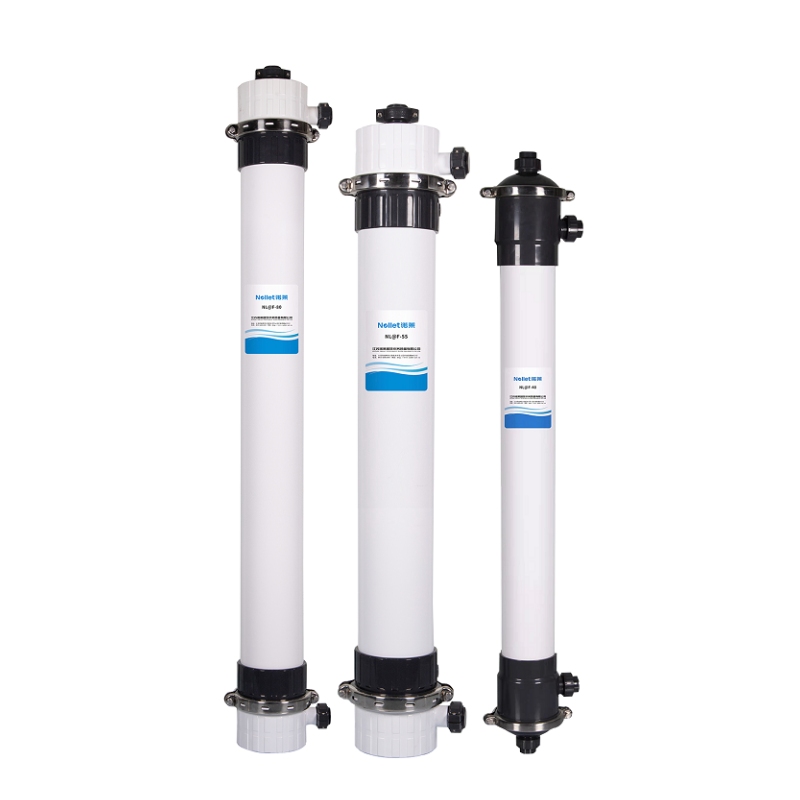
Beyond material selection, membrane structure also affects system performance. Hollow fiber, flat sheet, and tubular designs each provide different advantages.
Hollow Fiber Designs Improve Filtration Efficiency
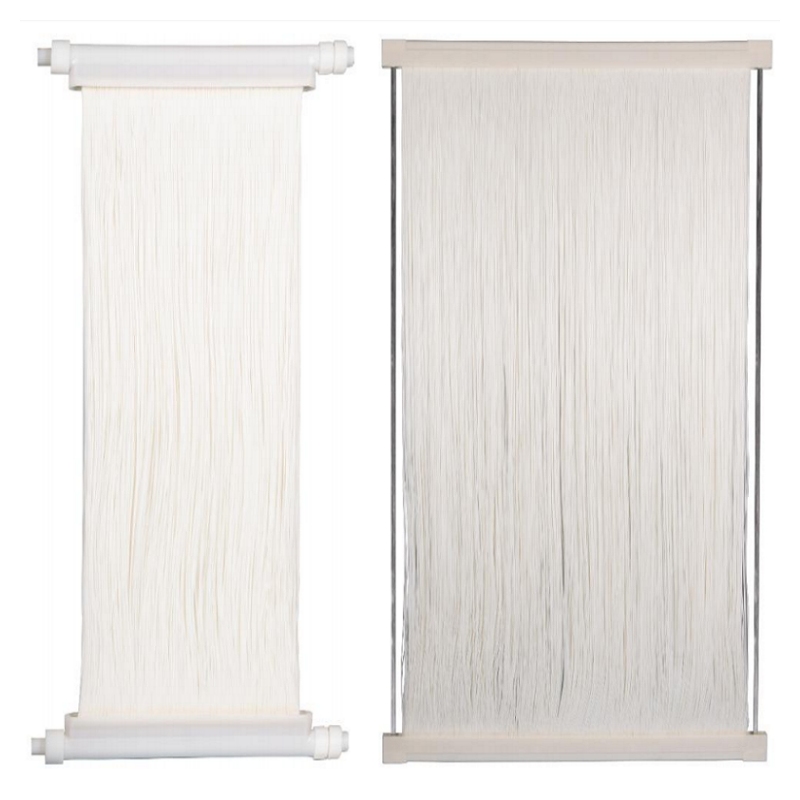
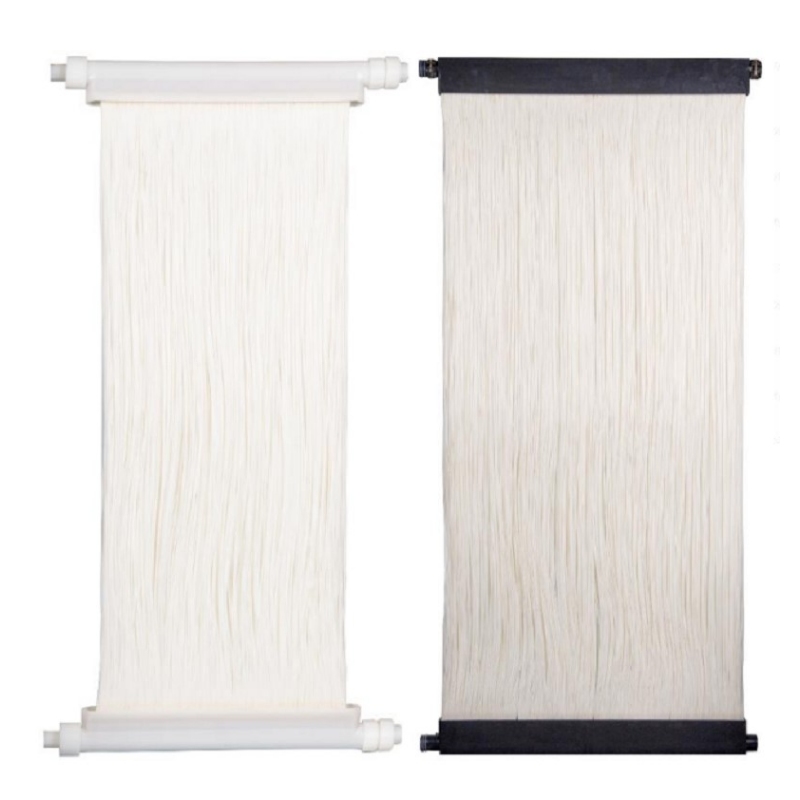
Hollow fiber membranes contain numerous tiny filtration channels inside fiber structures. This design provides a large membrane surface area within a compact module.
Advantages include:
- High packing density
- Efficient water processing capacity
- Compact equipment design
- Lower installation requirements
This makes hollow fiber configurations popular in municipal water treatment, industrial wastewater recovery, and commercial purification systems.
Advanced Surface Treatment Helps Reduce Fouling
Membrane fouling is one of the biggest challenges affecting long-term operation. Organic matter, microorganisms, and suspended particles can gradually accumulate on the membrane surface.
To address this issue, manufacturers often optimize membrane surfaces through:
- Hydrophilic modification
- Anti-fouling coating technologies
- Improved pore uniformity
- Enhanced surface smoothness
These improvements help maintain stable flux performance and reduce cleaning frequency.
Which Industries Benefit Most from Using an Ultrafiltration Membrane?
The demand for reliable filtration solutions continues to grow across multiple industries because water quality directly affects product safety, equipment performance, and regulatory compliance.
An Ultrafiltration Membrane is commonly applied in environments where consistent contaminant removal is required.
Municipal and Drinking Water Treatment
Public water systems need dependable technologies to control microbial contamination and improve water clarity.
Ultrafiltration is often used as:
- A primary filtration step
- A pretreatment process before reverse osmosis
- A polishing treatment for improved water quality
Compared with traditional sand filtration, membrane technology provides more precise separation and requires less physical space.
Food and Beverage Processing
Food manufacturers rely on stable water quality because water directly influences production safety and product consistency.
Applications include:
- Beverage water purification
- Dairy processing
- Ingredient water treatment
- Process water recycling
For these industries, filtration systems must maintain hygiene standards while minimizing production interruptions.
Pharmaceutical and Healthcare Applications
Pharmaceutical production requires strict control over impurities and microorganisms. Filtration systems are commonly integrated into water preparation processes to support high-quality manufacturing environments.
Important requirements include:
- Consistent filtration accuracy
- Easy cleaning procedures
- Stable operation under controlled conditions
Industrial Wastewater Recycling
Many manufacturers are seeking ways to reuse process water and reduce wastewater discharge.
Ultrafiltration technology can help separate:
- Suspended pollutants
- Oils and emulsified materials
- Biological contaminants
- High-molecular-weight substances
This enables more efficient wastewater recovery and supports resource conservation goals.
How to Select the Right Ultrafiltration Membrane?
Selecting a membrane system requires more than comparing filtration ratings. Engineers and purchasing teams need to evaluate how the membrane performs under actual operating conditions.
Key selection factors include:
1. Filtration Performance Requirements
Different applications require different separation levels. A membrane suitable for general industrial water treatment may not meet the requirements of highly sensitive production environments.
Consider:
- Target contaminants
- Required water quality
- Feed water characteristics
- Downstream treatment requirements
2. Chemical and Temperature Resistance
Industrial environments often involve exposure to cleaning chemicals, fluctuating temperatures, and variable water conditions.
A reliable membrane should maintain performance during:
- Chemical cleaning cycles
- Continuous operation
- Temperature changes
- High-load filtration periods
3. Operating Cost and Maintenance Requirements
Initial equipment cost is only one part of total ownership expenses.
Long-term costs are influenced by:
- エネルギー消費
- Cleaning frequency
- Replacement cycles
- Maintenance requirements
A membrane with better fouling resistance may provide greater value even if the initial investment is higher.
How Can an Ultrafiltration Membrane Improve Long-Term Water Treatment Efficiency?
Long-term filtration efficiency depends on maintaining stable performance over extended operation. A reliable Ultrafiltration Membrane helps industrial users achieve consistent water quality by reducing fouling risks, maintaining stable flux, and protecting downstream treatment equipment.
Stable Flux Performance Improves System Reliability
Flux stability directly affects treatment capacity and operating efficiency. Membranes with optimized pore structures and strong anti-fouling performance can help:
- Maintain consistent water output
- Reduce cleaning frequency
- Extend membrane service life
- Improve overall system availability
For continuous industrial processes, stable filtration performance helps minimize downtime and unexpected maintenance costs.
Better Contaminant Control Protects Downstream Systems
An Ultrafiltration Membrane acts as an effective pretreatment barrier by removing suspended solids, microorganisms, and colloidal contaminants before downstream processes such as:
- Reverse osmosis systems
- Ion exchange units
- High-purity water production equipment
By reducing contaminant loads, ultrafiltration improves the reliability and lifespan of subsequent treatment stages.
Proper Maintenance Extends Operating Life
Regular maintenance remains essential for long-term membrane performance. Effective management typically includes:
- Periodic backwashing
- Necessary chemical cleaning
- Pressure difference monitoring
- Feed water quality control
A well-planned maintenance strategy helps prevent excessive fouling while reducing unnecessary operating costs.
How Does an Ultrafiltration Membrane Compare with Other Filtration Technologies?
Different filtration technologies serve different purposes. Choosing the correct solution depends on the required removal level, operating environment, and cost considerations.
The following comparison shows how ultrafiltration differs from several commonly used treatment methods.
| Filtration Technology | Main Removal Target | Advantages | Limitations |
|---|---|---|---|
| Sand Filtration | Large suspended particles and turbidity | Simple operation and low cost | Limited microorganism removal capability |
| Activated Carbon Filtration | Organic compounds, chlorine, odor | Improves taste and chemical quality | Requires carbon replacement and regeneration |
| Ultrafiltration Membrane | Bacteria, suspended solids, colloids, macromolecules | High separation accuracy, compact design, stable performance | Requires fouling control and maintenance |
| Reverse Osmosis Membrane | Dissolved salts, ions, very small contaminants | Produces high-purity water | Higher energy consumption and pretreatment needs |
Compared with conventional filtration methods, ultrafiltration provides a stronger physical barrier against microorganisms and fine particles.
However, it is important to understand that ultrafiltration does not remove all dissolved substances such as salts and small molecules. In applications requiring desalination or ultrapure water, it is often combined with additional treatment technologies.
The best solution is usually a properly designed treatment system rather than relying on a single filtration technology.
What Application Challenges Can an Ultrafiltration Membrane Help Solve?
Industrial water treatment environments often face practical challenges beyond basic filtration requirements.
A suitable membrane solution can address issues such as inconsistent water quality, limited installation space, and increasing operational costs.
Challenge 1: Managing Variable Feed Water Quality
Many industries experience seasonal or process-related changes in water conditions. Sudden increases in turbidity or organic content can affect traditional filtration systems.
Ultrafiltration provides a more controlled separation process by creating a consistent membrane barrier.
For example, a manufacturing facility recycling wastewater may experience fluctuations in suspended solids levels. A properly selected membrane system can help maintain stable treated water quality despite changing inlet conditions.
Challenge 2: Reducing Equipment Footprint
Space limitations are common in industrial facilities. Traditional treatment systems may require large settling tanks or multiple filtration units.
Compact membrane modules provide:
- Higher filtration area within smaller equipment
- Flexible installation options
- Easier system expansion
This is especially useful for factories upgrading existing water treatment infrastructure.
Challenge 3: Supporting Sustainable Water Management
Water conservation has become an important consideration for many industries.
By enabling wastewater recovery and reuse, membrane filtration can help companies:
- Reduce freshwater consumption
- Lower wastewater discharge volumes
- Improve resource utilization
- Support environmental management goals
For industries with high water demand, efficient filtration technology can create both operational and environmental benefits.
How Should Companies Choose a Reliable Ultrafiltration Membrane Supplier?
Selecting the right supplier is an important decision because membrane quality directly affects system performance and operating costs.
A reliable supplier should provide more than membrane products. They should understand application requirements and offer technical support throughout the product lifecycle.
Key evaluation points include:
Product Quality and Manufacturing Consistency
Membrane performance depends heavily on manufacturing precision. Small variations in pore structure, material quality, or module assembly can influence filtration results.
Important considerations include:
- Consistent membrane specifications
- Stable production processes
- Quality inspection procedures
- Reliable technical documentation
Application Experience and Technical Support
Different industries have different filtration challenges. A supplier with experience across multiple applications can provide more practical recommendations.
Professional support may include:
- Membrane selection guidance
- System compatibility evaluation
- Operating condition recommendations
- Maintenance suggestions
Performance Testing and Customization Capability
Industrial projects often have unique requirements. A flexible supplier should be able to provide solutions based on:
- Feedwater characteristics
- Required treatment capacity
- Installation conditions
- Industry-specific standards
Before purchasing, companies should evaluate not only product specifications but also the supplier’s ability to support long-term operation.
結論
An Ultrafiltration Membrane provides an effective solution for industries seeking reliable pathogen reduction, stable water quality, and efficient filtration performance. By combining precise separation technology, durable materials, and proper system design, it helps businesses improve operational reliability and reduce long-term treatment challenges.
If you are evaluating filtration solutions for industrial water treatment, contact Nollet to discuss your application requirements and find the right configuration for your project.