
Abstract
Industrial water management has entered a new era of accountability. Tightening discharge regulations, escalating freshwater costs, and mounting ESG reporting obligations are forcing facility managers and procurement engineers to rethink how wastewater is handled — not as a liability to be disposed of, but as a resource to be recovered.
Ultrafiltratiemembraan (UF membrane) technology sits at the center of this shift. Operating on a pressure-driven, size-exclusion principle, UF systems can remove suspended solids, bacteria, colloids, and high-molecular-weight organics from industrial effluent, producing consistent, reusable-grade water at scale. Unlike conventional treatment methods, UF membranes deliver predictable effluent quality with a compact footprint and lower chemical dependency.
This article provides procurement decision-makers with a structured technical and commercial evaluation of Ultrafiltration membrane systems for industrial wastewater reuse — covering separation mechanics, material selection, global compliance standards, industry-specific applications, and ROI frameworks. Whether you are assessing a standalone UF installation or positioning it within a multi-stage treatment train, the analysis below is designed to support defensible, data-backed sourcing decisions.
What Makes Ultrafiltration Membrane Effective for Wastewater Treatment?
The Separation Mechanism Behind UF Technology
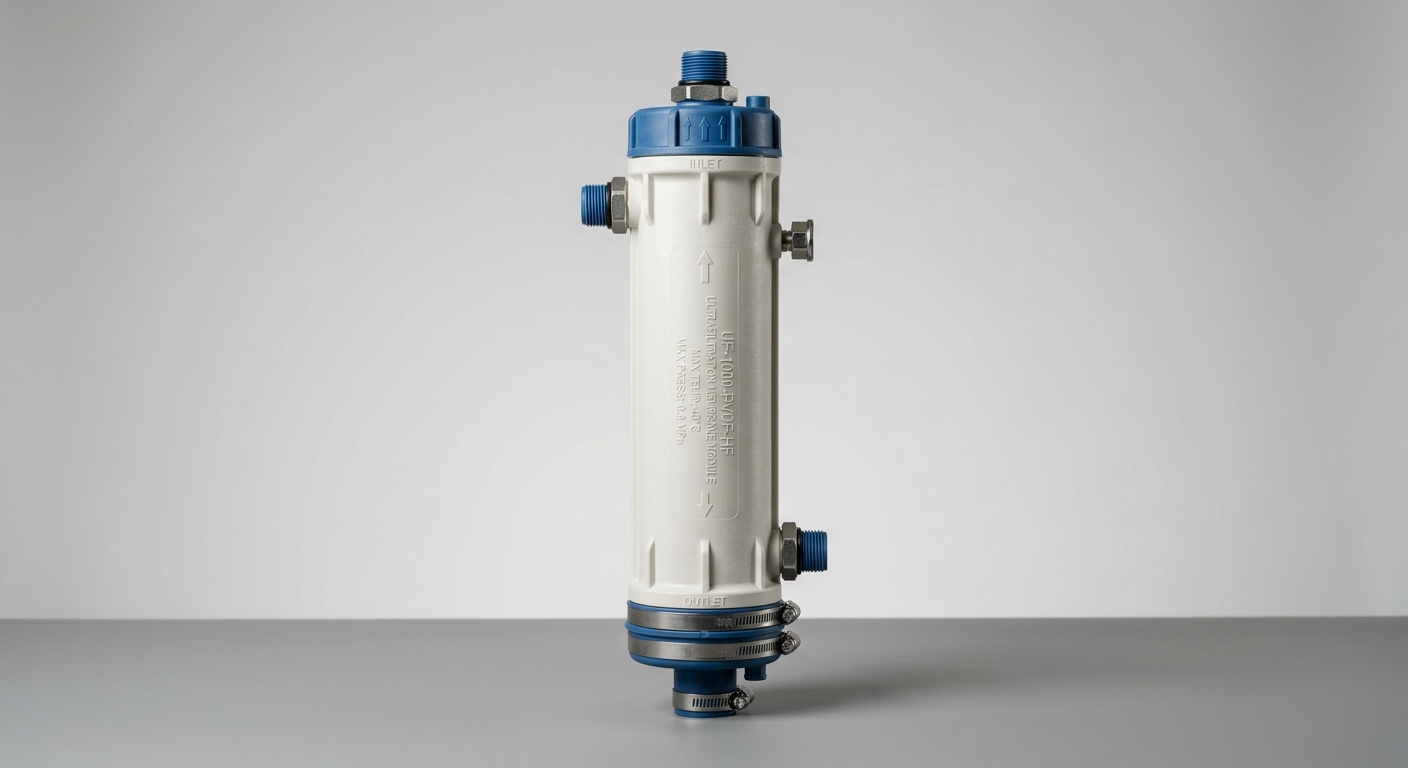
Ultrafiltration membranes operate through pressure-driven physical separation across a semi-permeable barrier with a pore size range of 0.01 to 0.1 micrometers (μm). Feed water is pushed through the membrane under transmembrane pressure (TMP) typically between 0.1 and 0.5 MPa. Contaminants larger than the membrane pore size are physically retained on the feed side and concentrated for separate disposal or further treatment.
This mechanism makes UF membranes highly effective at removing:
- Suspended solids and turbidity (>0.1 μm particles)
- Bacteria and protozoa (size range: 0.2–10 μm)
- Colloidal matter including silica, iron hydroxides, and clay
- Macromolecular organics such as proteins, polysaccharides, and humic substances
- Emulsified oils when used with appropriate pre-conditioning
Critically, ultrafiltration membranes do not remove dissolved salts, small organic molecules, or heavy metal ions in ionic form — a distinction that defines where UF fits within a broader treatment architecture.
UF Membrane vs. Other Filtration Technologies
Understanding Ultrafiltration Membrane’s position in the membrane spectrum is essential for correct system design. The table below compares UF against adjacent technologies:
| Membrane Type | Pore Size | Bedrijfsdruk | MWCO | Primary Removal Targets | Typical Application |
|---|---|---|---|---|---|
| Microfiltratie (MF) | 0.1–10 μm | 0.05–0.2 MPa | >200,000 Da | TSS, bacteria, large colloids | Pre-treatment, clarification |
| Ultrafiltratie (UF) | 0.01–0.1 μm | 0.1–0.5 MPa | 1,000–200,000 Da | Bacteria, colloids, macromolecules | Wastewater reuse, RO pre-treatment |
| Nanofiltratie (NF) | 0.001–0.01 μm | 0.5–1.5 MPa | 200–1,000 Da | Divalent ions, small organics | Softening, color removal |
| Reverse Osmosis (RO) | <0.001 μm | 1.5–8 MPa | <200 Da | Dissolved salts, all ions | Desalination, ultra-pure water |
UF occupies a strategically valuable position: it delivers effluent quality far superior to MF while operating at significantly lower energy and capital cost than NF or RO. In multi-stage treatment trains, UF commonly serves as the RO pre-treatment barrier, protecting downstream membranes from fouling and extending their service life by 30–50%.
Key Specifications and Material Selection for Industrial Applications
Critical Performance Parameters Buyers Must Evaluate
Selecting an ultrafiltration membrane module requires evaluating several interdependent performance parameters:
- Flux (L/m²/h): The volume of permeate passing through a unit membrane area per hour. Industrial UF systems typically operate at 20–80 LMH depending on feed water quality. Higher flux reduces required membrane area but accelerates fouling.
- Rejection Rate (%): The percentage of target contaminants retained. High-quality UF membranes achieve >99.9% bacterial rejection and >95% colloidal rejection under standard test conditions.
- Transmembrane Pressure (TMP): Operating TMP should remain stable during a filtration cycle. A rising TMP trend signals fouling and triggers backwash or chemical cleaning protocols.
- Membrane Material: This is arguably the most consequential selection variable for industrial applications:
| Material | Chemical Resistance | Hydrophilicity | Thermal Limit | Best Fit |
|---|---|---|---|---|
| PVDF | Excellent (acids, alkalis, oxidants) | Moderate (can be modified) | 60–80°C | General industrial, chemical wastewater |
| PES | Good (moderate pH range) | Hoog | 50–70°C | Food processing, pharmaceutical |
| PP | Good (broad pH) | Low (hydrophobic) | 80–100°C | High-temperature streams |
PVDF (polyvinylidene fluoride) dominates industrial wastewater applications due to its superior resistance to chlorine-based cleaning agents and its mechanical robustness under cyclic pressure loading.
Module Configuration — Hollow Fiber vs. Tubular vs. Flat Sheet
The physical configuration of the membrane module determines packing density, fouling tolerance, and maintenance cost:
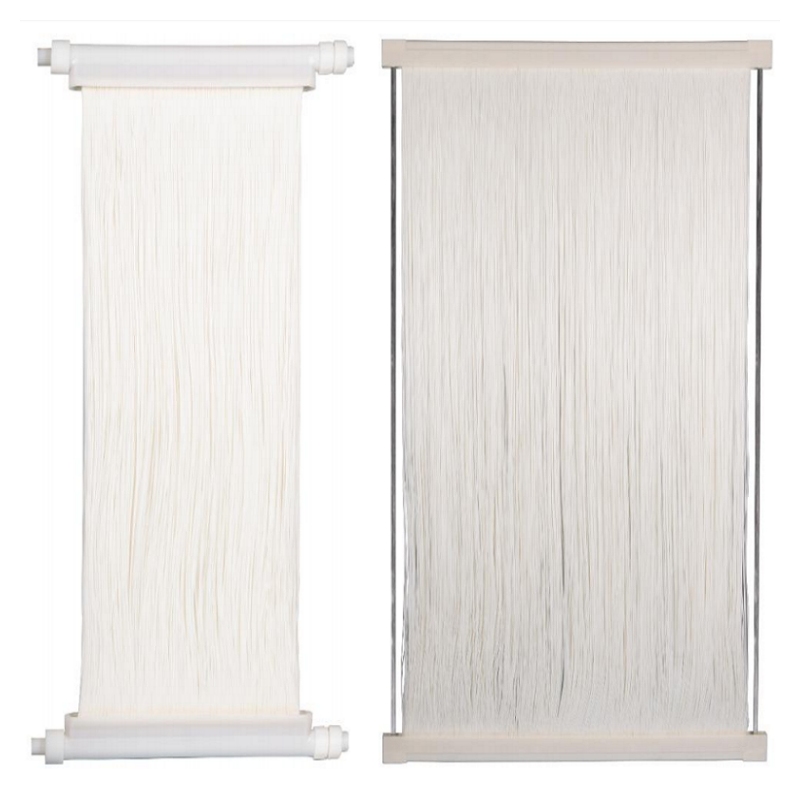
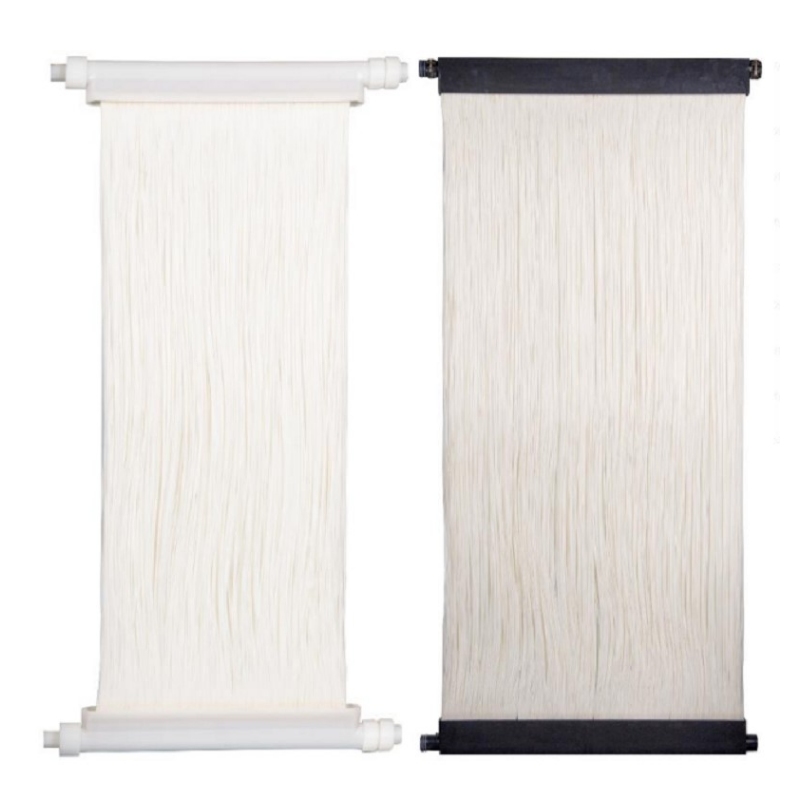
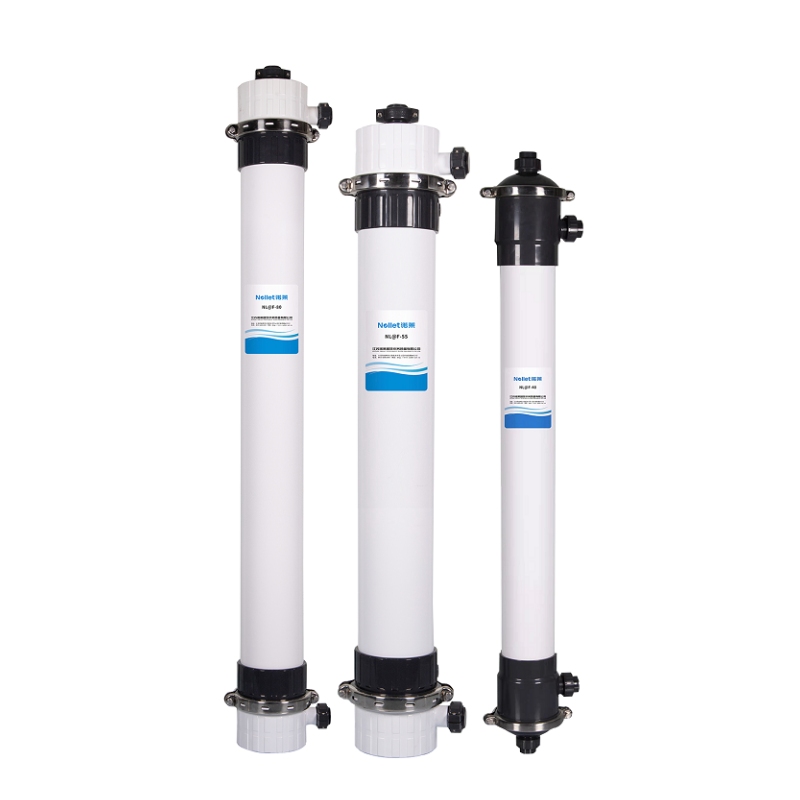
- Hollow Fiber: Highest packing density (300–600 m²/m³), lowest footprint, cost-effective. Best suited for relatively clean feed water (SDI < 5). Dominant in municipal and light industrial applications.
- Tubular: Low packing density, but tolerates high-solids feed water (TSS up to 10,000 mg/L) without frequent clogging. Preferred for textile dye effluent, paper mill wastewater, and food processing streams.
- Flat Sheet: Moderate packing density, easy membrane replacement, commonly used in membrane bioreactors (MBRs). Higher per-unit cost but excellent for biological treatment integration.
Compliance Standards and Wastewater Reuse Regulations
International and Regional Discharge/Reuse Standards
Regulatory compliance is a non-negotiable driver for UF adoption. Key frameworks include:
- ISO 20468 (Water reuse risk assessment): Provides a tiered framework for evaluating microbial and chemical risk in reclaimed water. UF permeate typically satisfies Tier 2 and Tier 3 reuse categories.
- EU Water Framework Directive (2000/60/EC) & EU Regulation 2020/741: Mandates treated wastewater reuse for agricultural irrigation with defined minimum quality thresholds. UF alone meets Class C and D requirements; UF + disinfection meets Class A.
- China GB 18918-2002 / GB/T 19923-2005: China’s municipal wastewater and industrial reuse standards. UF permeate consistently meets Grade A effluent requirements (turbidity <1 NTU, coliform <3 CFU/100mL).
Ultrafiltration membrane systems routinely achieve permeate turbidity below 0.2 NTU and complete bacterial removal, positioning them as a reliable compliance tool across jurisdictions.
How UF Membrane Systems Support ESG and Audit Requirements
Beyond regulatory compliance, ultrafiltration membrane systems generate quantifiable ESG metrics that satisfy corporate sustainability audits and supply chain due diligence requirements:
- Water reuse rate: Well-designed UF systems achieve 85–95% water recovery from feed streams, directly reducing freshwater intake volumes reported in environmental disclosures.
- Carbon footprint reduction: Replacing freshwater intake with recycled UF permeate reduces energy-intensive water extraction and transport. Studies indicate 0.3–0.8 kg CO₂e saved per m³ of water recycled.
- Third-party certification: NSF/ANSI 61 certification for membrane materials confirms product safety for water contact applications and is increasingly required by multinational buyers conducting supplier audits.
Industrial Application Scenarios and ROI Analysis
Proven Use Cases Across Key Industries
UF membrane systems have demonstrated consistent performance across high-volume industrial wastewater streams:
- Textile: Effluent contains reactive dyes, surfactants, and high COD loads. UF removes colloidal dye particles and suspended solids, enabling color recovery and process water reuse. Tubular or PVDF hollow fiber modules are standard.
- Electronics/Semiconductor: Rinse water contains heavy metal complexes and ultra-fine particulates. UF pre-treatment protects downstream ion exchange or RO systems, maintaining ultra-pure water standards.
- Food & Beverage: Wastewater contains fats, proteins, and biological oxygen demand (BOD). PES flat-sheet modules in MBR configurations deliver reuse-grade effluent meeting food-grade sanitation requirements.
- Chemical Manufacturing: High-variability feed chemistry demands PVDF membranes with broad pH tolerance (2–12). UF removes emulsified oils and suspended catalyst particles before biological or advanced oxidation treatment.
Cost-Benefit Framework for Factory Decision Makers
A structured financial evaluation should compare CAPEX, OPEX, and avoided costs:
| Cost Category | Typical Range | Notes |
|---|---|---|
| CAPEX (system installation) | $150–$400/m³ daily capacity | Varies by module type and automation level |
| OPEX (energy) | $0.05–0.15/m³ permeate | Lower than RO by 60–70% |
| Membrane replacement | Every 5–10 years | PVDF modules in clean service |
| Chemical cleaning | $0.02–0.05/m³ | CIP cycles with citric acid/NaOCl |
| Avoided freshwater cost | $0.5–3.0/m³ | Region-dependent |
| Avoided discharge penalties | Variable | Can exceed $50,000/year in high-risk jurisdictions |
For a mid-size factory treating 500 m³/day, a UF system typically achieves payback within 2–4 years when freshwater costs exceed $1.0/m³ and discharge fees are factored in. In water-stressed regions or under strict regulatory regimes, payback periods compress to 12–18 months.
Veelgestelde vragen
Q1: What effluent quality can an ultrafiltration membrane system realistically achieve for industrial wastewater reuse?
UF membrane permeate typically achieves turbidity <0.2 NTU, TSS <1 mg/L, complete removal of bacteria (>6-log reduction), and >95% colloidal removal. This quality is suitable for process water reuse, cooling tower makeup, and irrigation. For boiler feedwater or ultra-pure applications, UF should be followed by RO or ion exchange.
Q2: How do I determine whether ultrafiltration membrane alone is sufficient, or if a combined RO/UF system is required?
The decision depends on dissolved contaminant load. If your effluent contains significant dissolved salts (TDS >500 mg/L), heavy metals in ionic form, or small organic molecules (MW <1,000 Da), UF alone will not achieve required removal. Conduct a feed water analysis including TDS, conductivity, TOC, and target reuse application requirements before finalizing system design.
Q3: What are the typical maintenance cycles and replacement costs for industrial UF membrane modules?
Standard maintenance includes daily automated backwash (30–60 seconds), weekly enhanced backwash with air scouring, and monthly chemical cleaning (CIP). Under normal operating conditions with PVDF hollow fiber modules, membrane lifespan is 5–10 years. Module replacement costs range from $15–$50/m² of membrane area, depending on configuration and supplier.
Conclusie
Ultrafiltration membrane technology has moved from a niche water treatment tool to a mainstream industrial water management solution. Its ability to deliver consistent, reusable-grade effluent from complex industrial wastewater streams — at energy costs far below alternative membrane technologies — makes it a technically sound and commercially compelling investment.
The dual pressures of tightening discharge regulations and rising freshwater costs are not temporary. Factories that implement UF-based wastewater reuse systems today are building structural cost advantages while simultaneously de-risking their compliance exposure. For procurement engineers and facility managers evaluating water treatment upgrades, the question is no longer whether UF membrane technology delivers value — the operational data across textiles, electronics, food processing, and chemical sectors confirms it does. The strategic question is how to configure the right system for your specific feed water chemistry and reuse targets.
Engaging a qualified UF membrane supplier with documented industrial references, traceable material certifications, and post-installation technical support is the critical next step toward converting your wastewater discharge into a recoverable resource.