
Wprowadzenie
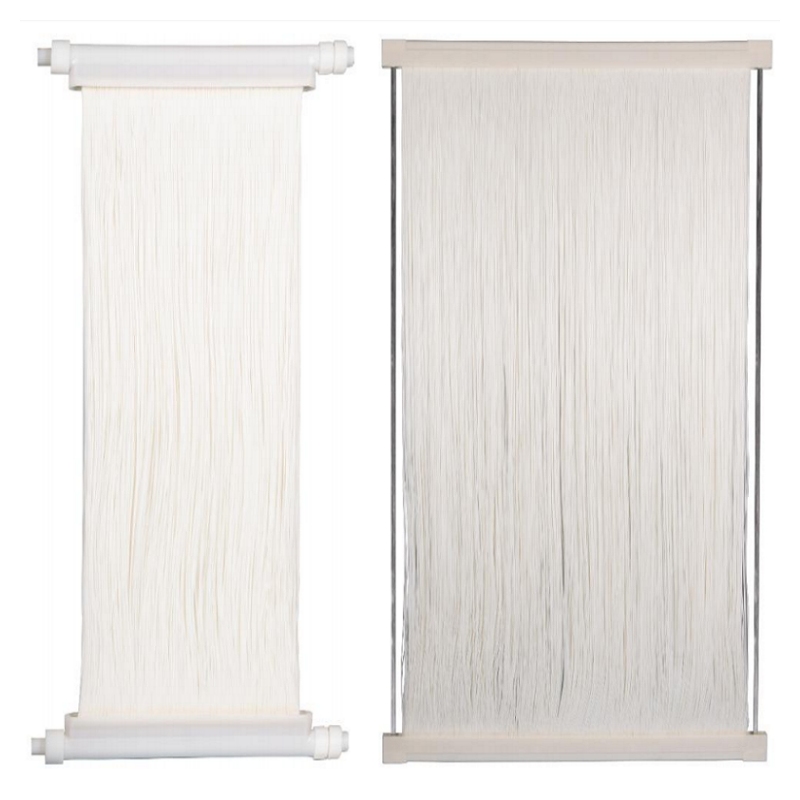
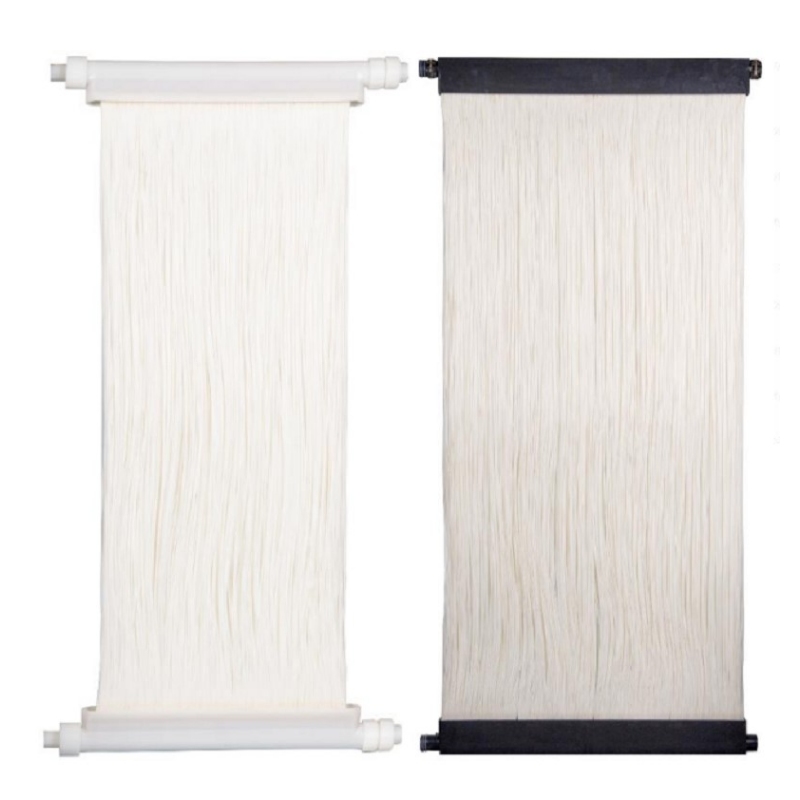
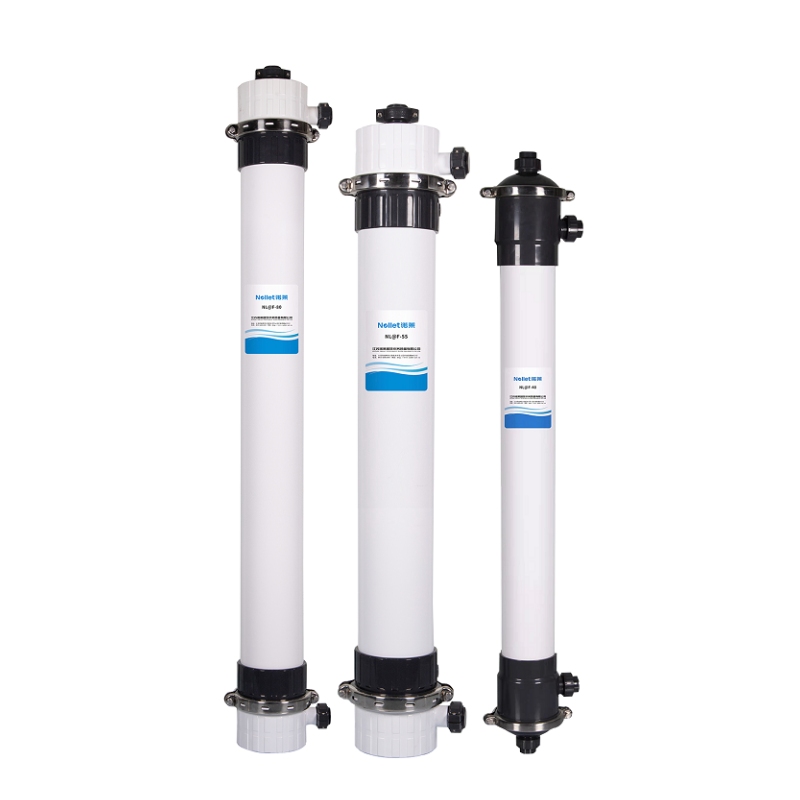
You’ve installed a hollow fiber membrane system for water treatment. At first, everything looks stable—flow rates are steady, and effluent quality meets requirements. Then something changes. Permeate turbidity begins to rise, pressure behavior shifts, and your team traces the issue back to a familiar cause: a broken fiber inside the moduł membranowy zewnętrzny-wewnętrzny.
Fiber breakage is one of the most costly and disruptive failures in membrane filtration. Even a single damaged fiber can compromise module integrity, allowing untreated feed water to bypass the membrane and enter the permeate stream. Industry reports suggest that around 15–20% of hollow fiber membrane system failures are linked to fiber breakage.
This raises a practical question: is your outside-in membrane module truly designed to resist fiber failure—and what can you do to extend its operational stability over time?
What Makes Outside-in Membrane Module Vulnerable to Fiber Breaks?
To prevent fiber failure, it’s first necessary to understand where it comes from. In an outside-in membrane module, feed water flows along the outside of hollow fibers, while permeate is collected from the fiber lumen. This design improves turbidity tolerance and reduces pretreatment needs, but also exposes fibers to continuous mechanical and chemical stress.
Main Failure Mechanisms
Research, including studies from the UNESCO Centre for Membrane Science and Technology, generally classifies fiber failure into three types: mechanical stress (air scouring or pressure load), chemical degradation, and structural design defects. In real systems, these factors often interact and accelerate each other.
Mechanical Stress in Operation
In an outside-in membrane module, fibers are constantly subjected to external pressure during filtration. When transmembrane pressure rises too high, fibers may deform or collapse.
A 2026 study in ACS Applied Engineering Materials shows that fiber failure is often dominated by plastic deformation, with burst pressure closely linked to collapse resistance. This means burst pressure is a key indicator of mechanical strength.
Because membranes undergo repeated cycles of filtration, backwashing, and air scouring, stress accumulates over time. For this reason, both burst pressure and collapse pressure ratings are critical when evaluating an outside-in membrane module for long-term durability.
Chemical Degradation
Chemical cleaning agents such as sodium hypochlorite can gradually damage polymer chains, reducing flexibility and tensile strength. Over time, this weakens the fiber structure.
PVDF membranes, commonly used in high-quality outside-in membrane module designs like Nollet Filter’s, offer strong resistance to oxidation and chlorine exposure. This makes them more suitable for aggressive cleaning conditions and longer service life.
Structural Design Weak Points
Beyond materials and operation, structural design also affects fiber durability. Uneven fiber packing, weak potting, or poor support can create localized stress points that lead to early failure.
Research by Childress et al. (Desalination) shows that membrane symmetry and fiber arrangement can be more important than potting technique alone. Stress often concentrates at the transition between the potted end and the free fiber region.
Even strong fibers may fail early if the outside-in membrane module design does not properly distribute mechanical stress.
How Outside-in Membrane Module Design Prevents Fiber Breaks
A well-designed outside-in membrane module does more than filter water—it actively reduces the mechanical and chemical stresses that lead to fiber failure. Understanding these design elements helps evaluate whether a module is suitable for long-term operation.
High-Strength Fiber Materials
Fiber durability starts at the material level. High-quality outside-in membrane module designs, such as those from Nollet Filter, typically use PVDF hydrophilic membranes due to their strong chemical stability, abrasion resistance, and mechanical strength.
Key parameters like tensile strength and elongation at break are important indicators of how well fibers can withstand backwashing and cyclic loading. In addition, fiber geometry also matters. Asymmetric fiber structures generally provide better mechanical strength and stability compared to symmetric designs, making them more suitable for demanding operating conditions.
Protective Potting Design
One of the most common failure points in any outside-in membrane module is the fiber–potting interface. Stress tends to concentrate at this junction, especially during backwashing and air scouring.
To reduce this risk, advanced designs use a soft or flexible potting layer at the fiber root. This acts as a buffer, absorbing mechanical stress and preventing brittle fracture. In practice, the transition zone between fiber bundle and end cap is a key indicator of design quality—smooth, gradual transitions usually reflect better stress management.
Uniform Fiber Packing
Uneven fiber distribution inside an outside-in membrane module can lead to localized high flow, uneven fouling, and increased mechanical stress, all of which raise the risk of fiber breakage.
High-quality modules address this by ensuring uniform fiber spacing or using structured sub-bundles to balance flow distribution. This helps maintain consistent hydraulic conditions across the membrane surface and reduces localized stress points that can weaken fibers over time.
Inside-Out vs. Outside-in Membrane Module: Which Is More Resistant to Fiber Breaks?
The choice between inside-out and outside-in membrane module configurations has significant implications for fiber break resistance. Here’s how they compare:
| Factor | Moduł membranowy zewnętrzny | Moduł membranowy wewnętrzny-wyewnętrzny |
|---|---|---|
| Fiber Stress Direction | External pressure compresses fibers; collapse is the primary failure mode | Internal pressure expands fibers; burst is the primary failure mode |
| Turbidity Tolerance | Can handle higher feed turbidity (≤100 NTU) with minimal pretreatment | Lower turbidity tolerance; requires more extensive pretreatment |
| Fiber Break Risk from Solids | Lower risk; solids remain on the fiber exterior | Higher risk; suspended solids can abrade fiber lumens |
| Air Scouring Impact | Air bubbles can cause fiber abrasion and fatigue | Air scouring less commonly used; lower mechanical stress |
| Cleaning Effectiveness | Gas-water backwashing effectively removes foulants | Backwashing may be less effective for certain foulant types |
| Fiber Break Detection | Broken fibers can be detected via bubble testing | Similar detection methods apply |
| Typical Application | Surface water, wastewater with high turbidity | Clean groundwater, low-turbidity feed |
Research has shown that flow pattern (inside-out versus outside-in) is one of the key factors investigated in understanding hollow fiber integrity. While both configurations have their place, an outside-in membrane module offers distinct advantages for applications with high turbidity feed water, where the risk of fiber clogging and mechanical damage from suspended solids is significant. If your feed contains particles larger than the fiber lumen diameter, an outside-in membrane module is generally the safer choice to avoid luminal abrasion.
How to Identify Fiber Breaks in Your Outside-in Membrane Module
Early detection of fiber breakage is essential to prevent permeate contamination and avoid costly system downtime. The following indicators can help determine whether your outside-in membrane module has suffered fiber failure.
Rising Permeate Turbidity
The most direct sign of a broken fiber is an increase in permeate turbidity. When a fiber is damaged, untreated feed water can bypass the membrane barrier and enter the permeate stream.
Under normal operation, a well-performing outside-in membrane module should maintain turbidity below 0.1 NTU. Any sustained increase beyond this range should be treated as a potential integrity issue and investigated promptly.
Increased Pressure Drop
Fiber breakage can also affect the hydraulic behavior of the system. An abnormal rise in pressure drop across the outside-in membrane module—especially when flow remains constant—may indicate internal blockage or fiber debris accumulation.
In many cases, broken fiber fragments or uneven flow distribution can restrict channels and increase resistance, making pressure behavior an important secondary diagnostic signal.
Bubble Testing
Bubble testing remains one of the most reliable methods for detecting fiber integrity issues. In this method, gas is introduced under pressure while fiber ends are wetted, and bubble formation is observed.
If bubbles appear, it indicates gas leakage through a damaged fiber wall. This test is particularly effective for outside-in membrane module systems, as pressure is applied externally, making any breach easier to detect.
Optical Fiber Sensors
Recent developments in sensor technology have enabled more advanced, non-destructive monitoring methods. Fiber optic sensors, including FBG-based pressure systems, can be integrated into membrane housings to detect abnormal conditions in real time.
Although still emerging in industrial adoption, these systems offer the potential for continuous monitoring of outside-in membrane module integrity, reducing reliance on periodic offline testing.
Best Practices for Preventing Fiber Breaks in Your Outside-in Membrane Module
Preventing fiber damage is always more cost-effective than repairing failures. The following operational practices help extend the service life of your outside-in membrane module.
Control Operating Pressure
Maintaining operation within the design pressure range is critical. Typical operating pressure is 0.1–0.3 MPa, while backwashing pressure should generally not exceed 0.25 MPa.
Excess pressure can lead to fiber deformation or collapse. Pressure gauges and relief devices should always be installed to protect the outside-in membrane module from accidental overloading.
Optimize Backwashing Parameters
Backwashing is necessary for performance stability, but excessive intensity can accelerate fiber fatigue.
Recommended cycles are typically 20–60 minutes of filtration followed by 2–3 minutes of backwashing. Keeping backwash pressure within limits helps reduce mechanical stress and extend the service life of the outside-in membrane module.
Manage Air Scouring
Air scouring improves cleaning efficiency but can also introduce mechanical wear if not properly controlled.
Aeration pressure should remain within recommended limits (generally ≤0.15 MPa), with uniform air distribution across the module. Uneven or excessive airflow may increase localized stress on fibers inside the outside-in membrane module.
Protect Against Chemical Attack
Cleaning chemicals should always be used within recommended concentrations and exposure times. While PVDF membranes have strong chemical resistance, prolonged or excessive exposure to oxidants can still degrade polymer structure over time.
A balanced cleaning strategy—alternating alkaline and acid washes while avoiding over-oxidation—helps maintain long-term stability of the outside-in membrane module.
Monitor Feed Water Quality
Proper pretreatment is essential to prevent mechanical damage. Suspended solids, sharp particles, and fibrous materials can physically damage hollow fibers.
A pre-filtration stage (typically 100–200 µm screen or cartridge filter) is recommended. For high-silt or sandy water, a hydrocyclone can further protect the outside-in membrane module from abrasion.
Inspect Regularly
Routine inspection is key to early fault detection. Operators should track key parameters such as pressure, flow rate, and permeate quality.
Maintaining a monthly operational log for the outside-in membrane module helps identify gradual performance decline before it develops into full-scale fiber failure.
Real-World Case: The Cost of Ignoring Fiber Integrity
Consider the experience of a power plant that operated an ultrafiltration system with an outside-in membrane module for four years. The system’s rated capacity was 2464 tons per hour, and the membranes were made of modified polyethersulfone (PES) with a surface area of 60 square meters per module.
After four years of operation, the effluent turbidity increased, and the SDI value exceeded the reverse osmosis system’s feed requirements. Inspection revealed severe fiber breakage. The consequences were costly: frequent replacement of RO cartridge filters, reduced RO system production capacity per cycle, and increased chemical cleaning frequency. The plant ultimately had to replace all modules at a significant capital cost, along with several days of downtime.
This case illustrates a critical point: fiber breakage in an outside-in membrane module doesn’t just affect the UF system—it cascades through the entire treatment train, increasing operating costs and reducing overall system reliability. A proactive integrity management program, including regular bubble testing and performance monitoring, could have detected the early signs of fatigue and allowed for planned replacement rather than emergency response.
Why Choose Nollet Filter’s Outside-in Membrane Module?
When fiber break resistance is a priority, the quality of your outside-in membrane module matters enormously. Nollet Filter’s outside-in membrane module offers several features that enhance durability and reduce breakage risk:
PVDF Hydrophilic Membranes – Chemical stability, pollution resistance, and long service life. PVDF’s tensile strength exceeds 5 MPa, and its elongation at break is greater than 100%, providing excellent toughness against mechanical fatigue.
High Flux and Low Filtration Resistance – The membrane structure ensures efficient operation with lower transmembrane pressure, reducing the mechanical stress on fibers during normal filtration. This means your outside-in membrane module spends less time under high-pressure conditions, reducing cumulative fatigue.
Strong Mechanical Strength – The fiber wall thickness and uniformity are optimized to withstand the rigors of backwashing and air scouring. The module is designed with a soft potting layer to protect the fiber roots, minimizing stress concentration at the most vulnerable point.
Anti-Pollution Surface – The hydrophilic surface reduces fouling, which means fewer chemical cleaning cycles and less chemical exposure. Over the lifetime of an outside-in membrane module, fewer cleanings translate directly into lower chemical degradation and reduced breakage risk.
Automatic Control – Nollet’s modules can be integrated with PLC control systems that monitor pressure, flow, and turbidity in real-time, alerting operators to potential issues before they cause fiber failure. This smart monitoring ensures your outside-in membrane module operates within safe parameters at all times.
Proven Applications – These modules are widely used in power plants, municipal water treatment, chemical plants, and semiconductor manufacturing, where reliability is non-negotiable. Across these diverse fields, the outside-in membrane module from Nollet has demonstrated consistent resistance to fiber breakage over multi-year operation cycles.
Summary of Best Practices for Your Outside-in Membrane Module
To keep your outside-in membrane module operating reliably and free from fiber breaks, follow this checklist:
-
Monitor permeate turbidity daily; act if it rises above 0.1 NTU.
-
Control operating pressure – never exceed 0.3 MPa.
-
Optimize backwashing frequency and intensity per manufacturer guidelines.
-
Manage air scouring pressure to avoid fiber abrasion.
-
Test integrity using bubble testing every 3–6 months.
-
Inspect feed water quality and ensure pre-filtration is adequate.
-
Log all operational data and review trends monthly.
Conclusion: Fiber Break Resistance Starts with Quality and Care
Your outside-in membrane module is the core of your ultrafiltration system. Once fiber breaks occur, permeate quality drops, downstream equipment is exposed to risk, and operating costs rise. The key point is that fiber failure is not random—it is the result of mechanical, chemical, and structural stress that can be controlled with proper design and operation.
By choosing a high-quality outside-in membrane module from a reliable manufacturer like Nollet Filter and maintaining sound operating practices, you can significantly extend service life and maintain stable performance.
If your current system is showing rising turbidity, unstable pressure drop, or recurring integrity issues, it may be time to review your setup or consider an upgrade. Nollet Filter offers durable outside-in membrane module solutions with PVDF membranes, optimized potting design, and strong mechanical stability, and can help match configurations to your specific feed water conditions.