Every day, millions of people turn on their taps without a second thought. But the clean water that flows out has traveled a long and complex journey—one that involves advanced filtration, precise chemistry, and rigorous safety checks.
From rivers and reservoirs to kitchen faucets, the transformation of a single drop of water is nothing short of remarkable. Here is how it happens, step by step.
Stage 1: Where It All Begins – Raw Water Intake
The journey starts at a water source—a river, lake, or reservoir. Large pumps push raw water into treatment plants. In China, surface water is the primary source, and authorities monitor water quality in real time at designated stations nationwide.
Stage 2: Coagulation – Making Impurities Stick Together
Once inside the plant, the water enters mixing tanks. A chemical coagulant—commonly polyaluminum chloride—is added. It causes tiny particles like silt, algae, and clay to clump together into larger, heavier flakes called flocs.
These flocs then settle to the bottom of large sedimentation tanks, leaving clearer water above. This single step removes more than 80 percent of suspended solids and some organic material.
Stage 3: The Core Technology – Ultrafiltration Membranes
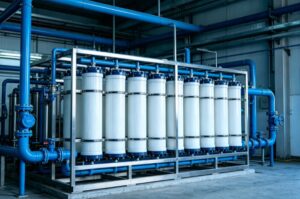
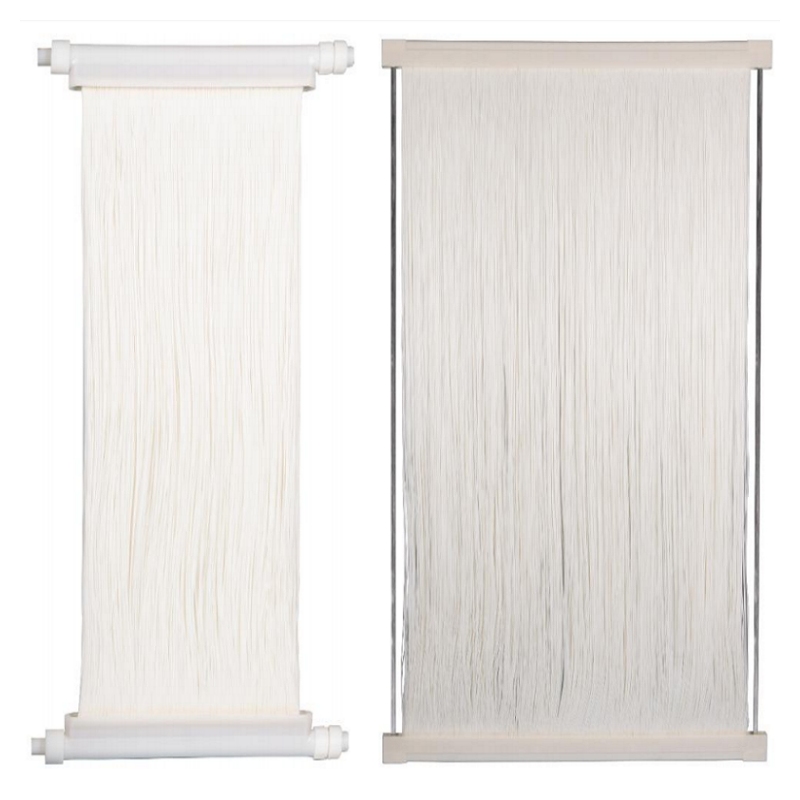
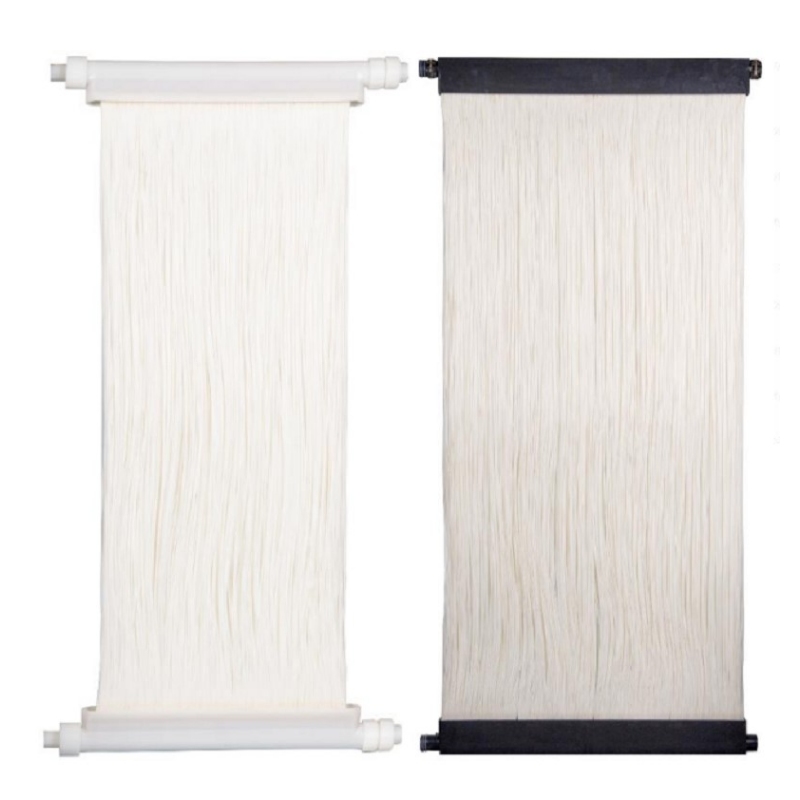
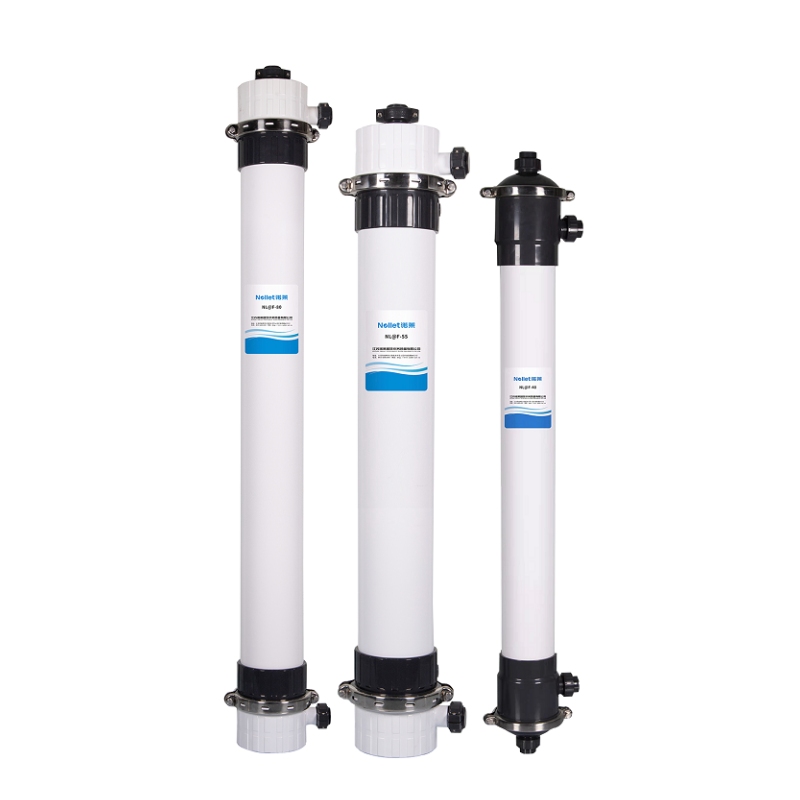
The next stage is where modern water treatment truly shines: ultrafiltration, or UF.
UF membranes act as super-fine physical barriers. Their pores are just 0.01 to 0.1 microns wide—about one-thousandth the diameter of a human hair. Because bacteria are typically 5 to 50 times larger than these pores, they are completely blocked. Viruses are also removed with over 99.99 percent efficiency.
But the benefits don’t stop there. UF membranes also lower water turbidity to below 0.1 NTU—far stricter than China’s national standard of 1 NTU. They trap large organic molecules such as proteins and humic acids.
Moreover, UF systems run automatically, with self-cleaning backwash cycles. A well-maintained membrane can last five to eight years. Compared to older sand filtration methods, UF uses fewer chemicals, takes up less space, and delivers more consistent quality. In desalination plants, UF often serves as a pre-treatment step to protect more sensitive reverse osmosis membranes.
Stage 4: Disinfection – The Final Safety Lock
Even after filtration, the water is not ready to leave the plant. Disinfection provides the final safeguard.
Most Chinese water plants rely on chlorination, which leaves a trace amount of residual chlorine in the water. This residual protects against microbial regrowth during the water’s long journey through underground pipes. Some plants also use ozone or ultraviolet light, though UV cannot provide lasting protection in the distribution network.
The slight “chlorine smell” sometimes noticed in tap water is harmless and fades quickly if the water is boiled or left to stand.
The Last Mile: Into Homes and Buildings
Once treated and disinfected, the water enters a vast underground pipe network—long enough in total to circle the Earth several times. It travels to residential buildings, schools, and offices, finally emerging when someone turns on a tap.
Why Every Drop Counts
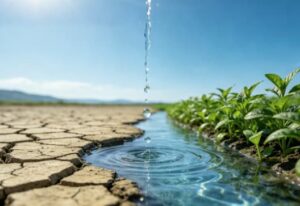
Globally, only 0.79 percent of Earth’s total water is directly usable fresh water. In China, per capita water resources are just one-quarter of the world’s average, placing the country among the most water-stressed nations.
Each drop of clean tap water represents a journey across rivers, through complex treatment systems, and sometimes across hundreds of kilometers of pipeline.
Water conservation is not merely a good habit. It is a shared responsibility—toward limited resources, future generations, and the planet.