Africa’s fast-growing population and rapid urbanization have created huge unmet needs for safe drinking water and wastewater treatment. Governments and international organizations are increasing spending on water infrastructure. Ageing water systems need urgent upgrades. A rising number of projects, including rural community water supplies, mine water treatment, and urban water reuse, is driving steady demand for complete water-treatment equipment packages.
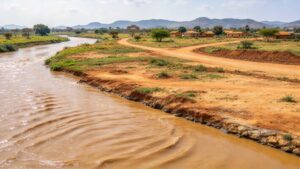
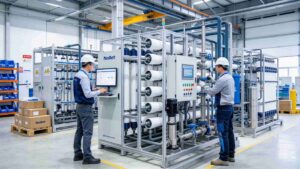
West Africa represents a particularly promising market. Lakes and rivers experience large shifts in turbidity and contain high levels of microbes. Traditional coagulation-sedimentation treatment often fails to produce reliably clean water. Ultrafiltration membranes effectively trap suspended solids, bacteria and colloids, making them well-suited to local surface-water conditions. This technology is now the go-to choice for new water plants and facility retrofits. Container-style compact water-treatment units are popular for remote villages thanks to their small footprint and quick setup, opening up major commercial opportunities for membrane technology providers.
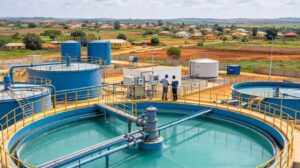
Opportunities stretch beyond municipal drinking-water projects. Water solutions for mining, oil-and-gas sites and tourism developments form another important growth segment. Many foreign investors building new African facilities select modular membrane systems to cut civil-works expenses and speed up construction timelines. Targeted water-sector financing from international development banks and regional funds further stimulates market activity.
Even so, companies face significant on-the-ground hurdles when delivering water projects across Africa:
- Unpredictable raw-water quality: Rainy seasons bring massive sediment runoff and sudden turbidity surges. High organic content in certain water sources speeds up membrane fouling. This demands highly anti-fouling membrane materials and well-designed cleaning routines.
- Weak local operation and maintenance (O&M) capacity: Many project sites sit in remote locations with few trained technical staff. Spare parts take a long time to arrive. Membranes that break easily or require frequent chemical cleaning push long-run operating costs sharply higher.
- Financial and commercial risks: Payment timelines can be lengthy, and project approval processes are complicated. Rules covering taxation, land and regulations differ widely between countries. Cross-border projects require substantial early-stage compliance work.
- Spotty power and logistics: Intermittent electricity and long-distance transport make equipment delivery timelines hard to predict. Sturdy product packaging, adequate spare-part stock and remote system monitoring are critical requirements.
Selling low-cost membranes alone will not deliver lasting success in Africa. Buyers value system dependability, low maintenance requirements, competitive total cost of ownership, plus consistent technical backing and local support from suppliers.
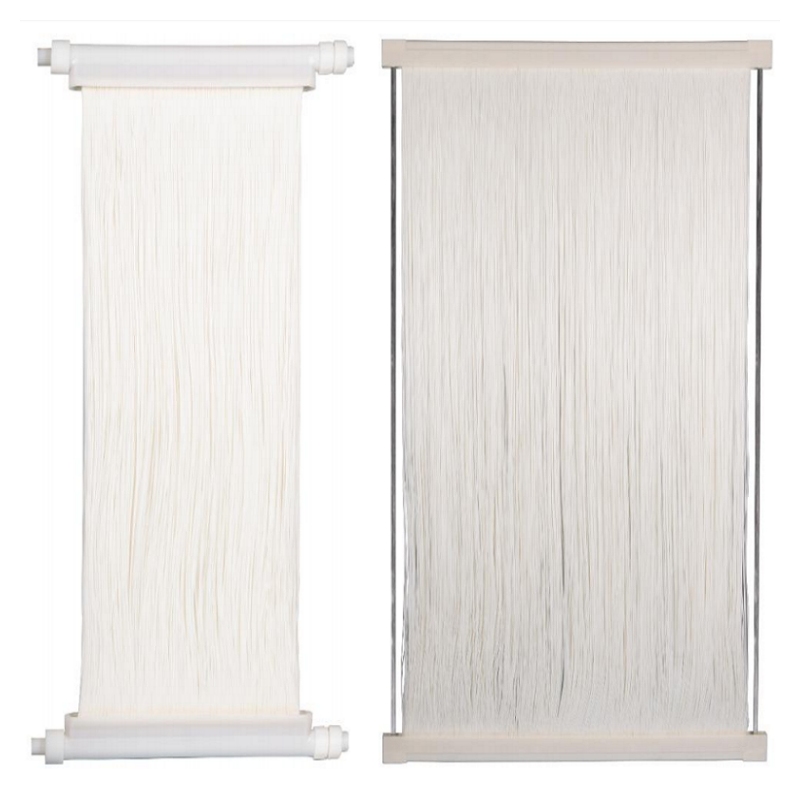
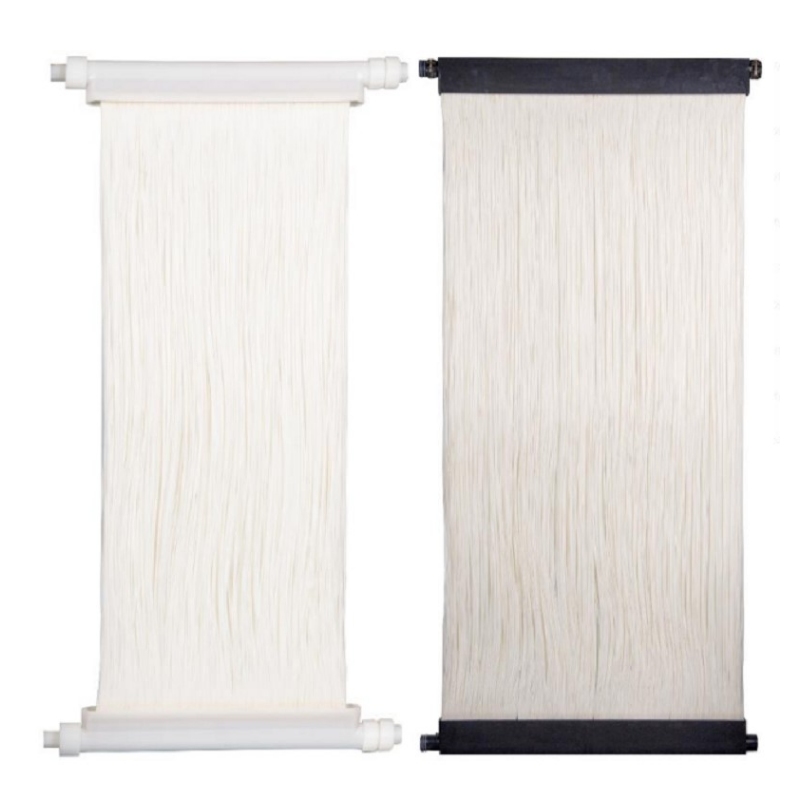
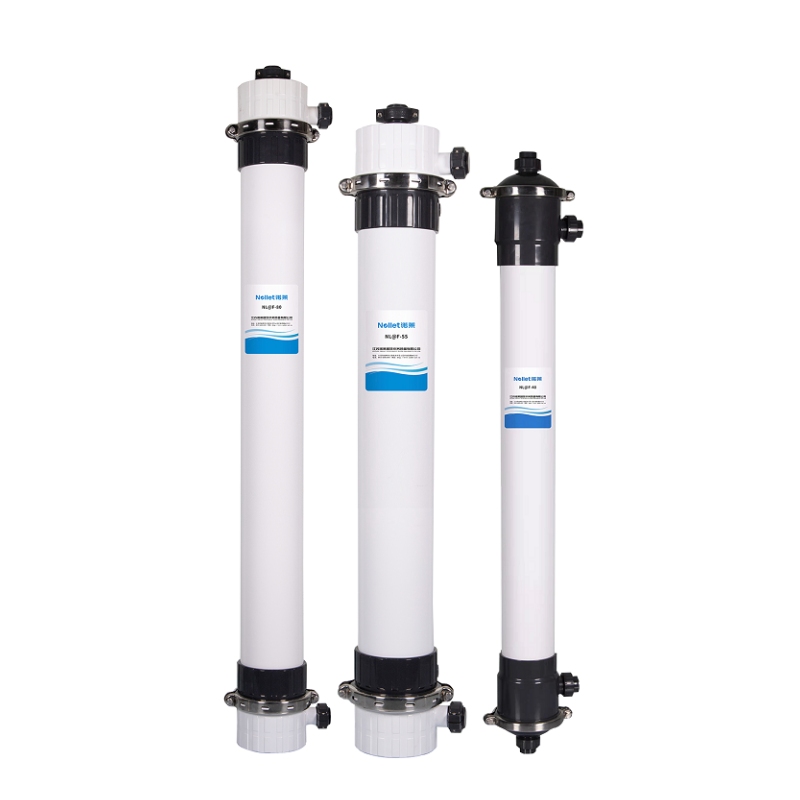
The African water-technology market is no longer just about hardware sales. Custom solution expertise defines competitive edge. Built for Africa’s tough operating environments, Nollet has engineered improved anti-fouling PVDF ultrafiltration membranes. These membranes feature stronger fibre mechanics and better hydrophilic properties. They cope with sudden high-turbidity water spikes and need fewer chemical-cleaning cycles – a practical fit for sites with limited local maintenance support. Nollet’s modular ultrafiltration systems can be assembled and commissioned rapidly. IoT-enabled remote monitoring tracks real-time membrane performance, flags fouling risks early and eases work for on-site teams.
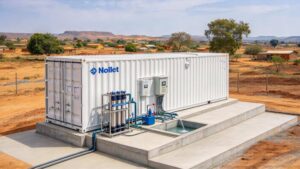
Nollet offers full-cycle project support: pre-investment water-quality assessment, process engineering, equipment manufacturing, shipment, commissioning and ongoing O&M guidance. Drawing from real-world African project experience, Nollet designs custom-fit processes for each location’s source-water characteristics instead of relying on one-size-fits-all templates, helping systems run reliably year after year.
Over the medium and long term, Africa’s fundamental demand for drinking-water infrastructure will remain strong. National safe-drinking-water initiatives will continue to expand the market for membrane-based water treatment. Market competition will also become more selective. Successful vendors must handle local water-quality challenges, supply hardy, low-maintenance systems and demonstrate proven cross-border project-delivery capabilities. Nollet will keep refining its membrane products and all-in-one water-treatment solutions tailored to African field conditions, supporting better-quality water-supply infrastructure across the continent.