
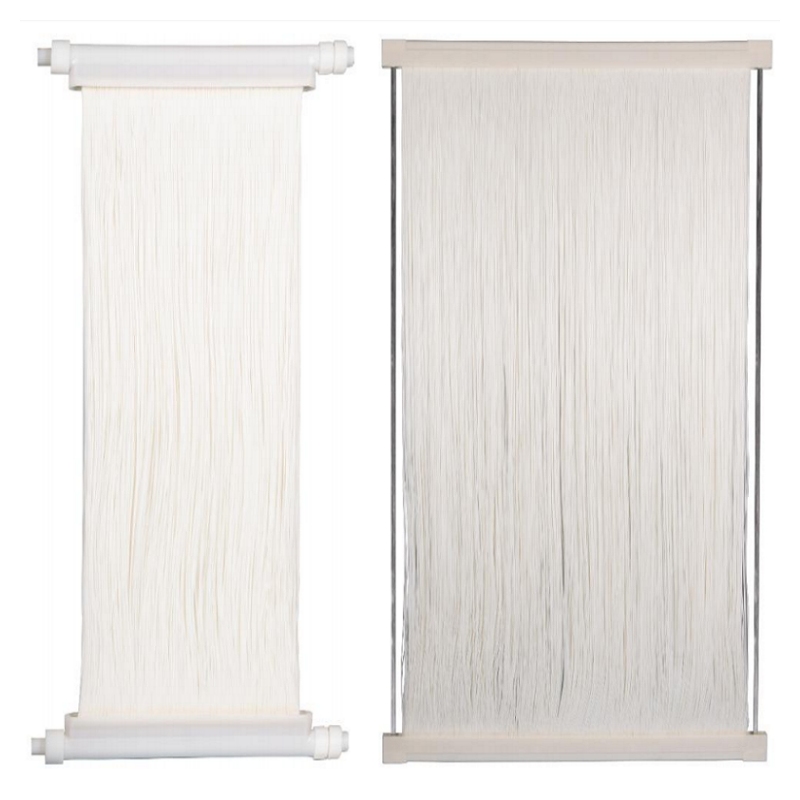
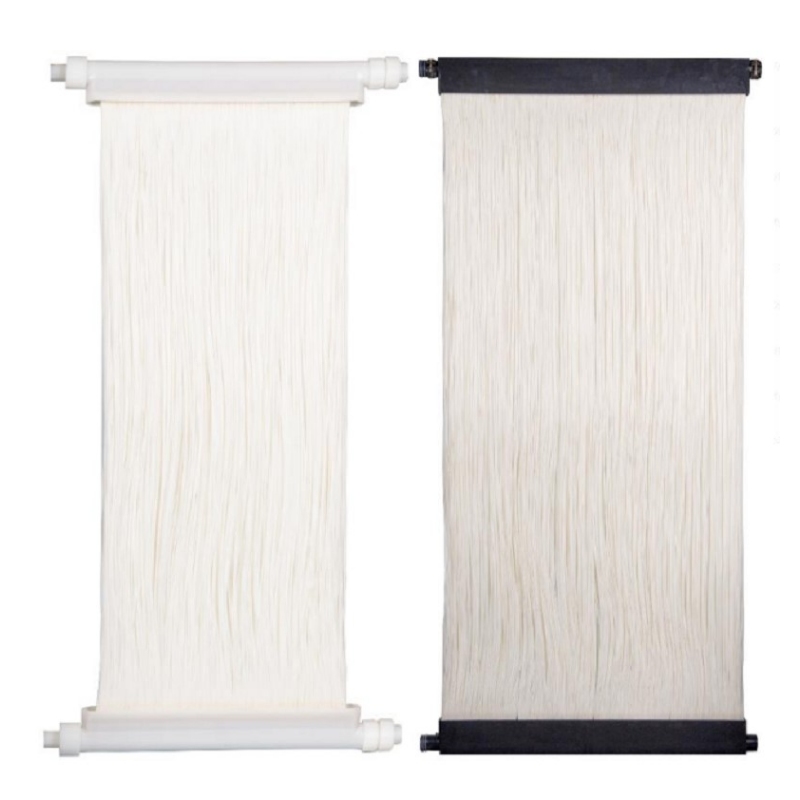
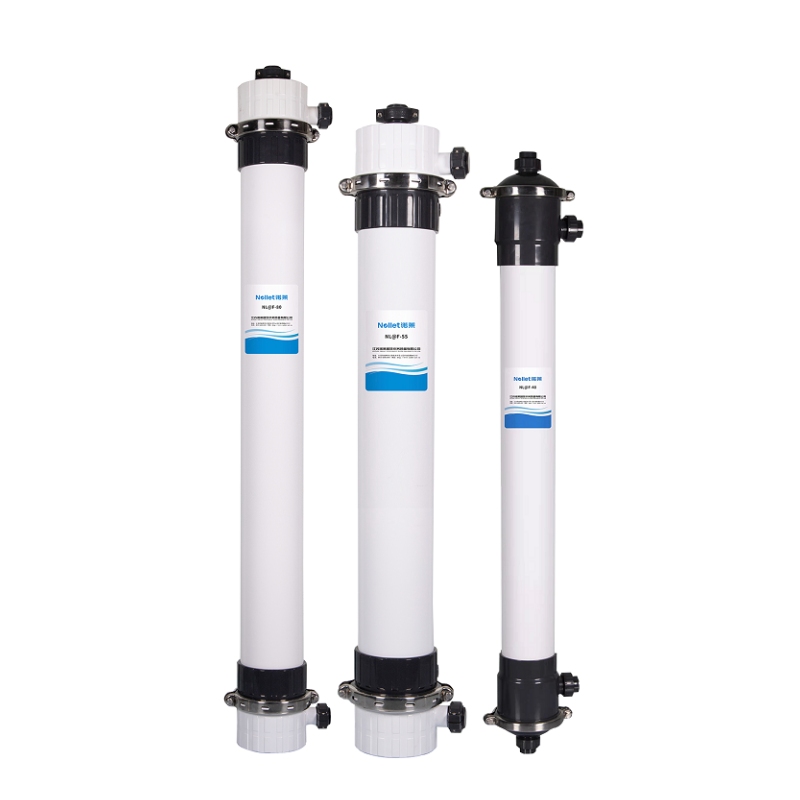
Membrane-based wastewater resource recovery technology can not only sterilize but also remove salts, truly enabling green and renewable water reuse. So, what exactly is a membrane, and what is the “magic” behind membrane technology?
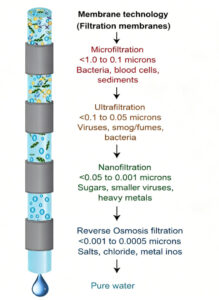
A membrane is essentially a filtering material with selective separation capabilities. Depending on the molecular weight of contaminants in water, selecting a membrane with a corresponding pore size can achieve effective retention, much like the sieves or funnels with different pore sizes we use in daily life. However, unlike traditional filtration methods, a membrane is a fine filtration medium capable of separation at the molecular level. This is primarily due to the various pores of different shapes and sizes distributed on its surface and interior. These pores range from micrometers to nanometers and even to angstroms, enabling precise separation of contaminants with different molecular weights. Separation membranes with different pore sizes have their own names, such as microfiltration (MF), ultrafiltration (UF), nanofiltration (NF), and reverse osmosis (RO) membranes. Membrane-based water treatment is a purely physical process that achieves accurate decontamination without producing byproducts – making it a truly green and environmentally friendly technology.
Today, membranes can be found everywhere – from wastewater treatment, water reuse, and seawater desalination in environmental protection, to juice concentration, dairy separation, and alcohol extraction in the food industry, to blood separation, drug delivery, and artificial organ preparation in medicine, and even to the purification and concentration of enzymes, cells, and proteins in bioengineering. Membrane technology has become inseparable from our daily lives.
In the world of water, the application of membrane technology still faces certain challenges, such as the development of functional anti-fouling membrane materials, the design of cost-effective and high-efficiency membrane modules, and the creation of low-carbon, energy-saving membrane equipment. These are precisely the areas where researchers have been continuously innovating.
Through in-house development of membrane materials and effective integration with membrane application technologies, the researchers can provide a series of integrated membrane treatment systems and comprehensive technical services tailored to different users’ raw water conditions, effluent requirements, and the needs of various membrane processes.
It is believed that with the ongoing research and development of new membrane materials and deeper exploration of membrane technologies, a technologically fascinating “membrane-based water world” is leading us toward a new chapter in water resource utilization.